Vehicles are put through a wide range of safety tests and assessments. For each star rating, a car must meet strict minimum safety requirements. These requirements are updated every three years, so new cars are encouraged to include the latest safety features and technologies.
Car makers have access to Euro NCAP’s protocols, so know how their cars will be tested and assessed. However, the way in which cars are selected is Euro NCAP’s and they are tested at independent laboratories. The car’s star rating depends on how it performs in these tests, regardless of how it was designed to perform or what results the manufacturer expected. This separation ensures that Euro NCAP’s ratings are impartial and reliable – free from commercial bias, brand influence or political pressure. Around 90 percent of new cars sold have a valid Euro NCAP star rating. Here’s how we do it …
Cars are put through destructive laboratory crash tests designed to mirror everyday road accidents, including frontal impacts designed to push a car’s structure and its restraint systems to their limits, side impacts simulating car-to-car impacts and cars skidding slideways into lampposts or tress, and crashes involving vulnerable road users. Sensors in advanced crash test dummies show how well adults and children would be protected.
Full-scale crash testing remains core to Euro NCAP’s evaluation of a car. However, computer simulations now exist which can accurately model injury outcomes in a crash. Such modelling, rigorously validated against physical testing, is used to extend and broaden the evaluation of a car’s true safety. Euro NCAP continues to use such modelling as part of its assessment, although the emphasis will remain on physical tests.
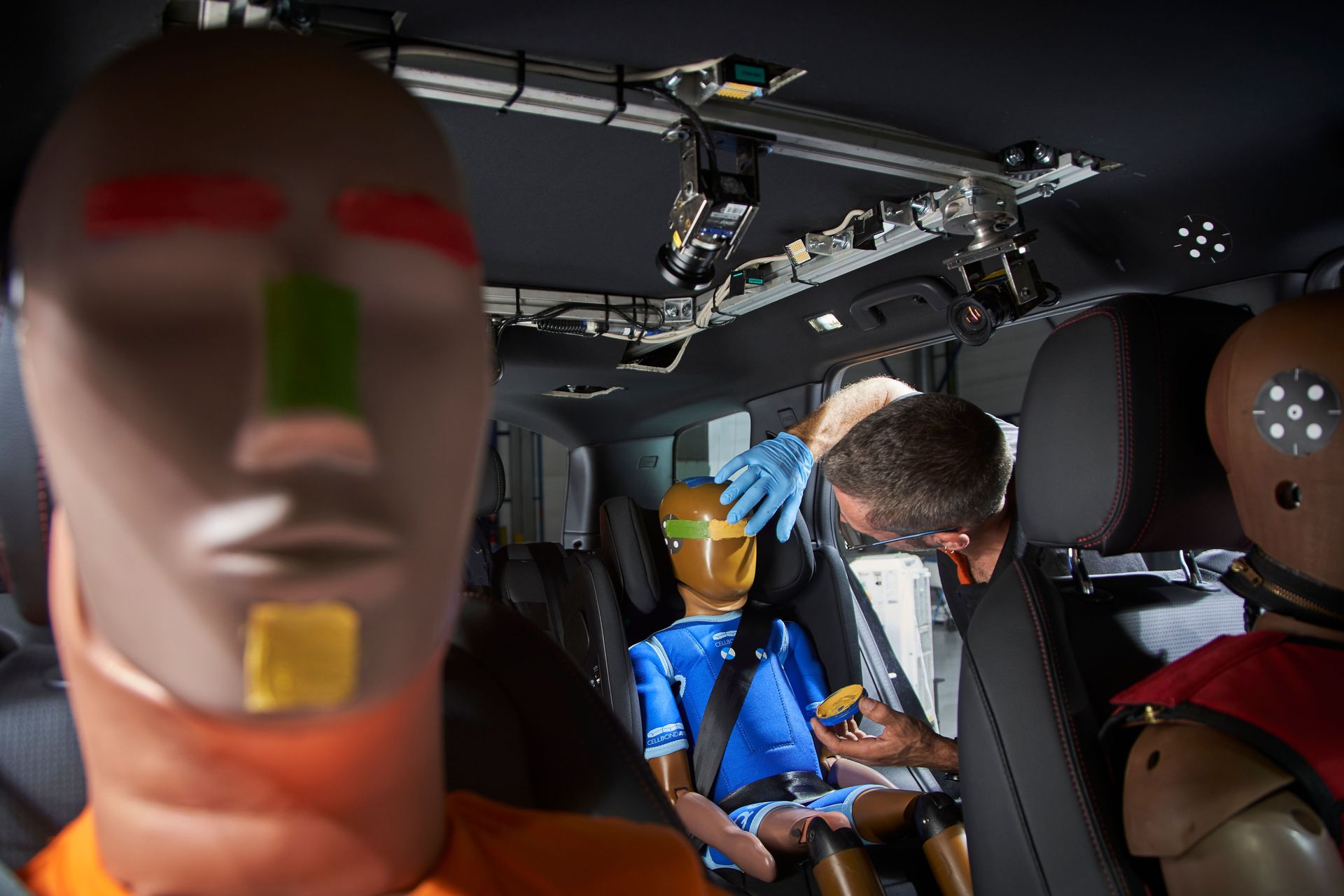
For families, a top safety rating ensures the vehicle offers the highest protection for children. Our evaluations use advanced crash test dummies representing six- and ten-year-olds to rigorously assess a vehicle’s protection in both frontal and side collisions. Euro NCAP also verifies practical safety by examining how easily and securely a full range of child seats - from rear-facing infant carriers to forward-facing boosters - can be installed. Vehicles that earn top ratings demonstrate reliable protection for young passengers in both testing and real-world use.
Euro NCAP evaluates a vehicle’s front‑end design to understand how it would physically interact with a pedestrian or cyclist during a collision. This assessment examines the likely severity of injuries to critical body regions such as the head, pelvis and legs by analysing measured impact forces and decelerations. This information is particularly crucial given the number of cyclists and pedestrians using roads in modern cities. Modern crash avoidance systems try to avoid or to mitigate a collision but it is imperative that cars have, by design, a high level of protection in case an accident should happen.

Since 1997, Euro NCAP has used dummies to assist us in our crash-testing and validation of real-world safety performance. Since then dummies have evolved to represent a wider and more diverse population. Meet our dummy family.
Driver assistance and crash avoidance technologies are complementary to traditional crash protection systems, aiming to prevent accidents or reduce their severity rather than protecting occupants during a crash. Euro NCAP’s assessments focus on systems such as Autonomous Emergency Braking (AEB) and Intelligent Speed Assistance (ISA). These tests evaluate the effectiveness of these systems during normal driving and critical accident scenarios.
Driver assistance technologies enhance safety during normal driving. Evaluation includes Speed Assistance Systems (SAS) to help maintain legal speeds, Adaptive Cruise Control (ACC) to keep a safe distance from other vehicles, driver monitoring systems to detect fatigue or distraction and prompt corrective action, and seat belt reminders to encourage seatbelt usage.
Euro NCAP assesses each car on a test track for the presence and effectiveness of crash avoidance technologies intended to avert or lessen critical crashes involving other vehicles, obstacles and vulnerable road users. Autonomous Emergency Braking (AEB), Lane Support (LSS), and Automatic Emergency Steering (AES) systems are among the technologies evaluated, as are back-over and cyclist dooring prevention systems.
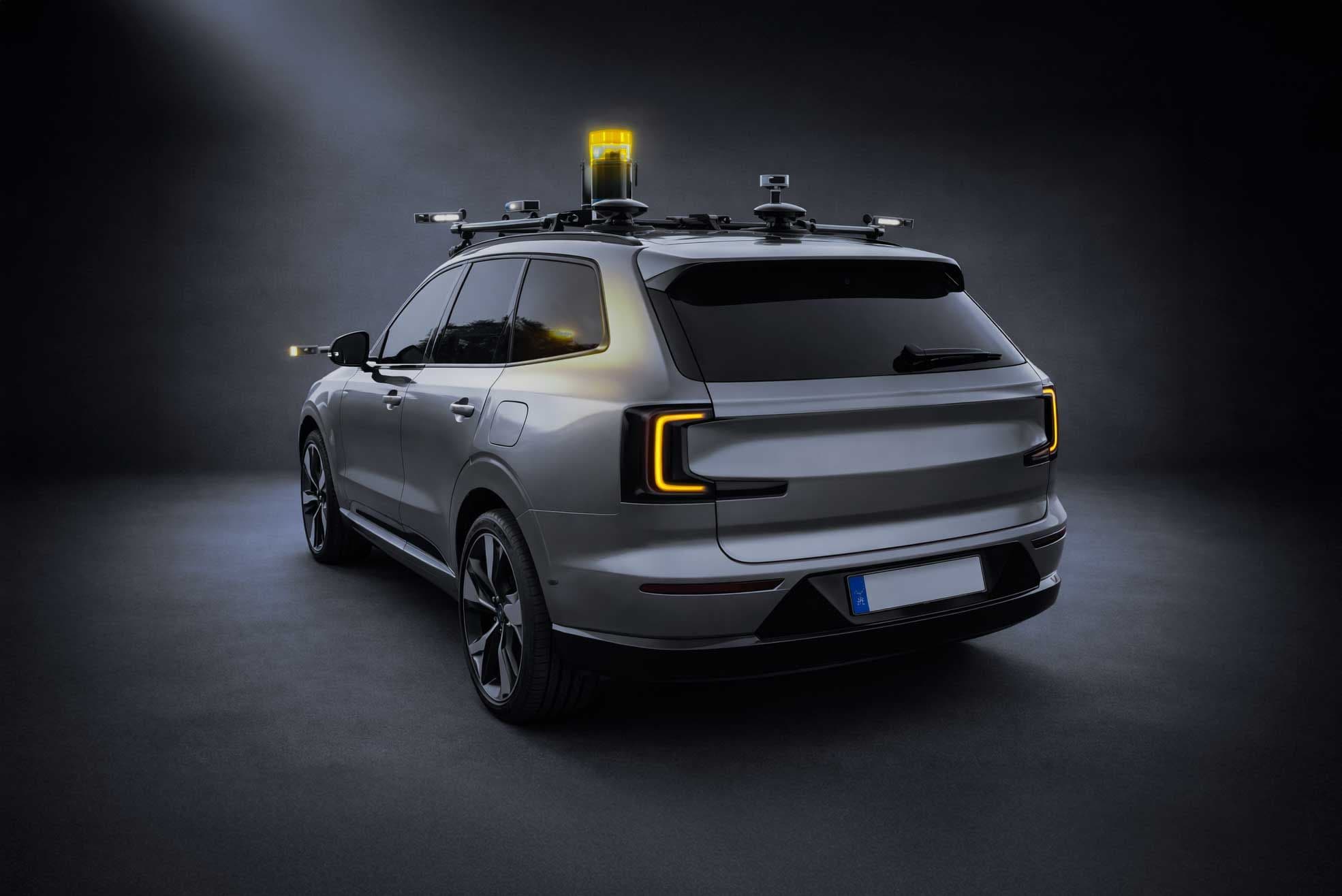
Euro NCAP evaluates driver monitoring technologies that maintain attention and engagement behind the wheel. From 2026, its tests focus on improved system reliability and user acceptance. Points will be awarded for advanced systems that monitor driver behaviour in real time. This type of testing is particularly relevant to assess the overall driving experience of consumers.
Euro NCAP’s post-crash safety assessment focuses on supporting first to execute a rapid and safe rescue. Advanced eCall systems can get the emergency services to the scene of an accident as swiftly as possible. Once there, those who are first on the scene can be put at risk if they are not aware of the location of high voltage batteries, fuel tanks, airbag inflators and seatbelt pre-tensioners. Their work can also be hampered by locked vehicle doors and windows, and high-strength body structures. Manufacturer's Rescue information for each vehicle is checked for completeness and compiled in the Euro Rescue app. Additional evaluations include post-crash door-opening performance, high-voltage battery safety, and vehicle behaviour in case of submergence.
Euro NCAP aims to give drivers, families and businesses clear, reliable information about how safe new cars are – but it isn’t possible to test every car on the market. Each year, a selection of new and popular models is chosen for testing. These are usually new releases, though sometimes cars already on sale are included too.
Each Euro NCAP member organisation sponsors at least one vehicle test per year, typically selecting a model that's important in their market. Manufacturers often also request their own models to be rated, but the testing process is identical for all vehicles, regardless of who sponsors the test.
To fairly represent what consumers can purchase in showrooms, Euro NCAP works with manufacturers to identify the best-selling version of each car in Europe. The test car is typically fitted with all the safety equipment offered as standard across the EU. Sometimes, a second rating is given for cars fitted with an optional safety pack, to show how extra features can enhance safety.
Euro NCAP can obtain test vehicles anonymously from dealerships, directly from manufacturing plants, or through random selection from production. Only type-approved, road-legal production cars are tested, and Euro NCAP ensures that all vehicles accurately represent the condition and specifications available to consumers.