Euro NCAP evaluates driver monitoring technologies that maintain attention and engagement behind the wheel. Euro NCAP and its team of drivers test vehicles on European roads over several countries to monitor safety performance. From 2026, its tests focus on improved system reliability and user acceptance. Points will be awarded for advanced systems that monitor driver behaviour in real time.
To achieve the highest ratings, vehicles must not only employ continuous eye- and head-tracking but also link driver state information to the sensitivity of driver assistance systems. Additional credit will be given to technologies that can identify signs of drug or alcohol impairment and those capable of safely bringing the vehicle to a halt if the driver becomes unresponsive.
New assessments of the human–machine interface (HMI) evaluate the placement, clarity, and ease of use of essential controls — including the availability of physical buttons for commonly used functions, which consumer feedback suggests can reduce distraction. Vehicles able to detect whether seatbelts are being worn correctly – and optimise restraint and airbag systems for different driver and passenger physiques – will earn higher scores. Verification of speed-limit information accuracy will also be conducted during on-road driving tests.
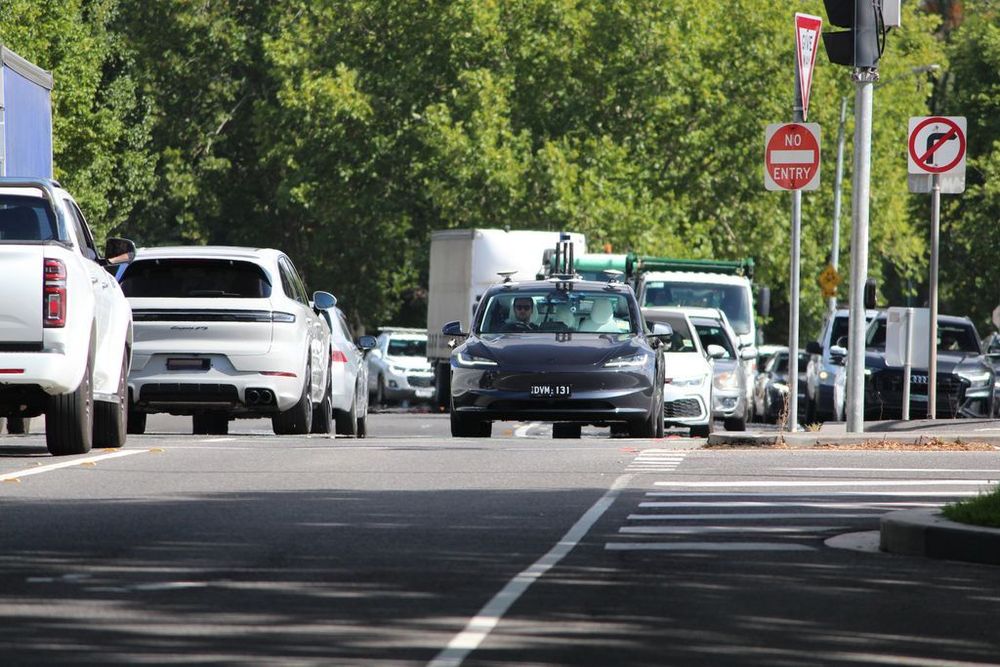
Advanced Driver Assistance Systems (ADAS) like autonomous emergency braking and lane keeping assist are tested on controlled tracks, allowing consistent and comparable performance evaluations. However, other systems, such as Speed Assistance Systems (SAS), can only be assessed in a real road environment. These systems rely on cameras and digital maps to display the applicable speed limit, helping drivers maintain safe and legal speeds. Accuracy is critical – overestimating limits can be dangerous, while underestimating them can frustrate drivers. Because road conditions and signage vary, Speed Assistance System performance must be assessed in real-world driving conditions, beyond what test tracks can replicate.
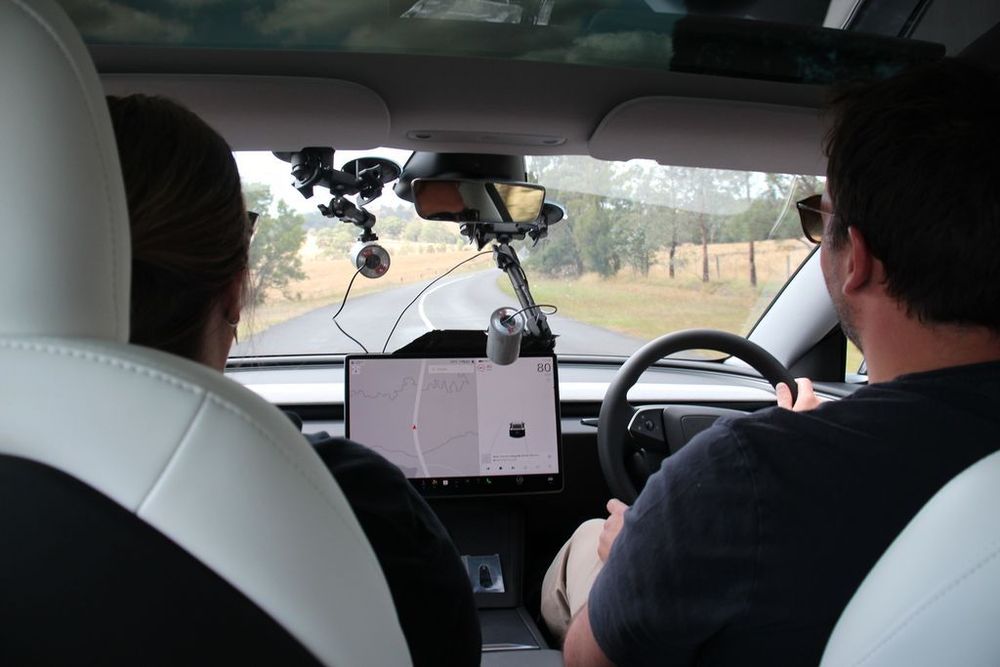
The accuracy of a Speed Assistance System (SAS) can only be properly evaluated on real roads. Until 2025, Euro NCAP used a short 100 km test route, often encountering only one set of road markings per country. In 2026 testing has become far more comprehensive. Every vehicle model is equipped with a full suite of sensors – LiDAR, RADAR, and cameras – to establish a precise 'ground truth' of speed limits. Cars are driven over 2,000 km across at least three European countries, with every reaction logged. This approach generates thousands of test points, allowing Euro NCAP to accurately measure how often a vehicle correctly informs the driver and, where applicable, adjusts its speed, resulting in safer and more reliable systems for all.