

Euro NCAP has long believed that the use of physical buttons or controls for basic functions is safer. The latest round of vehicle safety tests confirms that some manufacturers are responding to the call that in an increasingly complex age, keeping things simple is the safest approach.
Three new cars have been assessed by safety experts under Euro NCAP’s 2026 protocols that include the Audi Q7, Kia EV2 and XPENG X9. The results of Euro NCAP’s testing show that car manufacturers are making a steady return in favour of buttons and switches for basic functions, rather than the use of touchscreens and voice control.
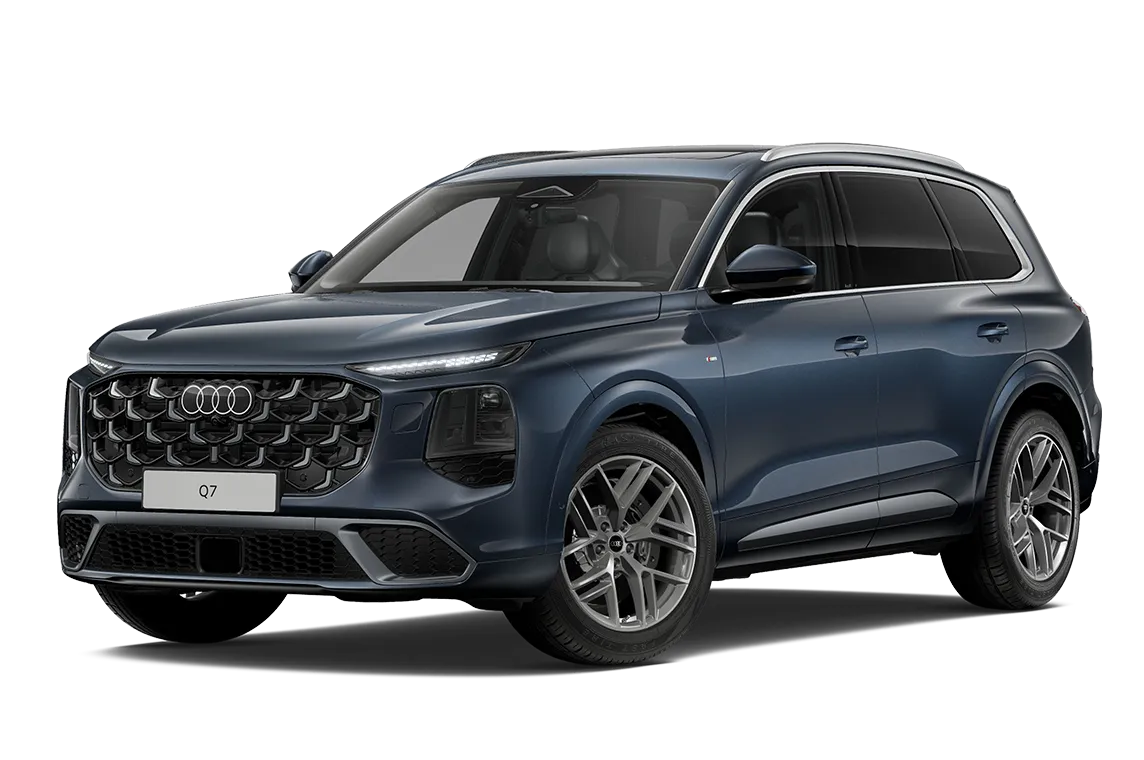
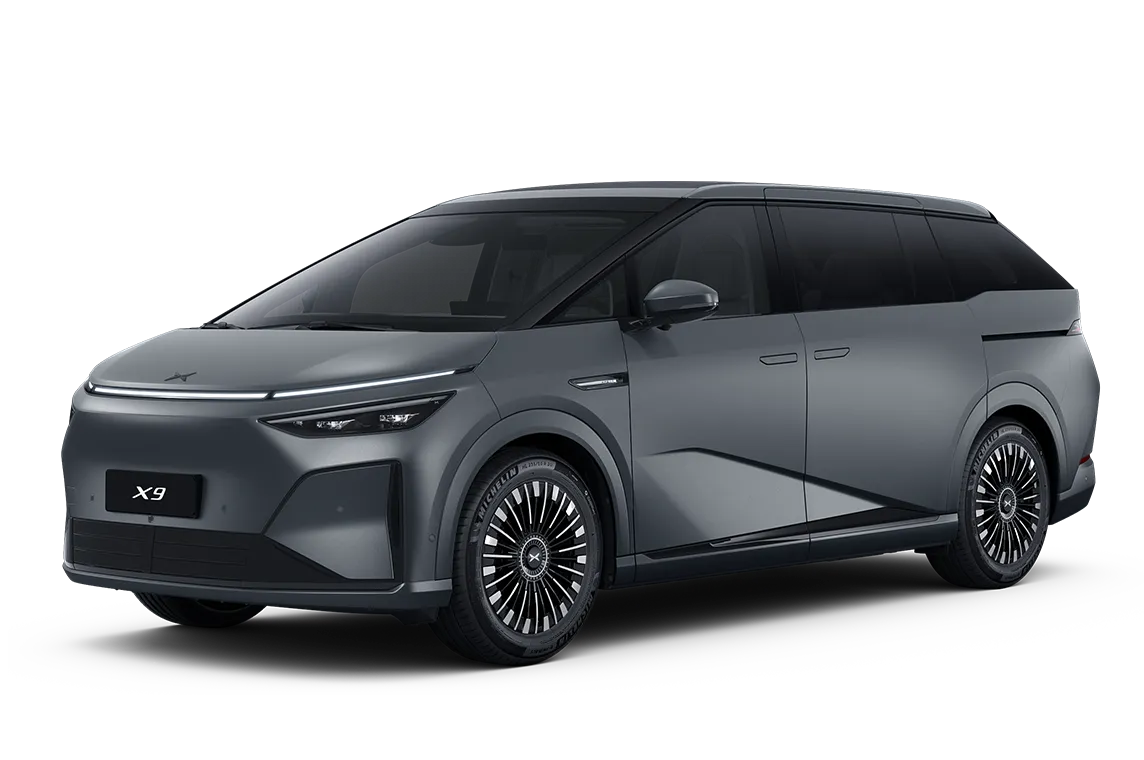
This point is illustrated by the differing performances of the latest generation Audi Q7, the Kia EV2 and the new XPENG X9. Both the Q7 and the X9 are large, premium cars aimed at families, but the Q7 SUV shows how to make driving controls simple, intuitive and ultimately safe, whereas the X9 relies too heavily on touchscreen technology.
Under the Safe Driving section of Euro NCAP’s safety rating, the key driving controls – indicators, windscreen wipers and washer, hazard warning lights, horn and eCall emergency button – should be operated by a direct physical input rather than hidden within a menu on a touchscreen.
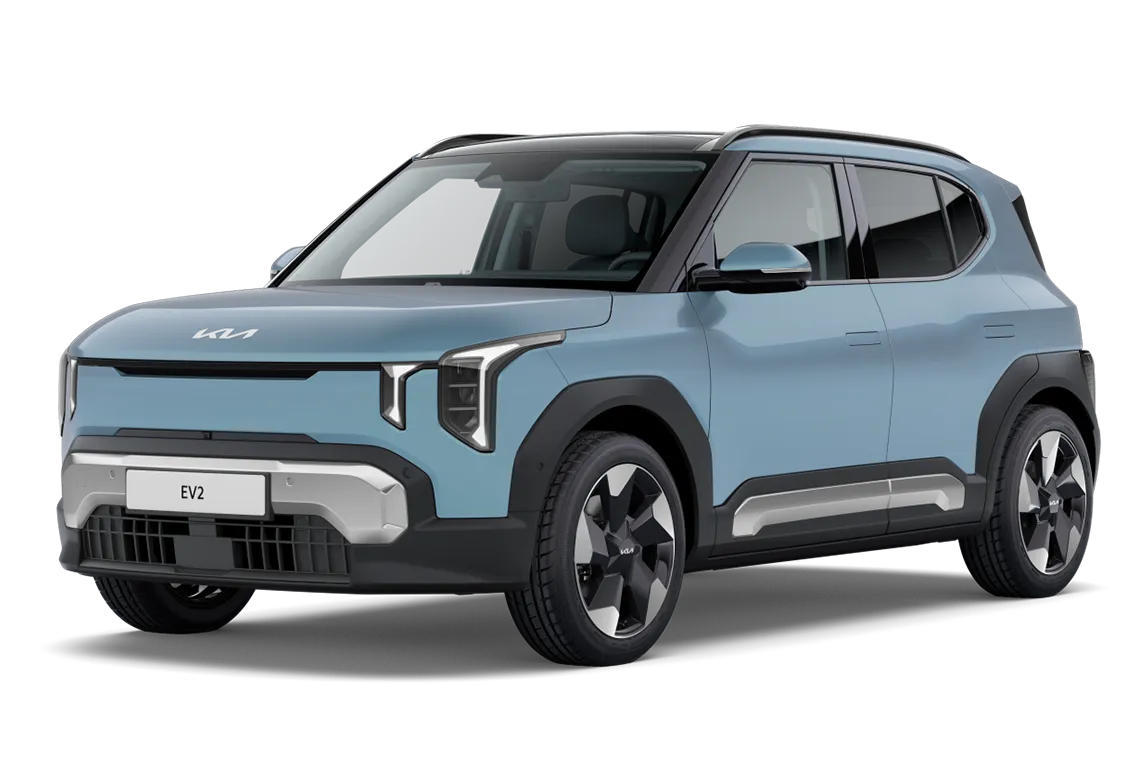
Audi, part of the Volkswagen Group, which has previously been criticised for doing away with buttons and switches, scores a high 90% overall for driving controls: 100% for the essential driving tasks and 80% for comfort and infotainment. Its new Q7 uses buttons and stalks that are clearly visible and ergonomically sited, are easily operated manually and reduce the chances of driver distraction. The Kia EV2, a smaller SUV also achieves excellent scores for its driving controls. In contrast, the Chinese car maker XPENG relies too heavily on the central touchscreen, which can be distracting, scoring only 20% for its primary driving controls.
Of the cars already tested by Euro NCAP in 2026, there are clear differences between European manufacturers and Chinese carmakers (with one exception the GEELY E2) with the Europeans scoring highly in the use of buttons for basic functions in the driving control assessment. The BMW iX3 scores 100% in driving controls with the CUPRA Raval and the GEELY E2 both scoring 80%. In contrast the ZEEKR 7GT and AION UT only score 20% with the Leapmotor B05 lagging with a score of 0%.
This seemingly small but significant difference highlights how Euro NCAP’s latest testing protocols, introduced for 2026, encourage the use of well-sited, easily operated physical buttons and switches for basic functions. This is partly in response to consumer criticism of too many day-to-day driving controls being embedded within touchscreen menus, which can be needlessly fiddly, and which research has shown has a higher distraction potential for a driver compared to physical buttons.
Audi Q7 – 5 stars
Taking cues from consumer feedback and Euro NCAP, Audi has taken the initiative to reinstate physical buttons and switches, a decision validated by a five-star Safety Rating. Under the Safe Driving evaluation, the Q7 also proved its forward-looking safety credentials with a lane departure system that varies its sensitivity depending on how attentive the driver is, reducing the warnings and interventions if the driver is alert and not distracted. Combined with excellent occupant protection across frontal, side, and pole impacts, the Q7 impresses.
XPENG X9 – 5 stars
The XPENG X9, a large MPV, relies heavily on its central touchscreen for core functions, leading to possible driver distraction and low scores in driving controls. However, it manages to secure a five-star overall rating off the back of a strong performance in Crash Avoidance and excellent Post Crash Safety. Where the X9 falters is in its speed assistance system, which failed to meet Euro NCAP's effectiveness benchmarks during the 2000 km real-world European test drive. The system struggled with conditional speed limits – such as wet weather restrictions or HGV-specific limits – and failed to meet basic protocol requirements to display the last known speed limit alongside a clear indication when an uninterpretable sign was encountered.
Kia EV2 – 5 stars
The Kia EV2, a crossover SUV, illustrates how crucial advanced driver monitoring has become, achieving a five-star rating thanks in part its Driver State Monitoring system and, like the Audi, varying its warning strategy depending on driver alertness. Under Euro NCAP’s testing, driver assistance features like lane departure prevention are evaluated to ensure they work in tandem with the driver’s attention levels – adjusting intervention timing and severity based on whether the driver is focused or distracted. To score well and avoid driver annoyance, systems must demonstrate a meaningful, calibrated difference in response between an attentive driver and a distracted one. A robust Crash Protection rating further helped secure the EV2 a five-star rating.
Euro NCAP is continually monitoring market trends, and the move toward placing as many driving controls within a car’s touchscreen system is one that has concerned us just as much as it has annoyed consumers. It is clear in these results that the XPENG adheres to the mantra that everything must be included in the touch screen, despite overwhelmingly negative feedback by European car buyers. We applaud Audi and Kia for taking a more common-sense approach. Our latest protocols reward the intelligent use of physical buttons and controls, as this can reduce driver distraction, and both Audi’s new Q7 and Kia’s EV2 do an excellent job of keeping safety simple. Other manufacturers, including XPENG, would do well to follow this strategy.
Also tested:
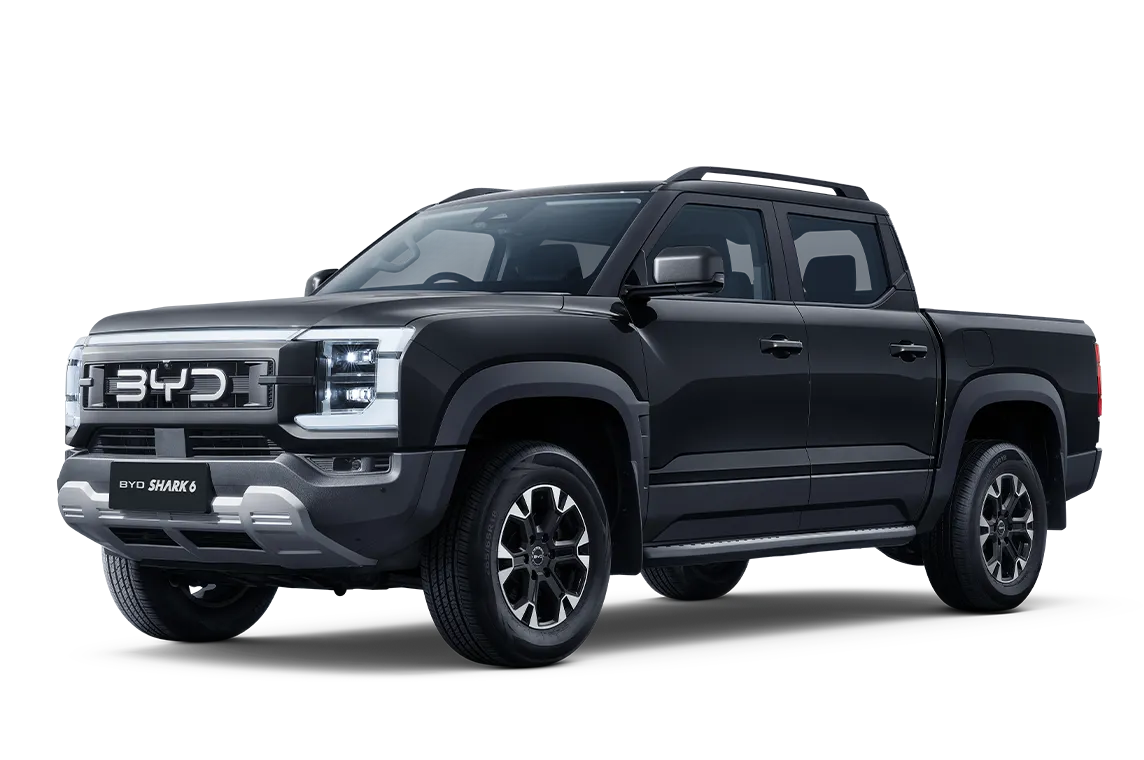
BYD SHARK – 5 stars (2025 rating)
The BYD SHARK pickup truck achieved its five-star result with a rating adapted from Australasian NCAP 2025 testing, supplemented by Euro NCAP's own frontal offset and barrier impact evaluations. Despite a post-test penalty applied when a side curtain airbag failed to deploy correctly, the SHARK delivered good driver assistance to help prevent accidents, and solid crash protection performance in the event of an impact.
MAZDA 2 Hybrid – 4 stars (2025 rating)
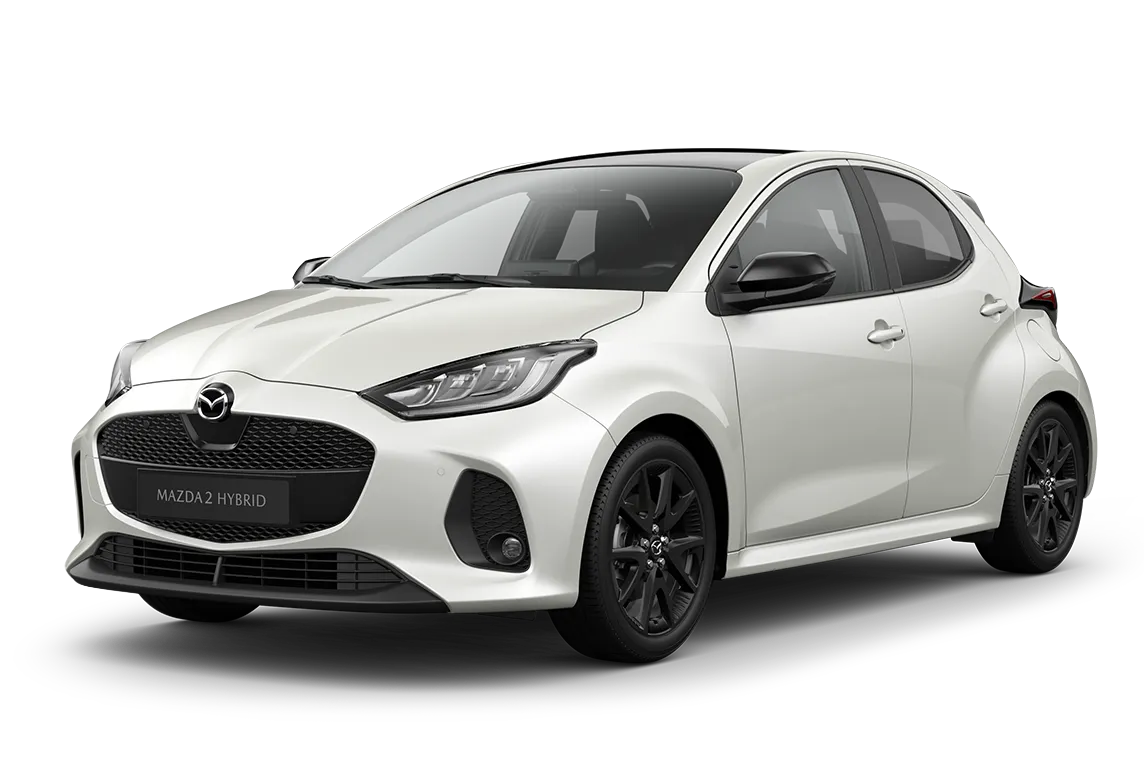
Finally, the MAZDA 2 Hybrid completes the lineup, maintaining a four-star rating carried over from its Toyota Yaris sister model.