

Speed limit information


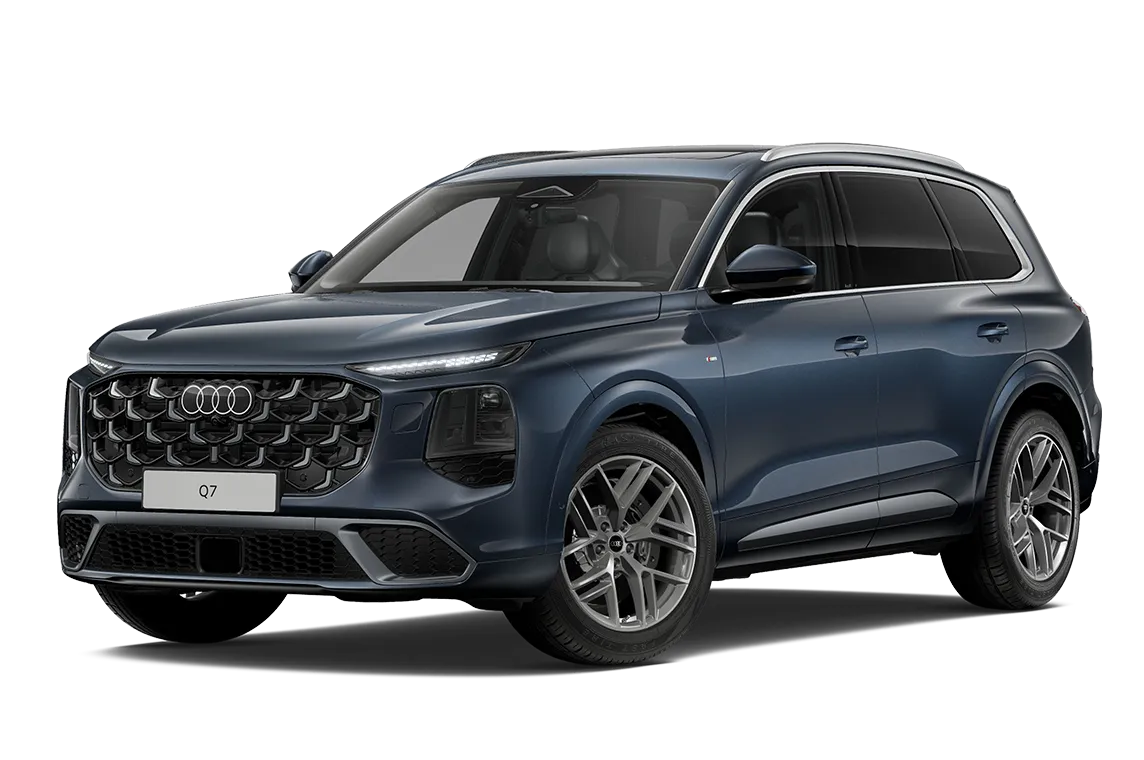

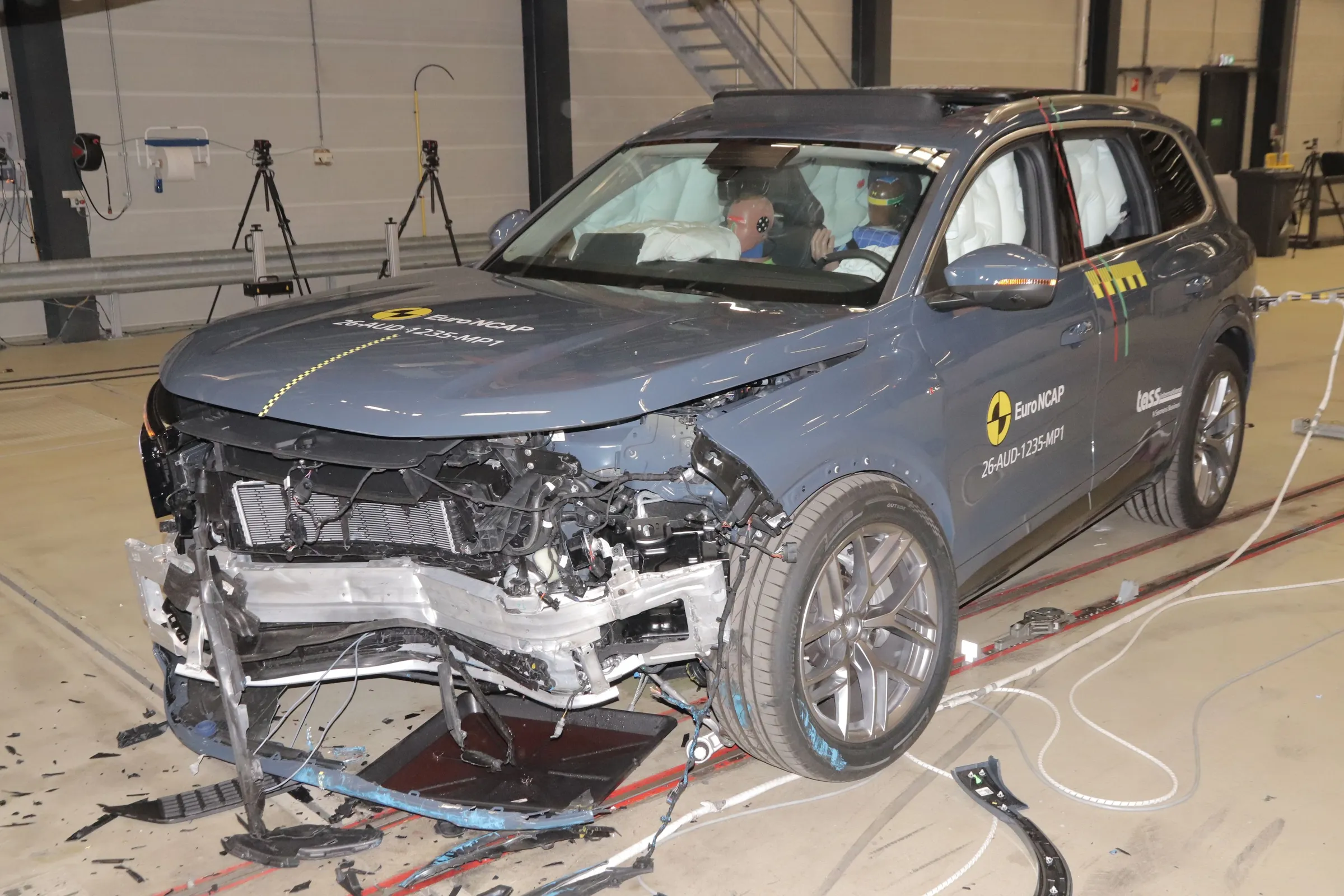
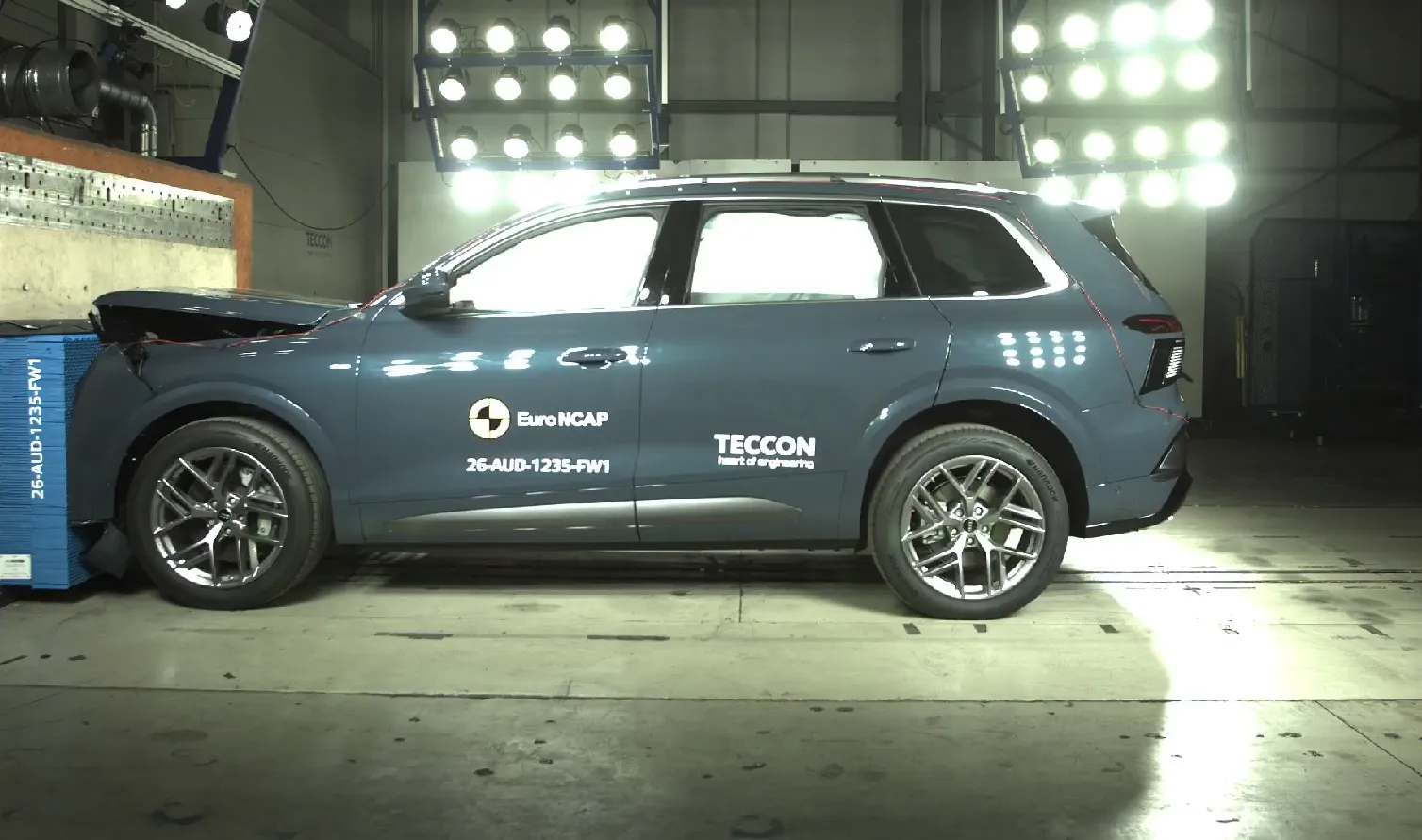
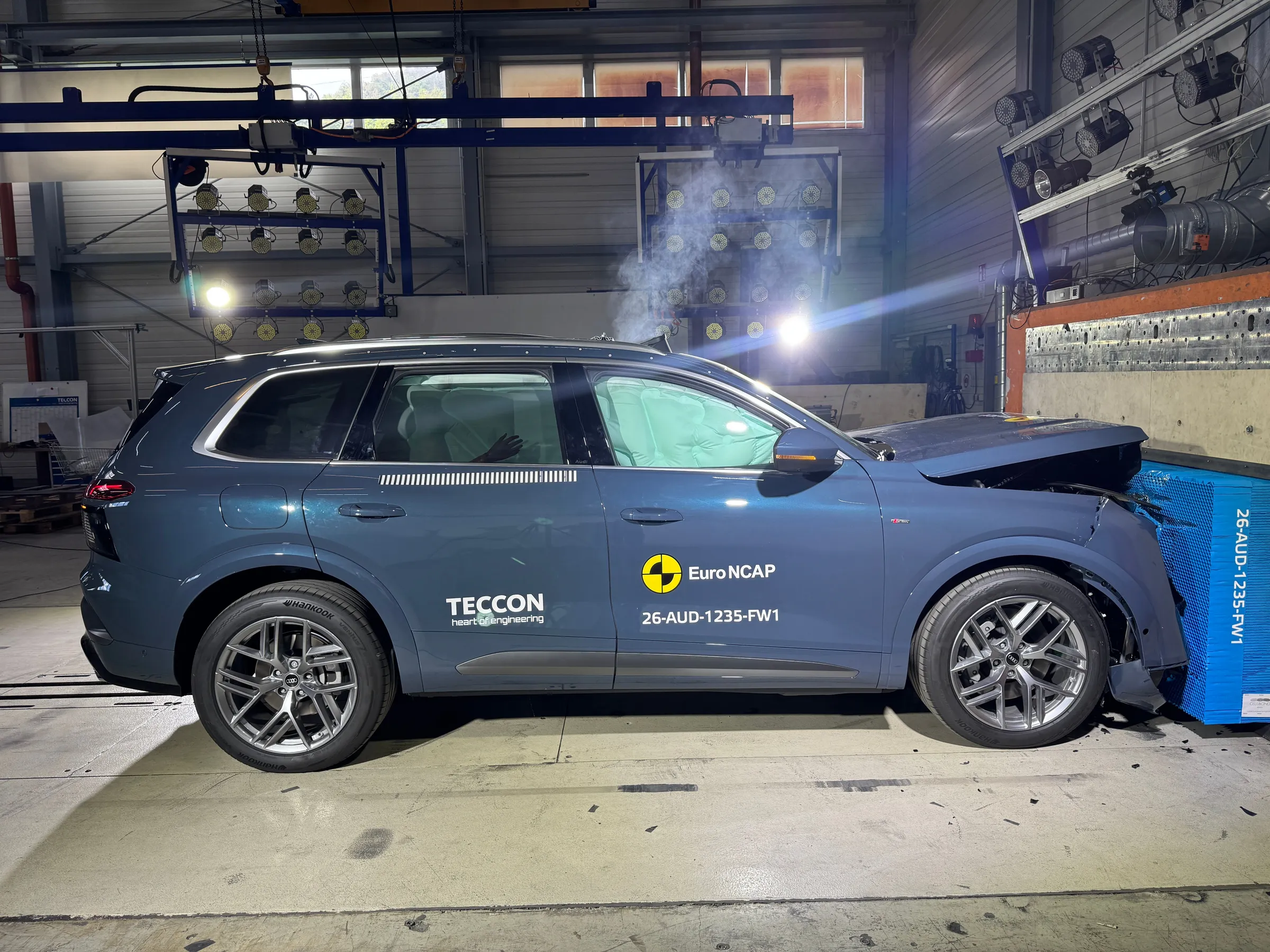
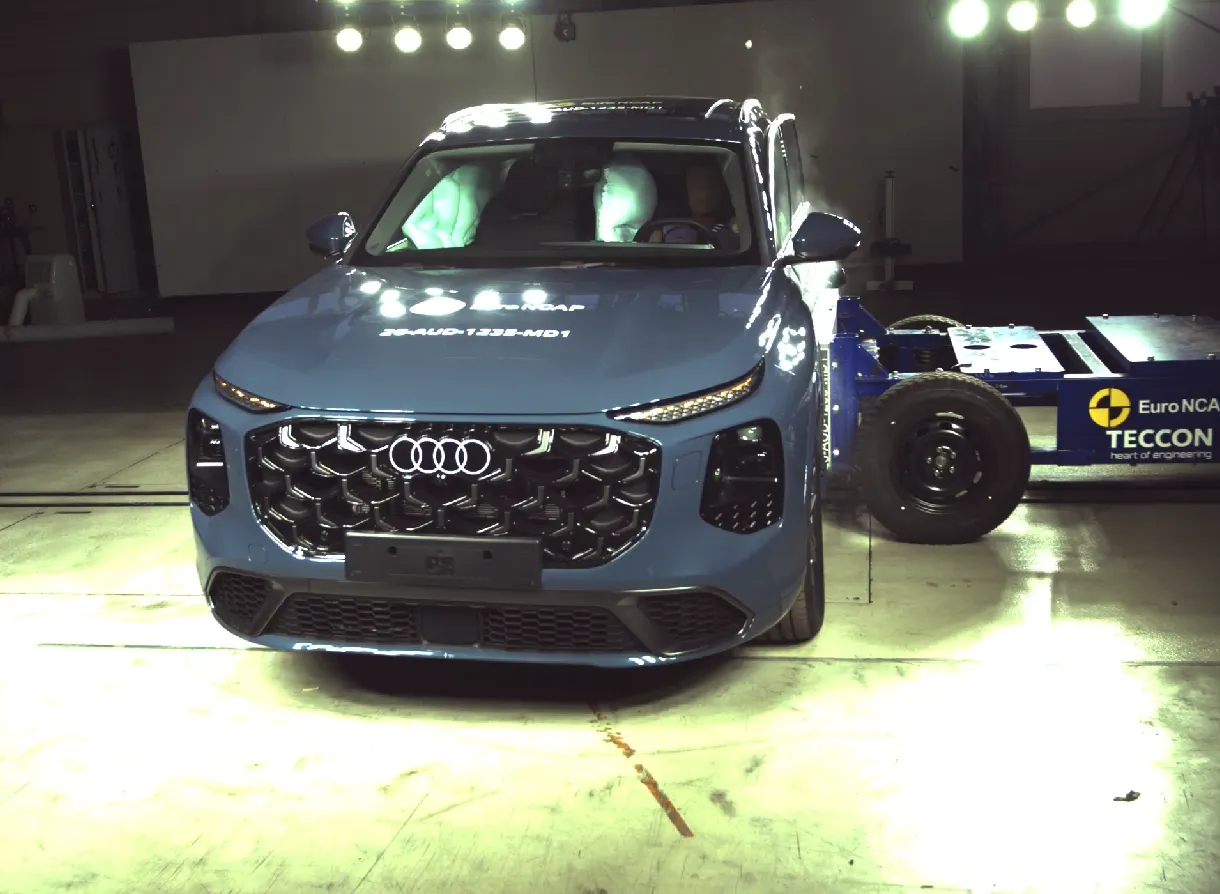
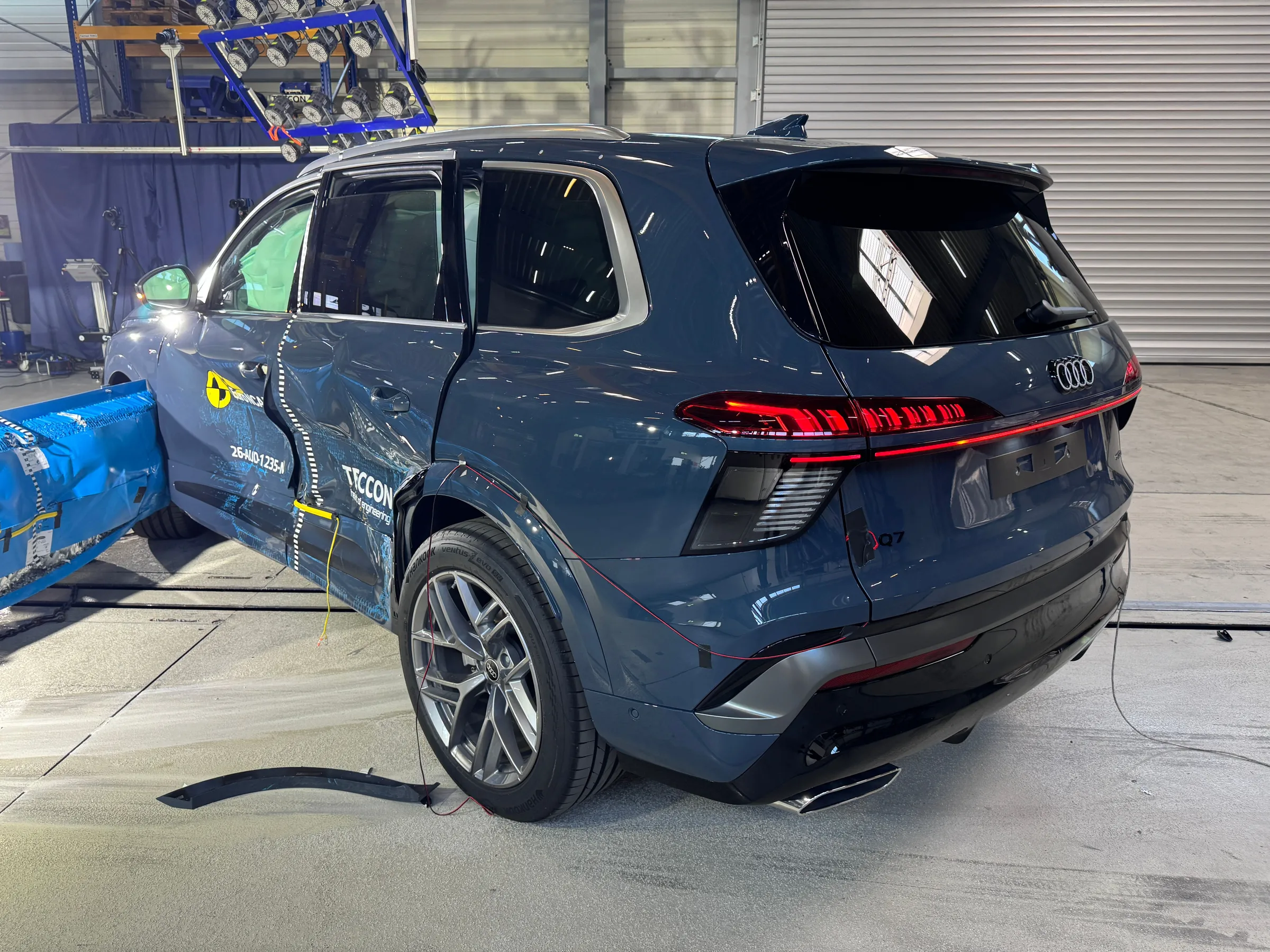
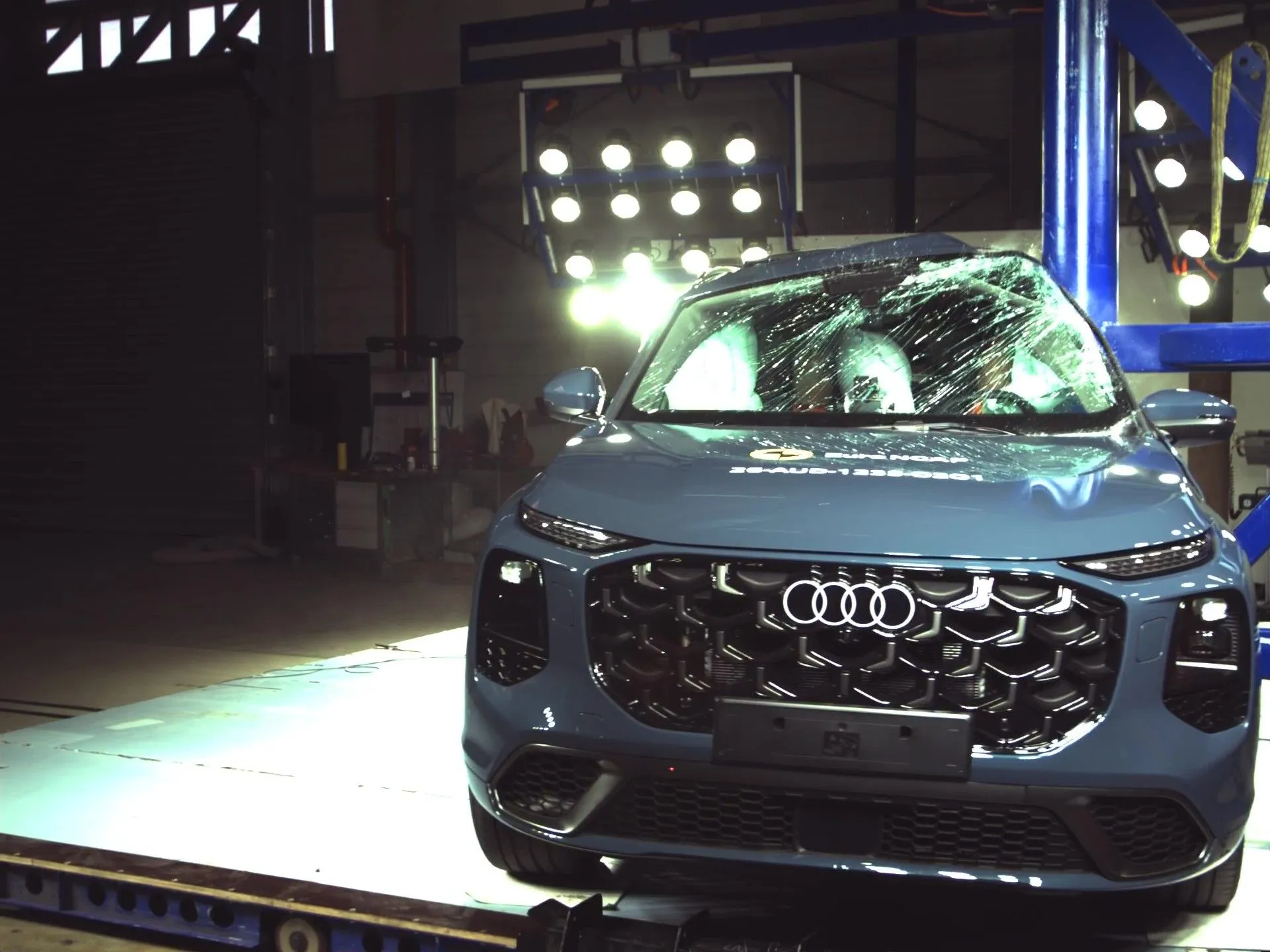
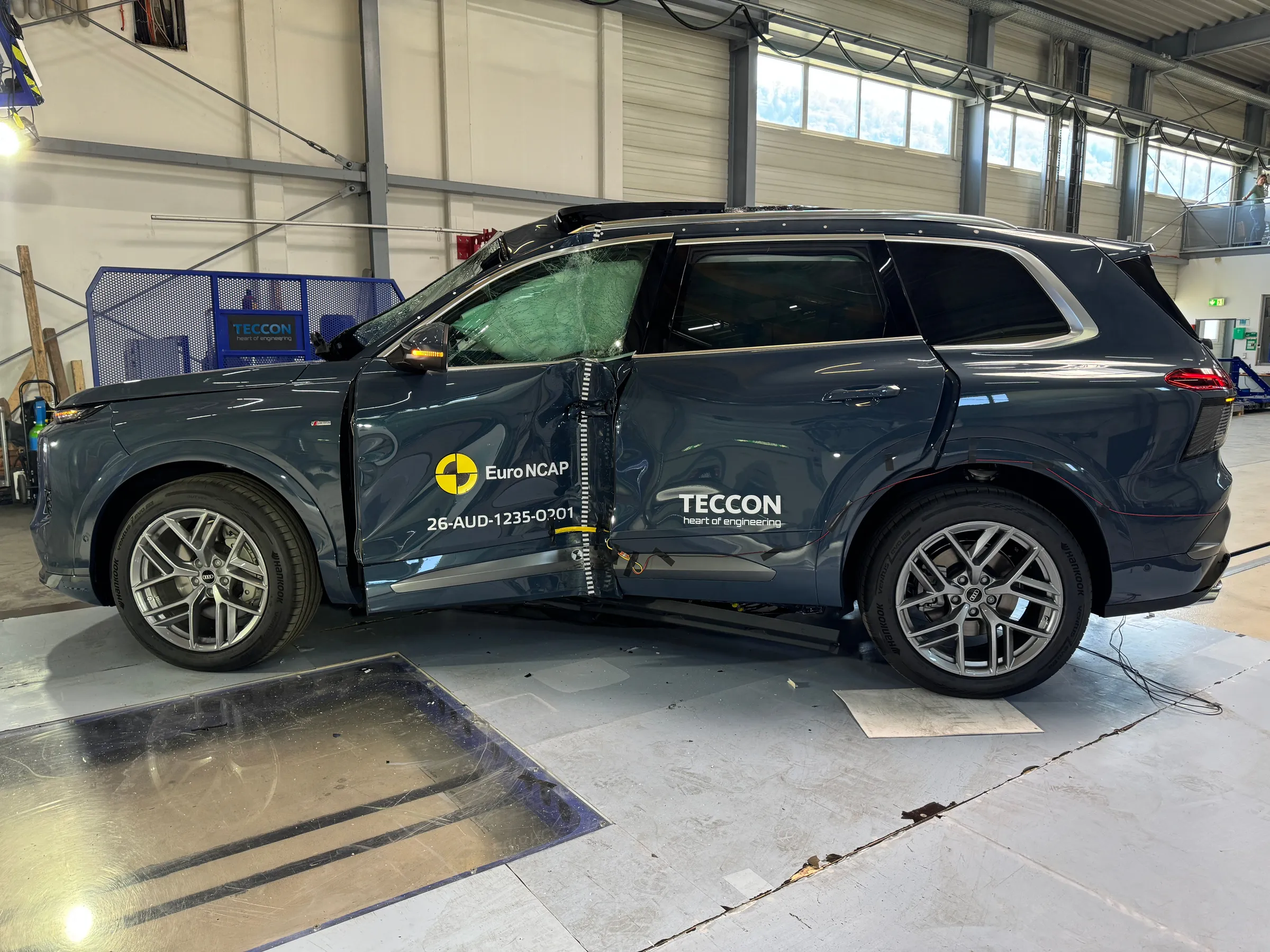
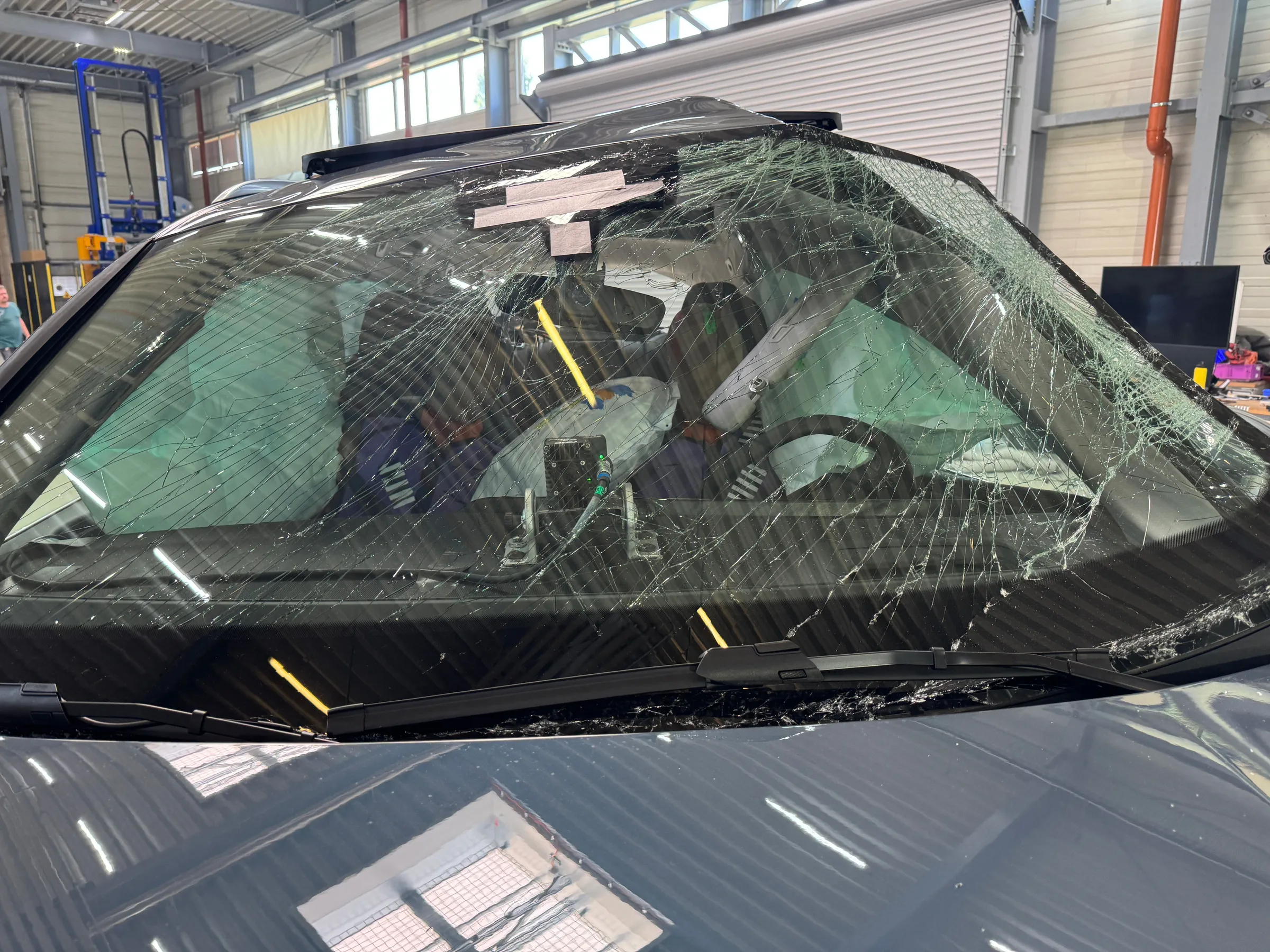

The Audi Q7 emerges from Euro NCAP's most recent testing regime with a well-deserved 5 star rating with excellent scores in all four stages of safety.
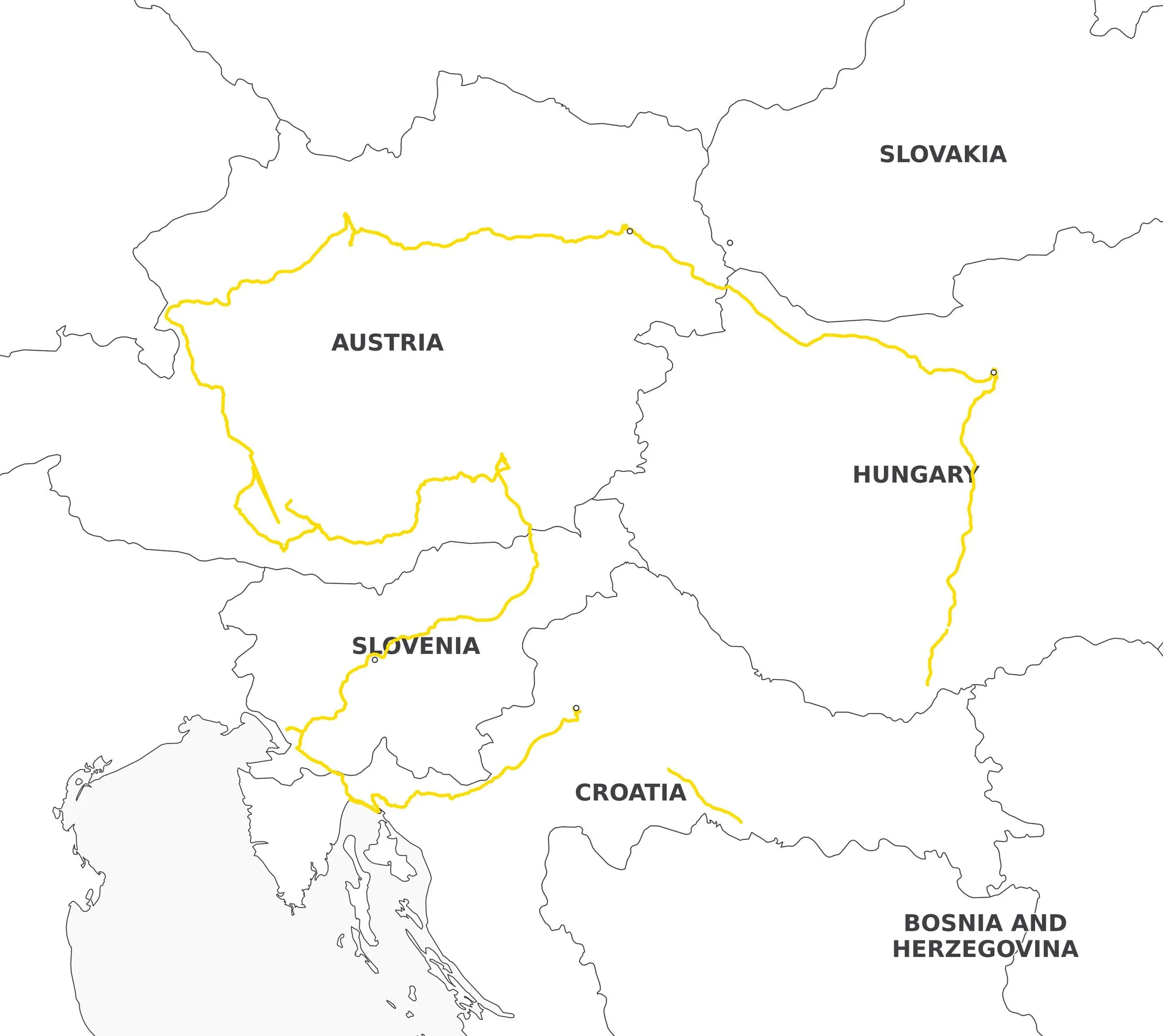
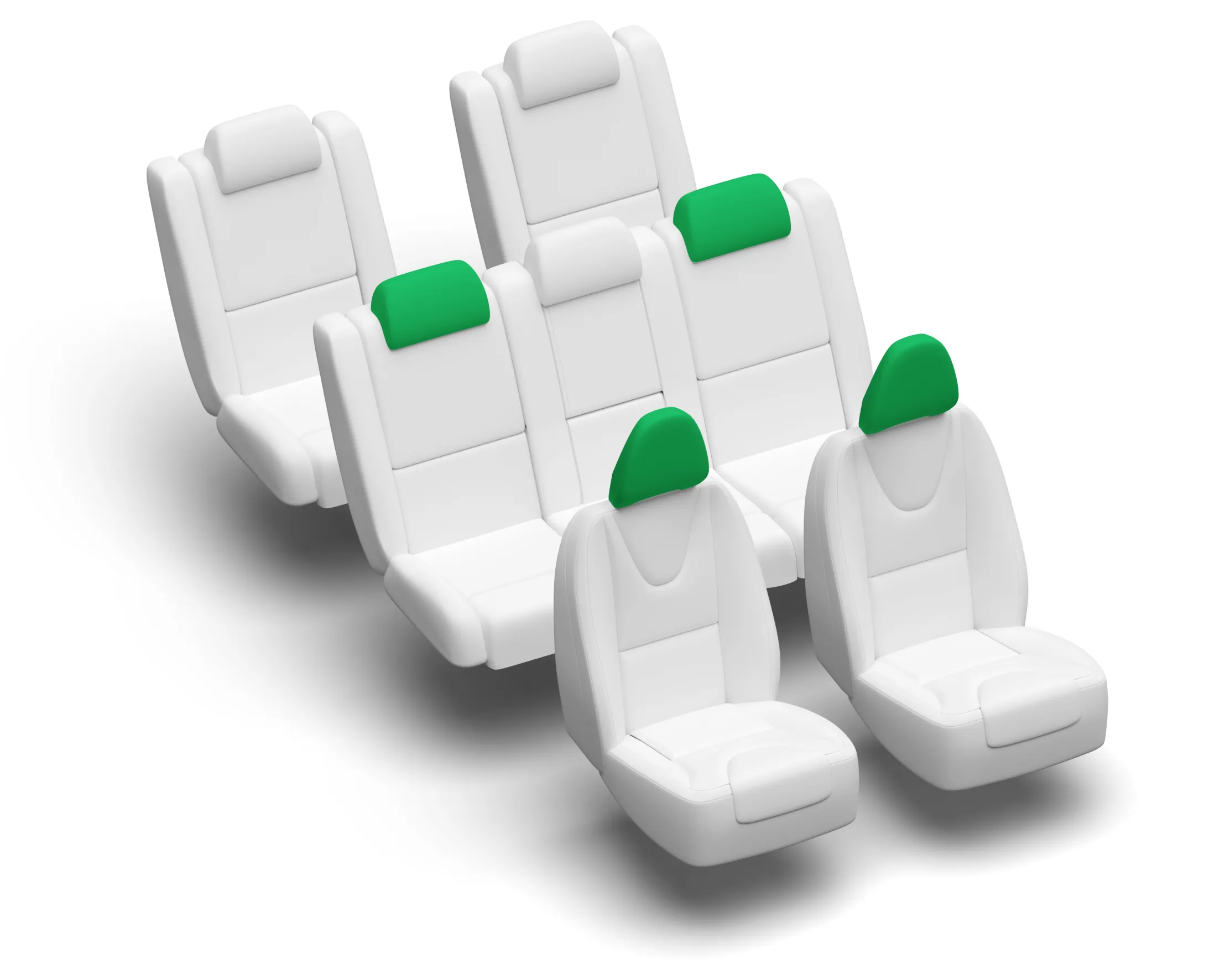
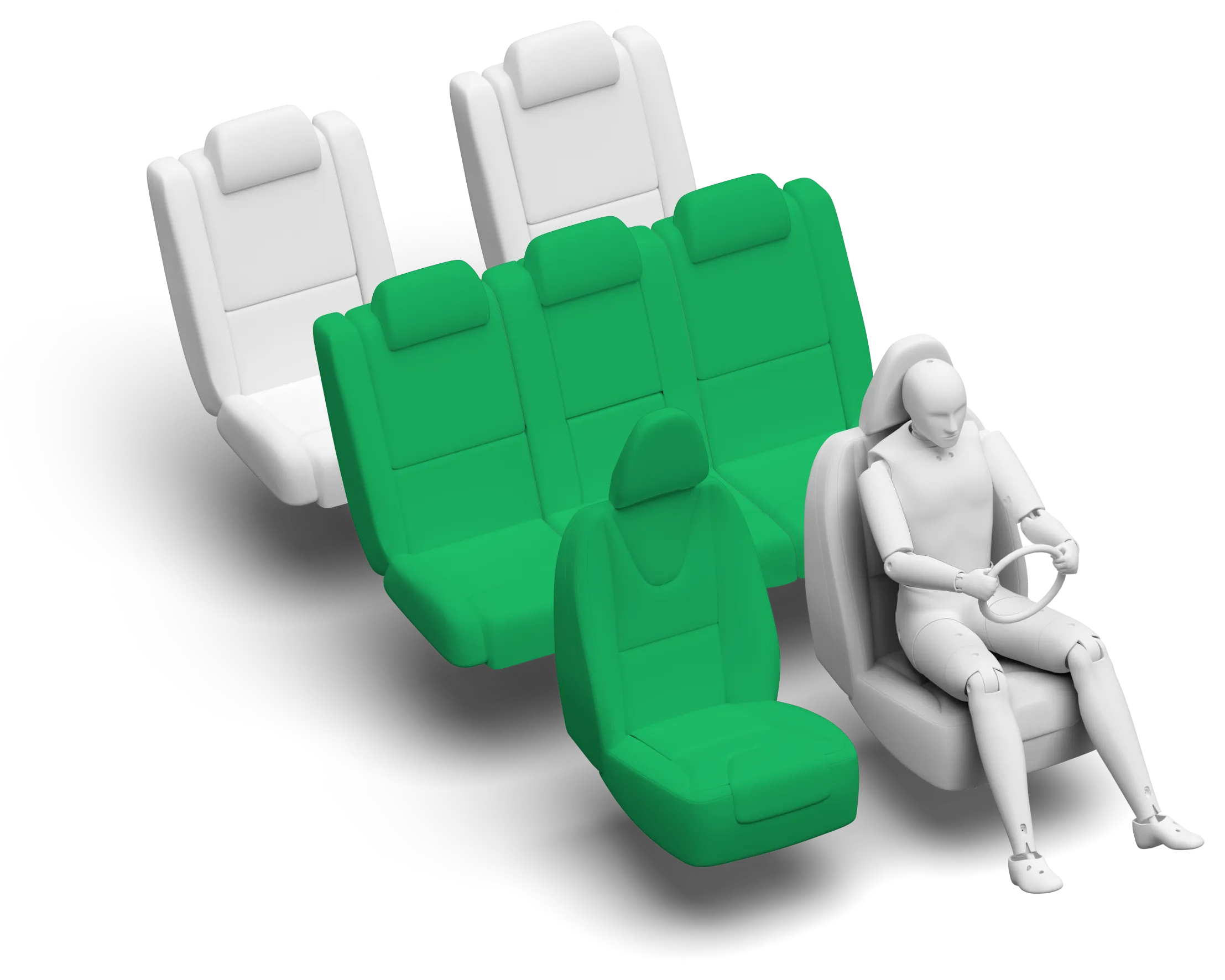
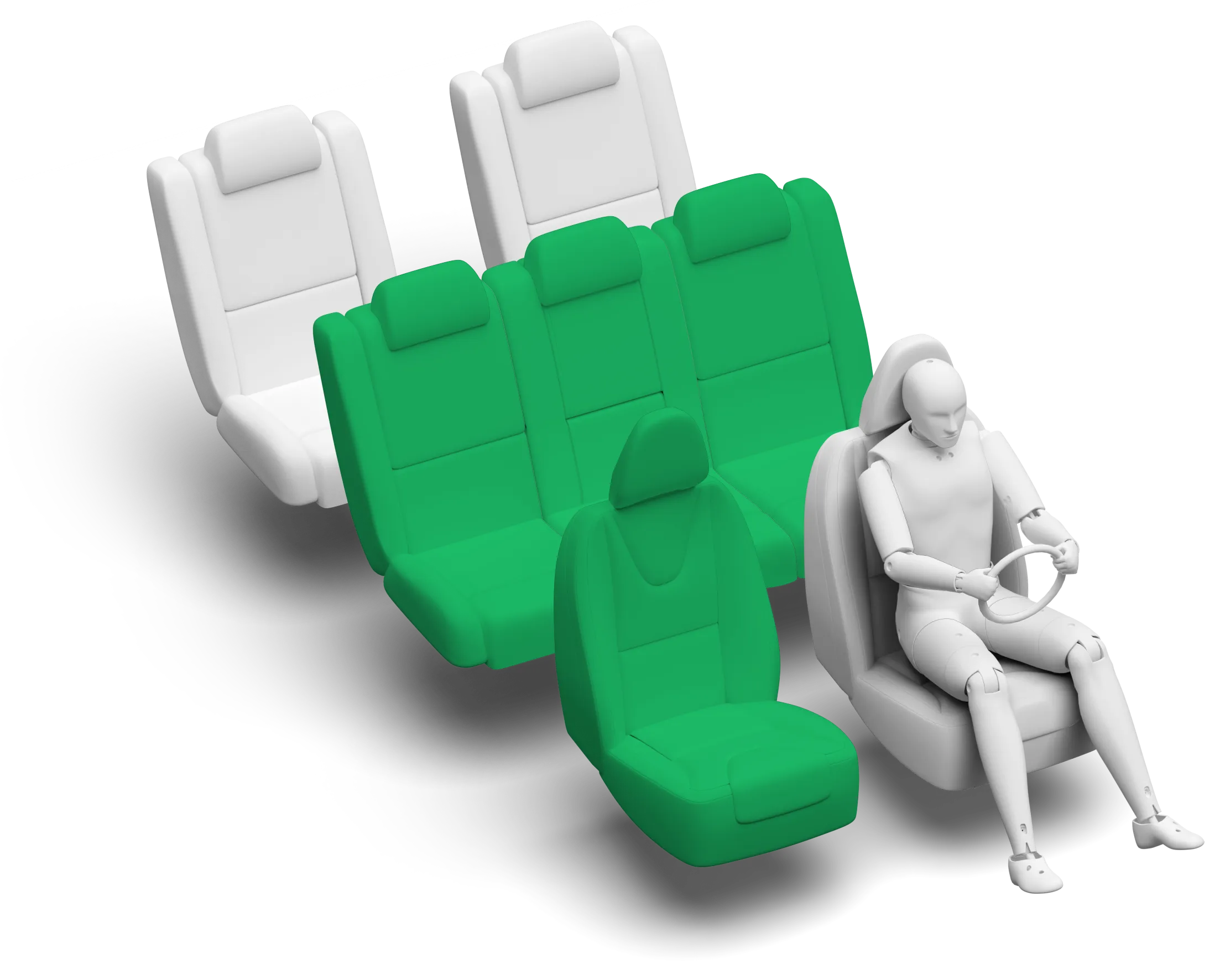
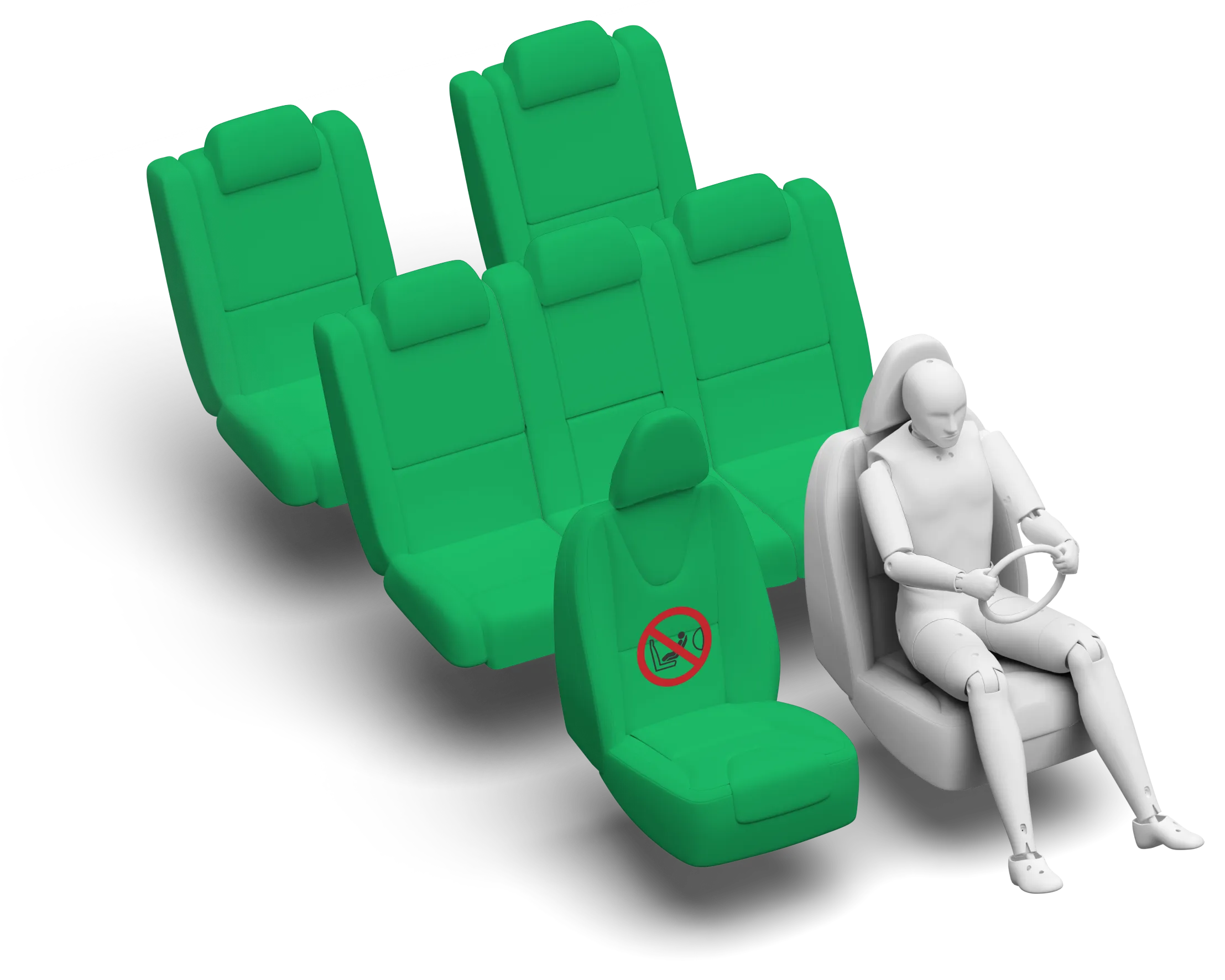
The Audi Q7 correctly identifies seatbelt mis-use and recognises the presence of all rear seat occupants. There is no recognition of occupants sitting 'out of position', with their feet on the dashboard, for example, but occupant stature is correctly recognised, allowing the restraint system to be adjusted appropriately. The Audi Q7 is not equipped with Child Presence Detection as standard, which issues a warning if a child has been left unattended in the car. The driver monitoring system identifies driver fatigue and various types of distraction and phone use. The Q7 makes good use of manual controls for comfort and infotainment and scores full points for its driving controls. The speed assistance system of the Audi Q7 proved very effective. In a test drive of around 2000 km through Germany, Austria, Hungary and Slovenia, the system correctly identified the limit in 87 percent of cases, representing 95 percent of the distance covered. The car scored well in an evaluation of its adaptive cruise control system, relying more on emergency braking (assessed in Crash Avoidance) for vulnerable road users.
The Audi Q7 is equipped with all of the latest crash avoidance technologies, and scores well for most of them. The car protects against 'dooring', where a door is opened into the path of a cyclist approaching from behind.
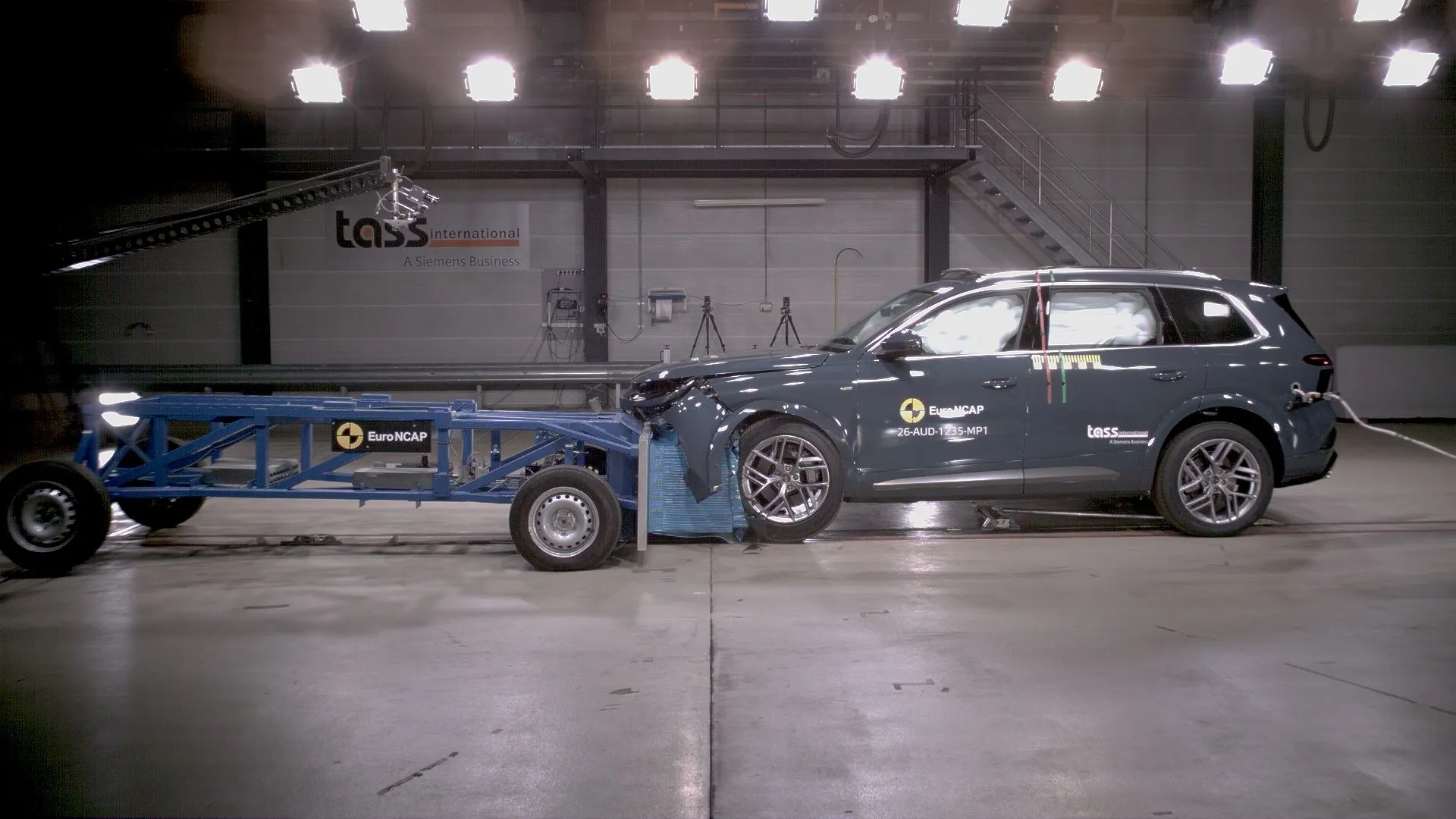
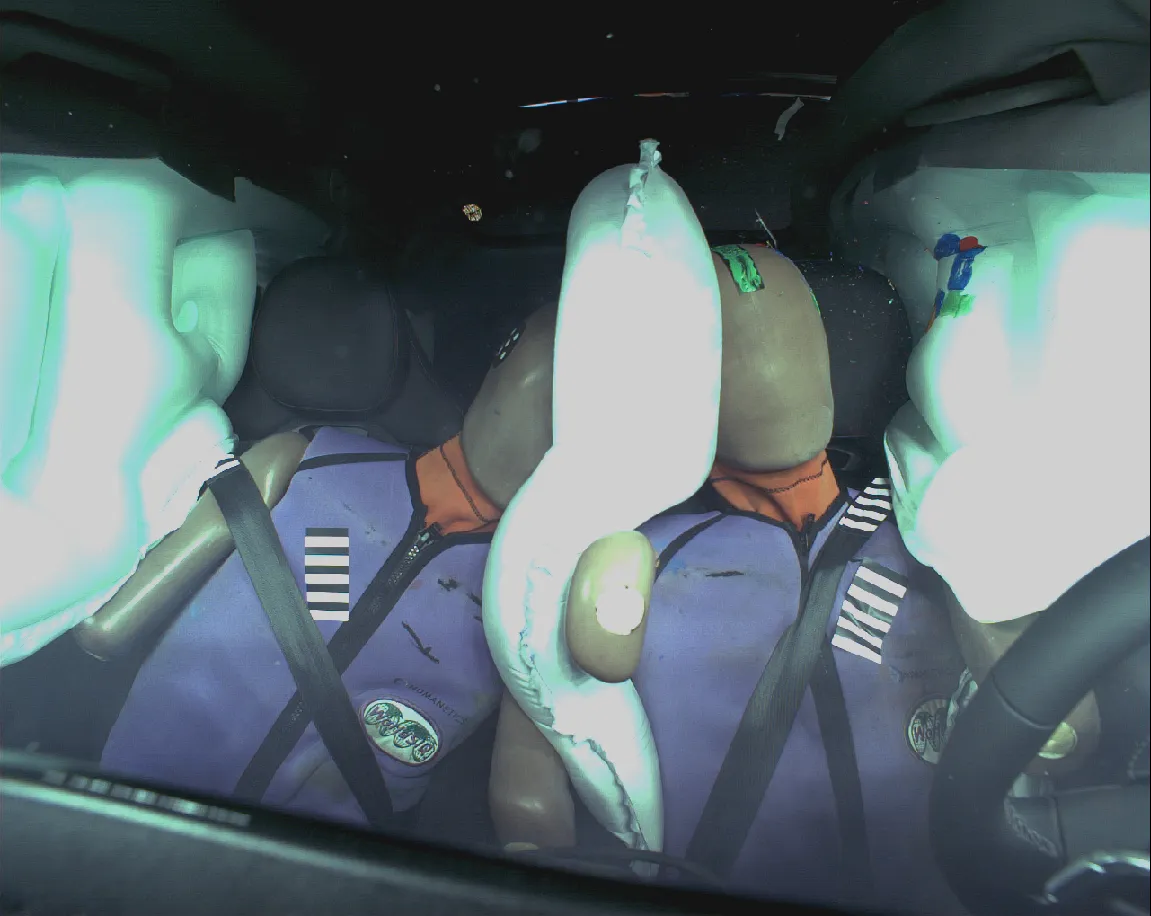
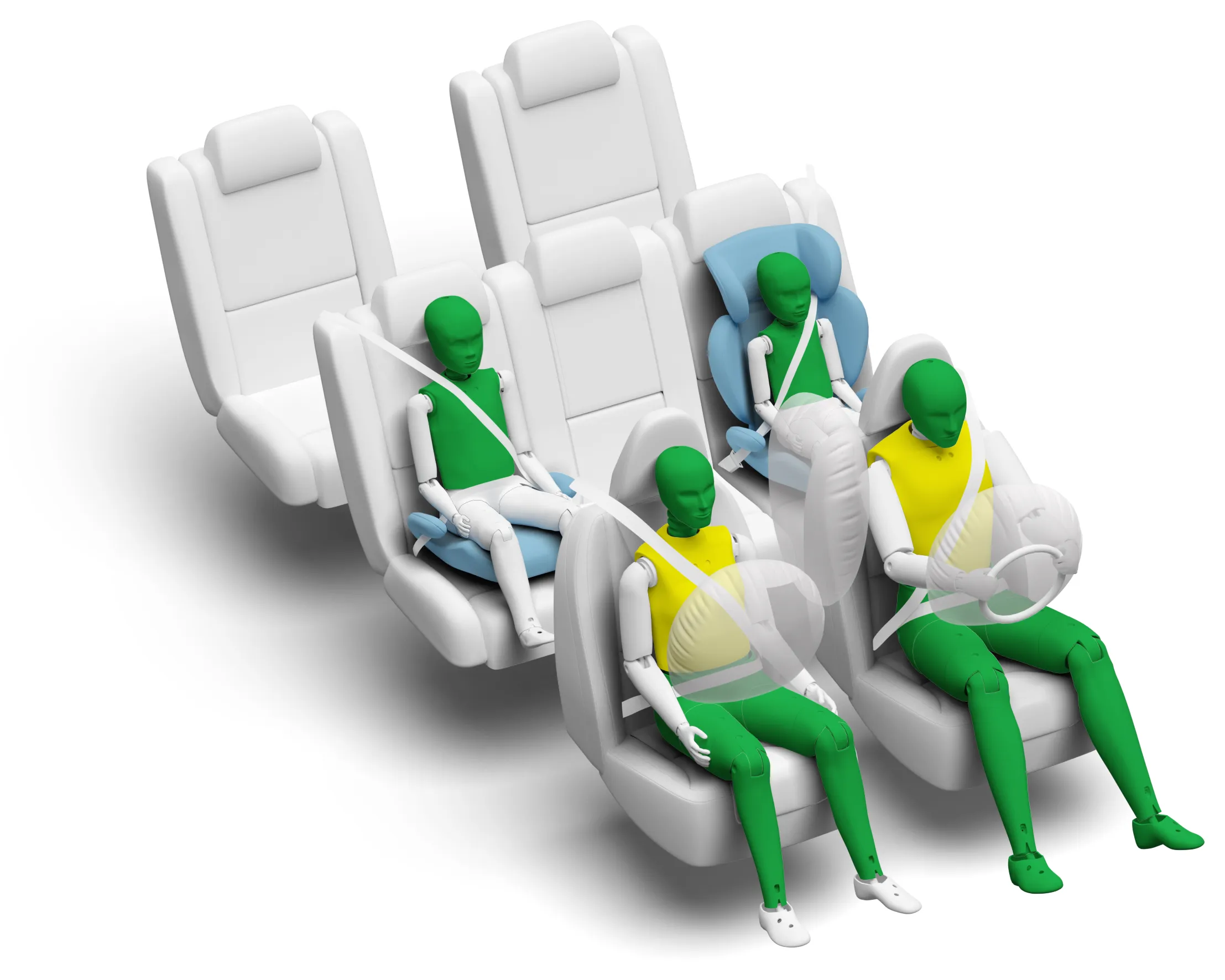
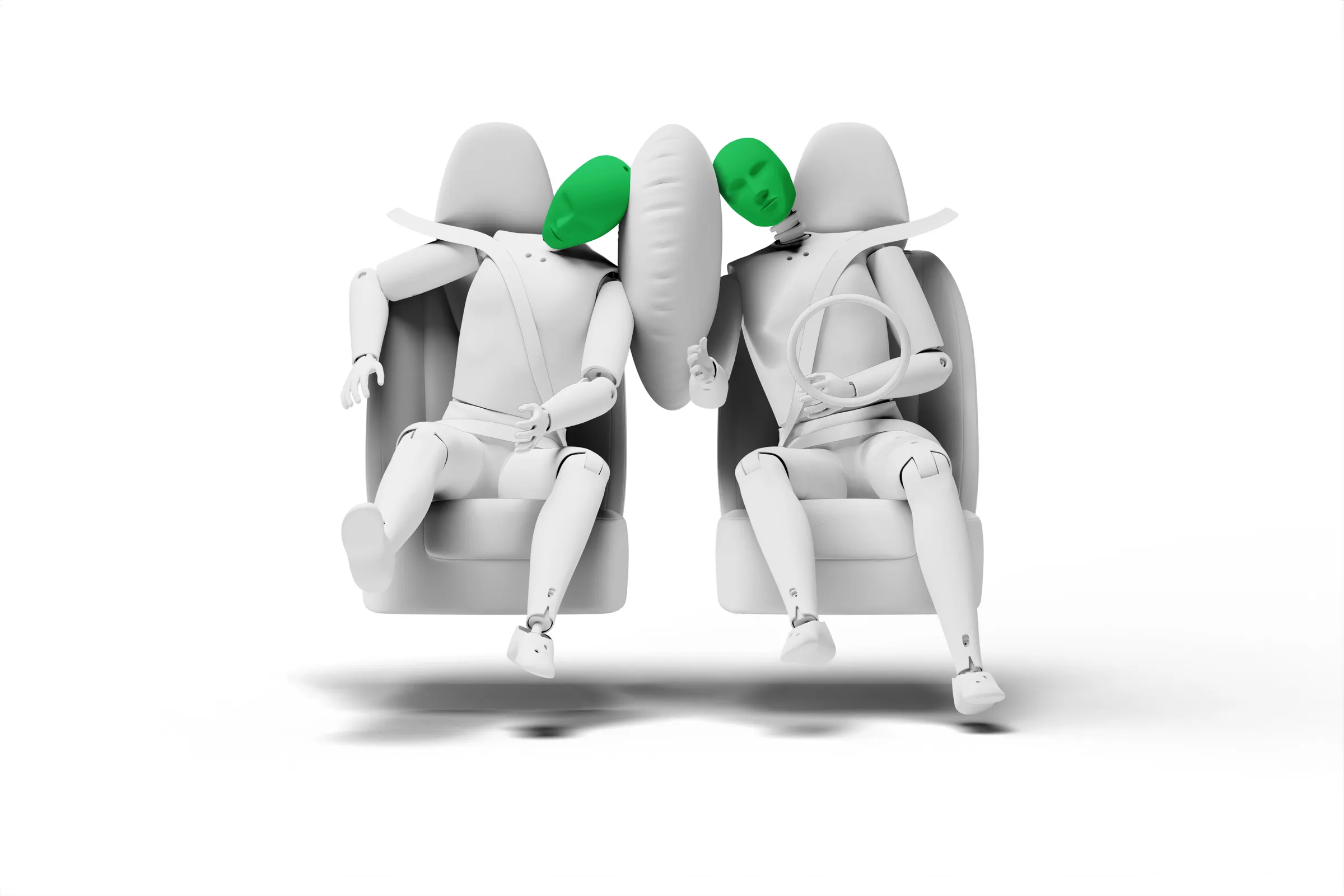
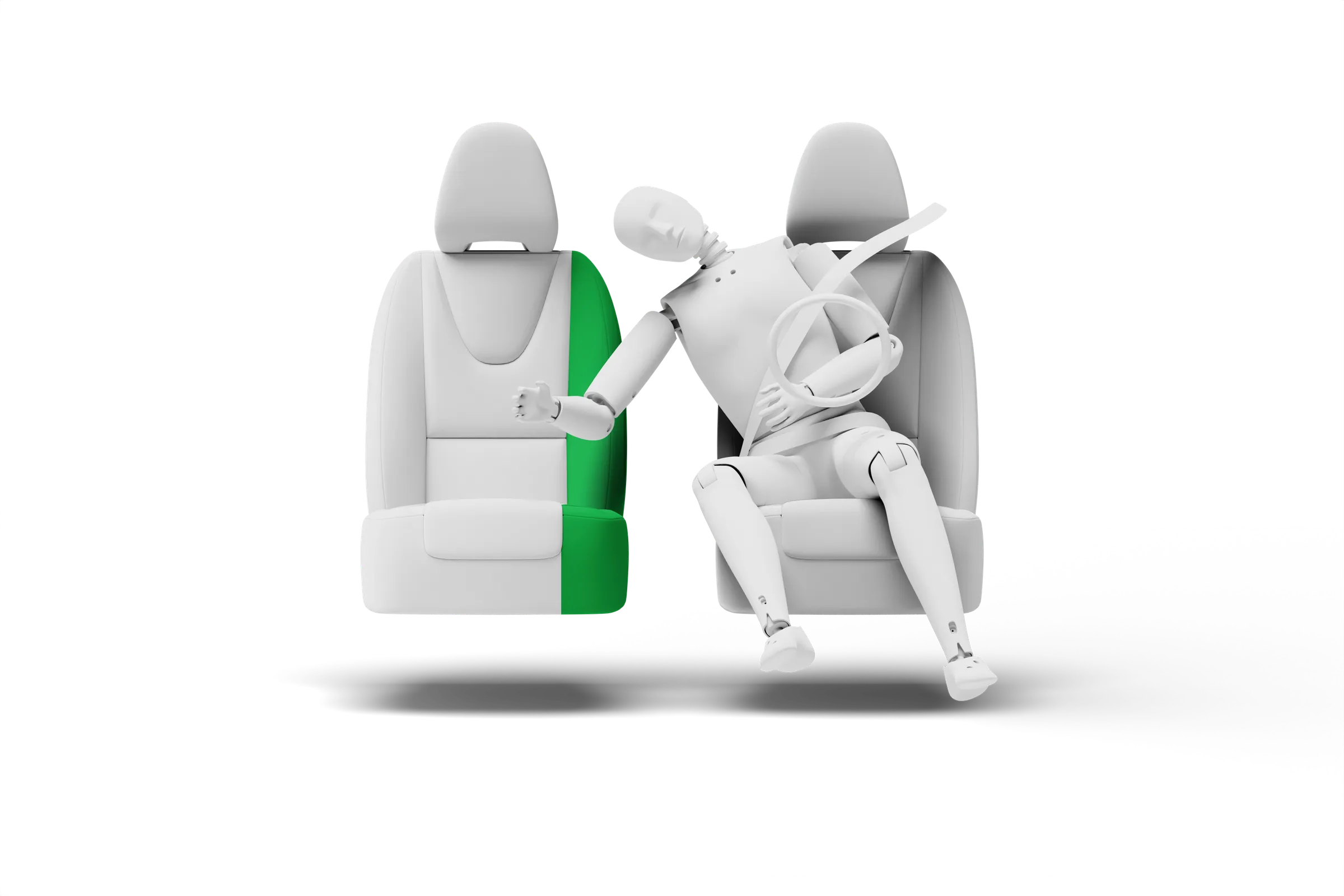
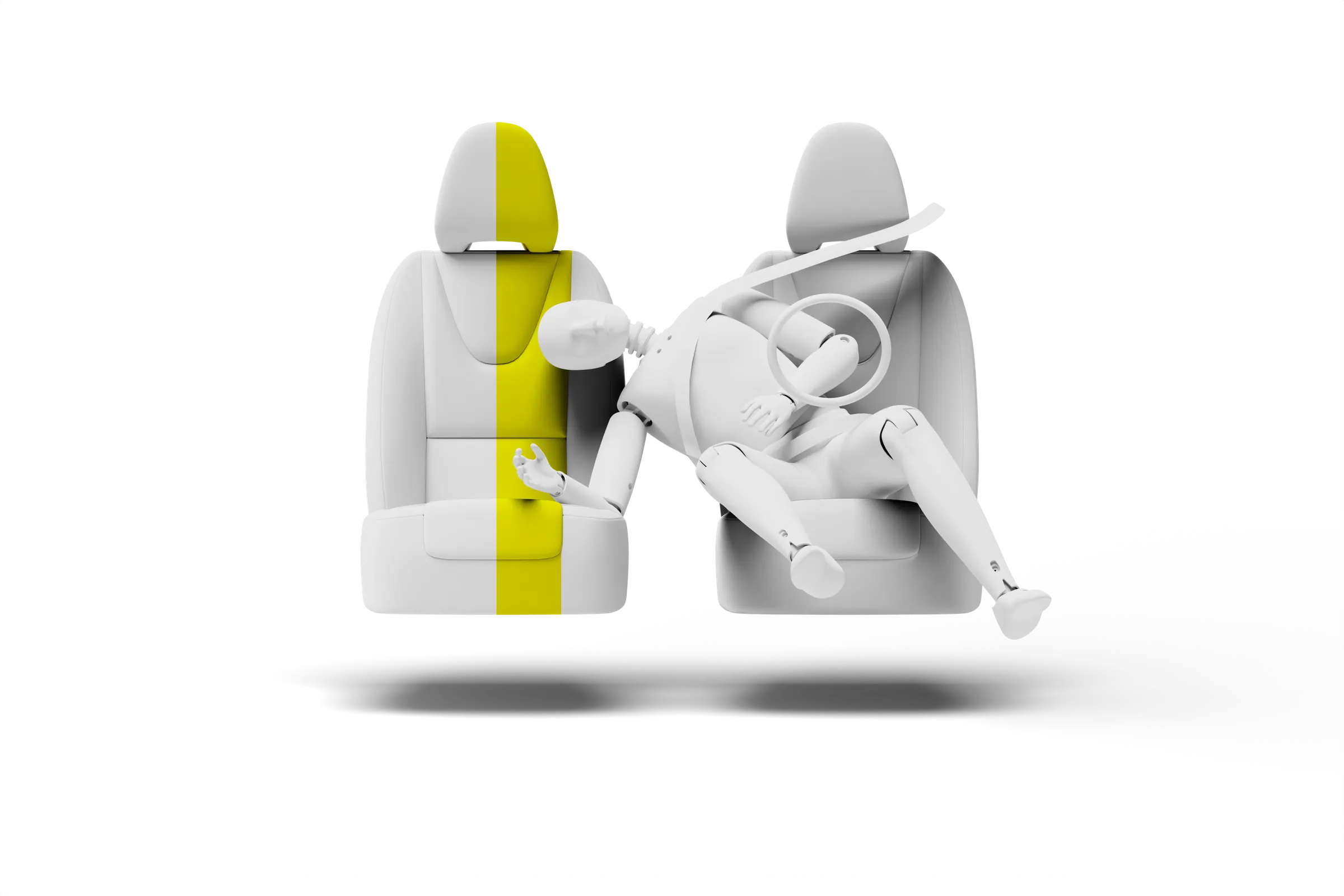
Protection of all occupants – adults and children - was good or adequate in both the frontal offset test and the full-width impact. Additional data and validated computer modelling demonstrated good or adequate protection in various combinations of test configuration and occupant stature. Analysis of the deceleration of the impact trolley during the test, and analysis of the deformable barrier after the test, revealed that the AUDI Q7 would be a somewhat aggressive impact partner in a frontal collision. Good protection was provided to all critical body areas in the side barrier test and in the more severe side pole impact. The Audi Q7 has a centre airbag to protect against occupant-to-occupant injuries in a side impact. The airbag performed well in Euro NCAP's test, with good protection of the front seat occupants' heads. Protection of vulnerable road users was mixed: generally good for the head of a struck pedestrian but poor for the head of a struck cyclist; good at all test points for the femur and the knee and tibia, but more mixed for the pelvis.
The Audi Q7 scored maximum points for post-crash safety. Third Party Service (TPS) eCall is available and, in the event of a crash, the advanced eCall system provides detailed information about the car's occupants and the type of impact sustained by the car. The Audi Q7 also scored full points for its provisions for quick and safe extrication by first responders.
The Audi Q7 emerges from Euro NCAP's most recent testing regime with a well-deserved 5 star rating with excellent scores in all four stages of safety.
The Audi Q7 correctly identifies seatbelt mis-use and recognises the presence of all rear seat occupants. There is no recognition of occupants sitting 'out of position', with their feet on the dashboard, for example, but occupant stature is correctly recognised, allowing the restraint system to be adjusted appropriately. The Audi Q7 is not equipped with Child Presence Detection as standard, which issues a warning if a child has been left unattended in the car. The driver monitoring system identifies driver fatigue and various types of distraction and phone use. The Q7 makes good use of manual controls for comfort and infotainment and scores full points for its driving controls. The speed assistance system of the Audi Q7 proved very effective. In a test drive of around 2000 km through Germany, Austria, Hungary and Slovenia, the system correctly identified the limit in 87 percent of cases, representing 95 percent of the distance covered. The car scored well in an evaluation of its adaptive cruise control system, relying more on emergency braking (assessed in Crash Avoidance) for vulnerable road users.
The Audi Q7 is equipped with all of the latest crash avoidance technologies, and scores well for most of them. The car protects against 'dooring', where a door is opened into the path of a cyclist approaching from behind.
Protection of all occupants – adults and children - was good or adequate in both the frontal offset test and the full-width impact. Additional data and validated computer modelling demonstrated good or adequate protection in various combinations of test configuration and occupant stature. Analysis of the deceleration of the impact trolley during the test, and analysis of the deformable barrier after the test, revealed that the AUDI Q7 would be a somewhat aggressive impact partner in a frontal collision. Good protection was provided to all critical body areas in the side barrier test and in the more severe side pole impact. The Audi Q7 has a centre airbag to protect against occupant-to-occupant injuries in a side impact. The airbag performed well in Euro NCAP's test, with good protection of the front seat occupants' heads. Protection of vulnerable road users was mixed: generally good for the head of a struck pedestrian but poor for the head of a struck cyclist; good at all test points for the femur and the knee and tibia, but more mixed for the pelvis.
The Audi Q7 scored maximum points for post-crash safety. Third Party Service (TPS) eCall is available and, in the event of a crash, the advanced eCall system provides detailed information about the car's occupants and the type of impact sustained by the car. The Audi Q7 also scored full points for its provisions for quick and safe extrication by first responders.
The Audi Q7 emerges from Euro NCAP's most recent testing regime with a well-deserved 5 star rating with excellent scores in all four stages of safety.
The Audi Q7 correctly identifies seatbelt mis-use and recognises the presence of all rear seat occupants. There is no recognition of occupants sitting 'out of position', with their feet on the dashboard, for example, but occupant stature is correctly recognised, allowing the restraint system to be adjusted appropriately. The Audi Q7 is not equipped with Child Presence Detection as standard, which issues a warning if a child has been left unattended in the car. The driver monitoring system identifies driver fatigue and various types of distraction and phone use. The Q7 makes good use of manual controls for comfort and infotainment and scores full points for its driving controls. The speed assistance system of the Audi Q7 proved very effective. In a test drive of around 2000 km through Germany, Austria, Hungary and Slovenia, the system correctly identified the limit in 87 percent of cases, representing 95 percent of the distance covered. The car scored well in an evaluation of its adaptive cruise control system, relying more on emergency braking (assessed in Crash Avoidance) for vulnerable road users.
The Audi Q7 is equipped with all of the latest crash avoidance technologies, and scores well for most of them. The car protects against 'dooring', where a door is opened into the path of a cyclist approaching from behind.
Protection of all occupants – adults and children - was good or adequate in both the frontal offset test and the full-width impact. Additional data and validated computer modelling demonstrated good or adequate protection in various combinations of test configuration and occupant stature. Analysis of the deceleration of the impact trolley during the test, and analysis of the deformable barrier after the test, revealed that the AUDI Q7 would be a somewhat aggressive impact partner in a frontal collision. Good protection was provided to all critical body areas in the side barrier test and in the more severe side pole impact. The Audi Q7 has a centre airbag to protect against occupant-to-occupant injuries in a side impact. The airbag performed well in Euro NCAP's test, with good protection of the front seat occupants' heads. Protection of vulnerable road users was mixed: generally good for the head of a struck pedestrian but poor for the head of a struck cyclist; good at all test points for the femur and the knee and tibia, but more mixed for the pelvis.
The Audi Q7 scored maximum points for post-crash safety. Third Party Service (TPS) eCall is available and, in the event of a crash, the advanced eCall system provides detailed information about the car's occupants and the type of impact sustained by the car. The Audi Q7 also scored full points for its provisions for quick and safe extrication by first responders.


Seatbelt usage | |
Correct belt routing | 0% |
Rear seat occupancy | 100% |
Occupant classification | |
Passenger airbag status | 100% |
Out of position | 0% |
Stature classification | 100% |
Occupant presence | |
Child presence detection | 0% |
Crash occupancy information | 80% |
Driver monitoring | |
Distraction | 70% |
Impairment | 80% |
Driving controls | |
Driving | 100% |
Comfort & infotainment | 80% |
Speed assistance | |
Speed limit information | 75% |
Speed control function | 100% |
Adaptive Cruise Control performance | |
Car-to-car | 90% |
Car-to-motorcyclist | 94% |
Car-to-VRU | 50% |
Additional features | |
Steering assistance | |
Steering assistance | 100% |
Lane change assist | 0% |
Car & motorcyclist | |
Rear-end & head-on | 93% |
Junction – turning | 95% |
Junction – crossing | 54% |
Pedestrian & cyclist | |
Moving in same direction | 92% |
Turning | 67% |
Crossing | 72% |
Single vehicle | |
Driver acceptance | 100% |
Lane departure | 88% |
Car & motorcyclist | |
Car-to-car | 95% |
Car-to-motorcyclist | 64% |
Car & motorcyclist | |
Junction – turning | 100% |
Junction – crossing | 86% |
Pedestrian & cyclist | |
Crossing | 33% |
Manoeuvring | 30% |
Dooring | 100% |
Offset | |
Driver | 95% |
Front passenger | 95% |
Rear passengers | 100% |
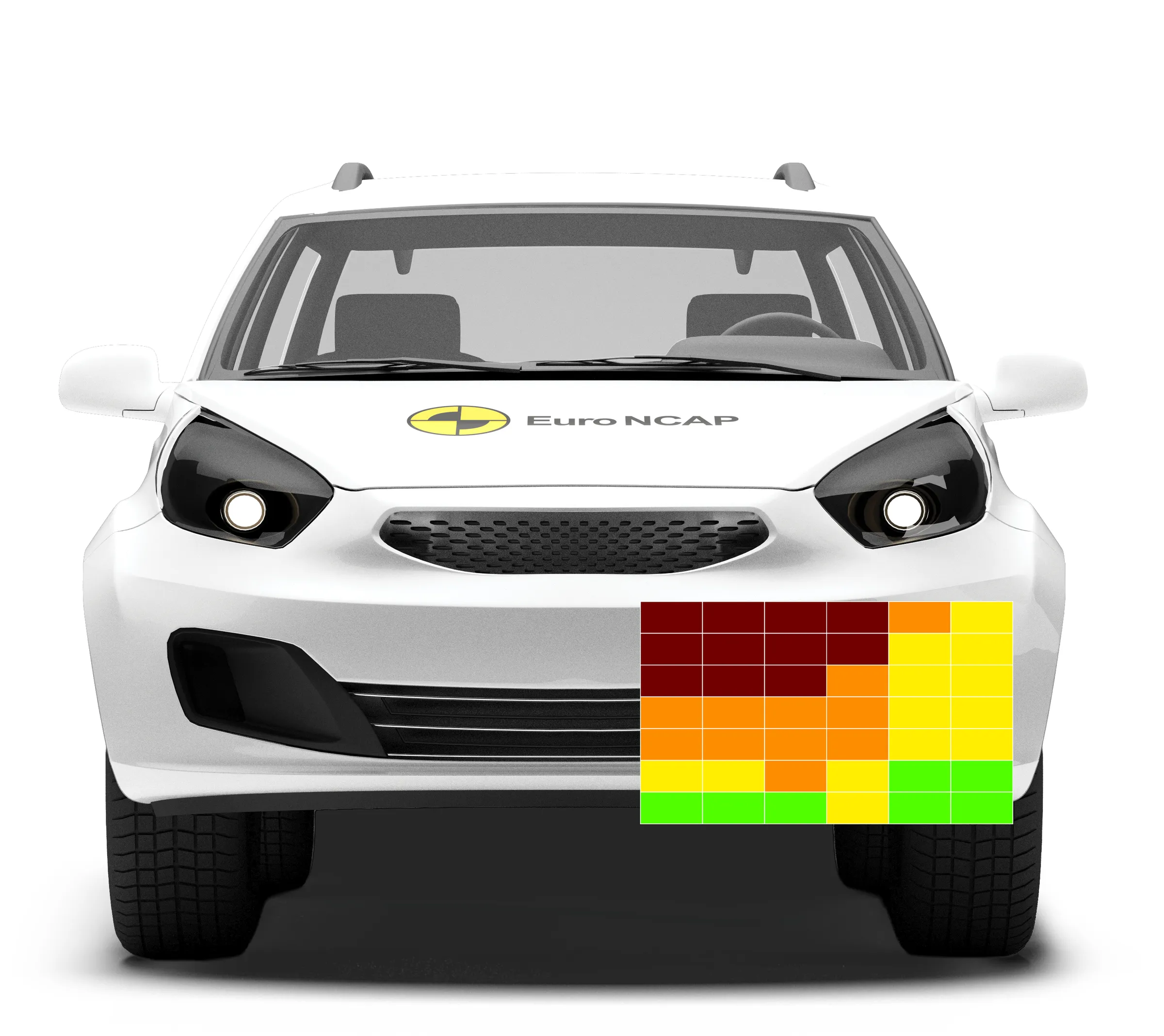
Full width | |
Driver | 95% |
Front passenger | 95% |
Rear passenger | 90% |
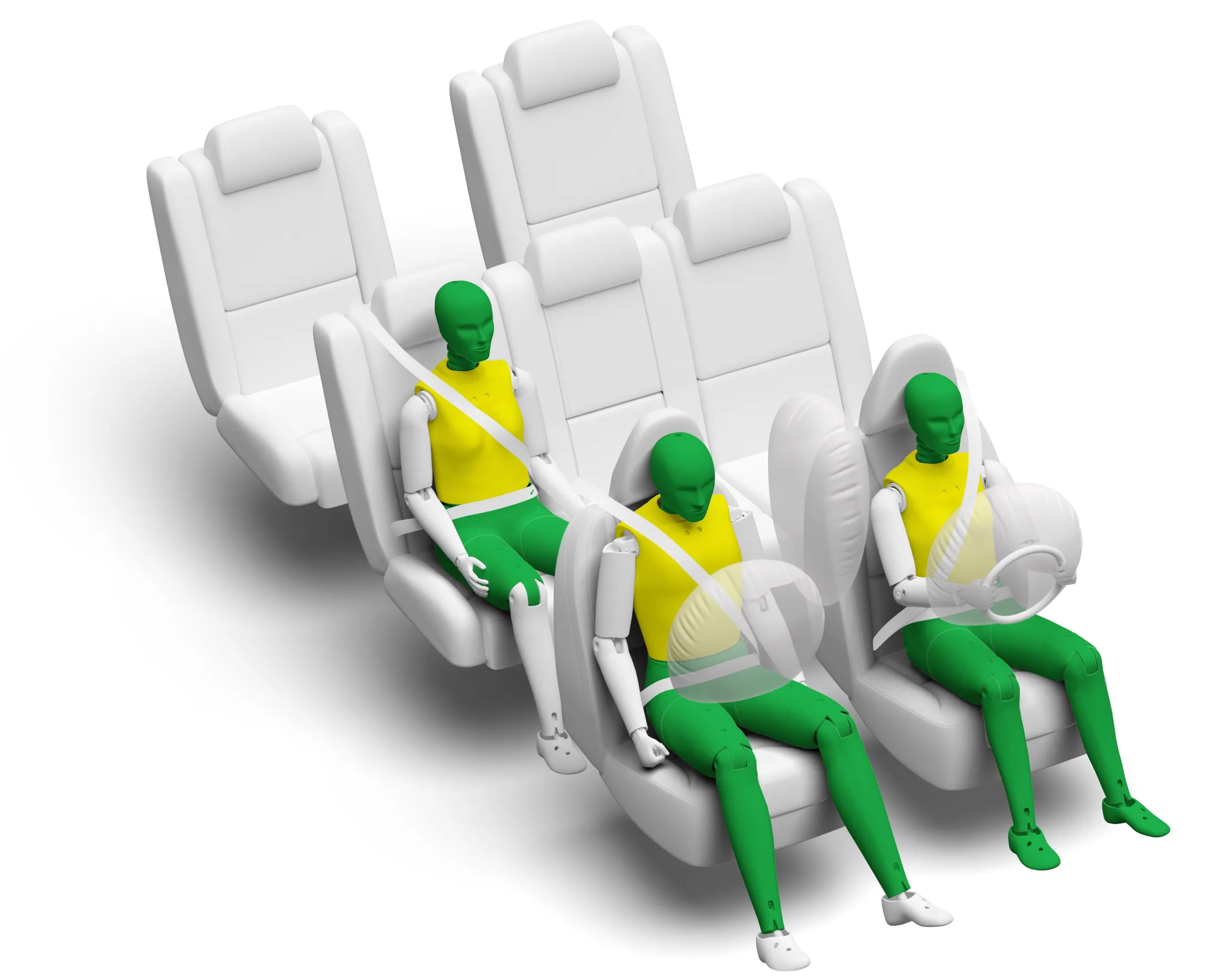
Virtual testing & sled | |
Driver | 92% |
Front passenger | 97% |
35 km/h | 50 km/h | 56 km/h | ||||||||||
5th | 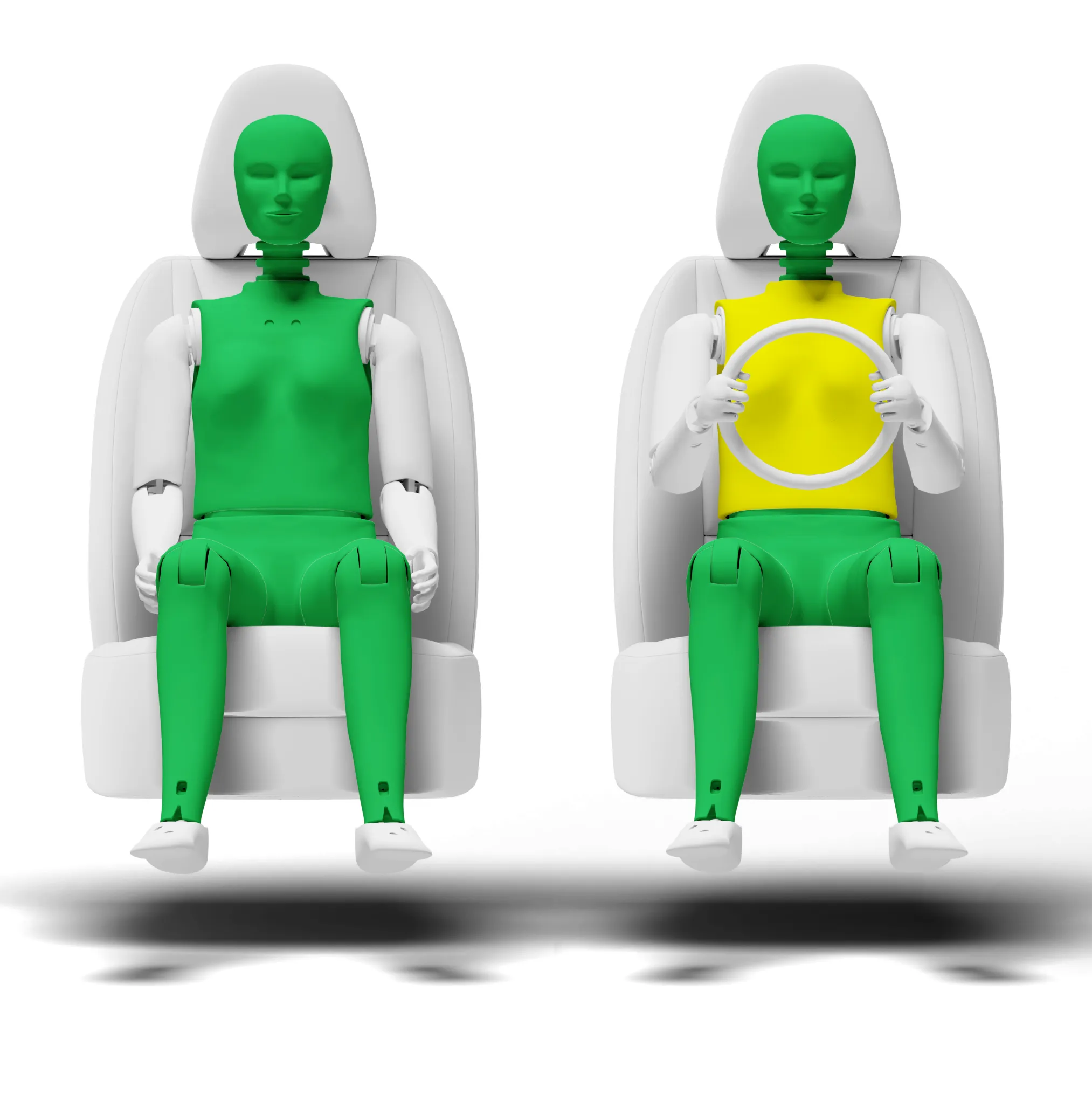 |  | 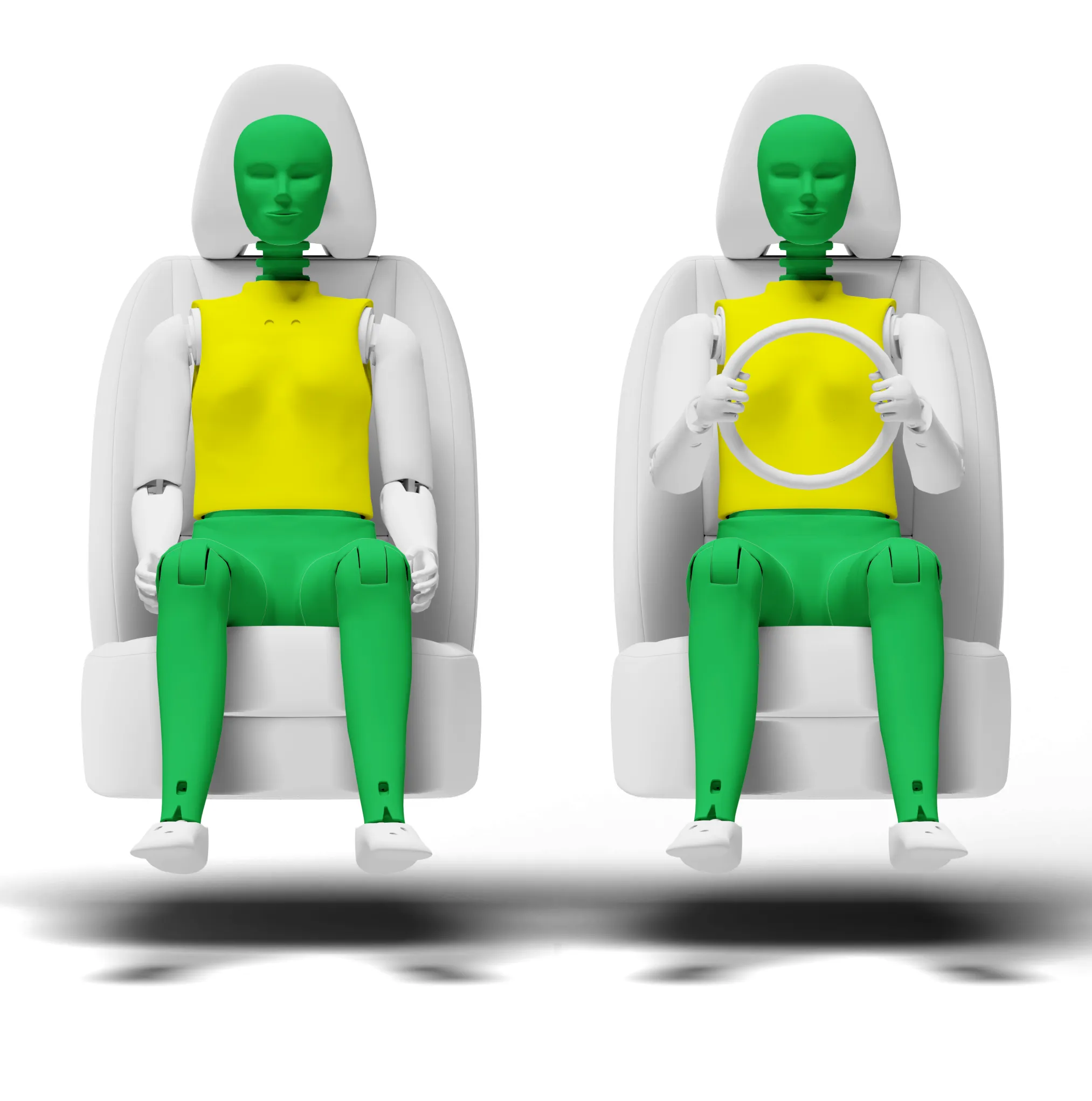 | |||||||||
50th | 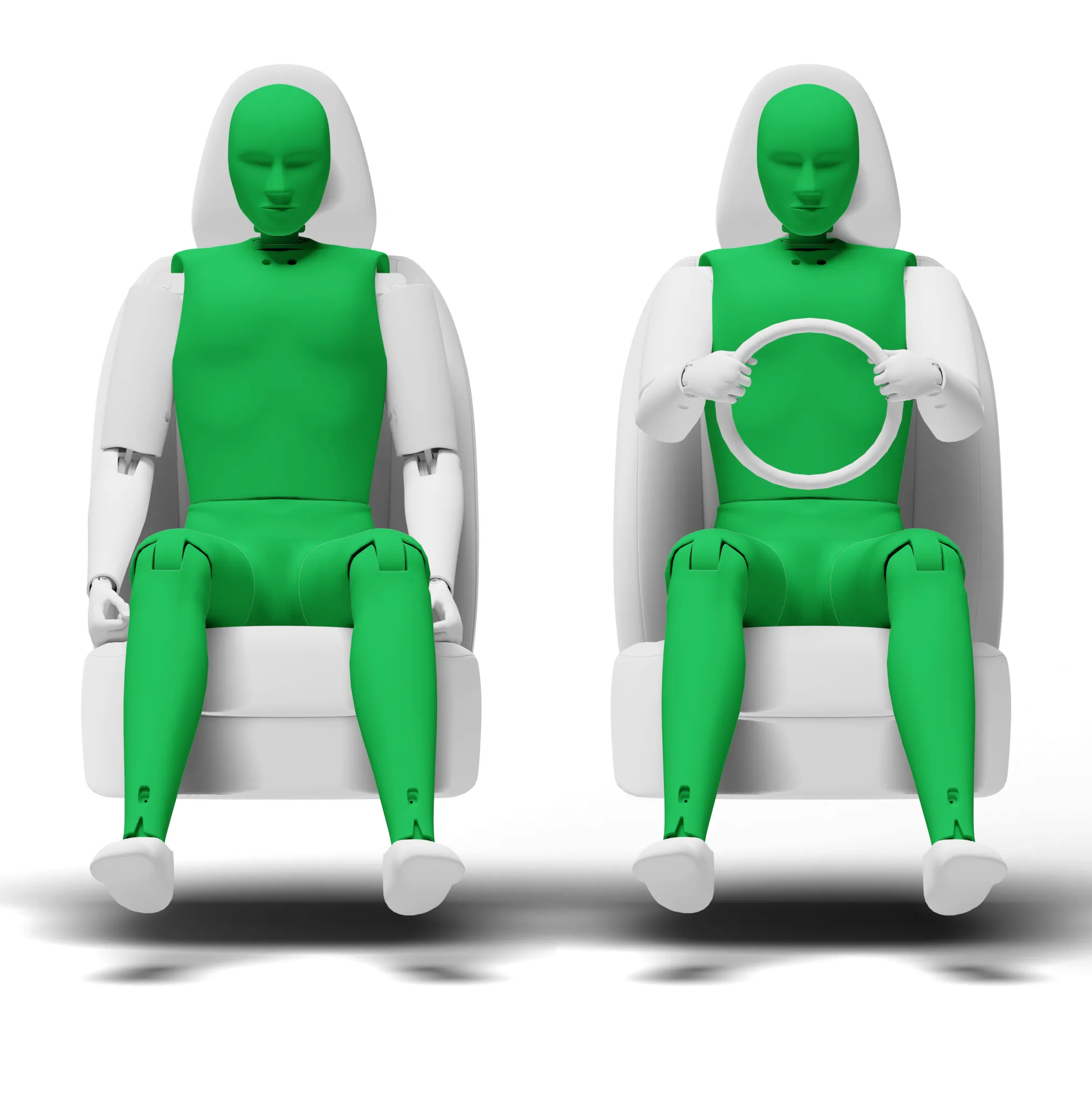 | 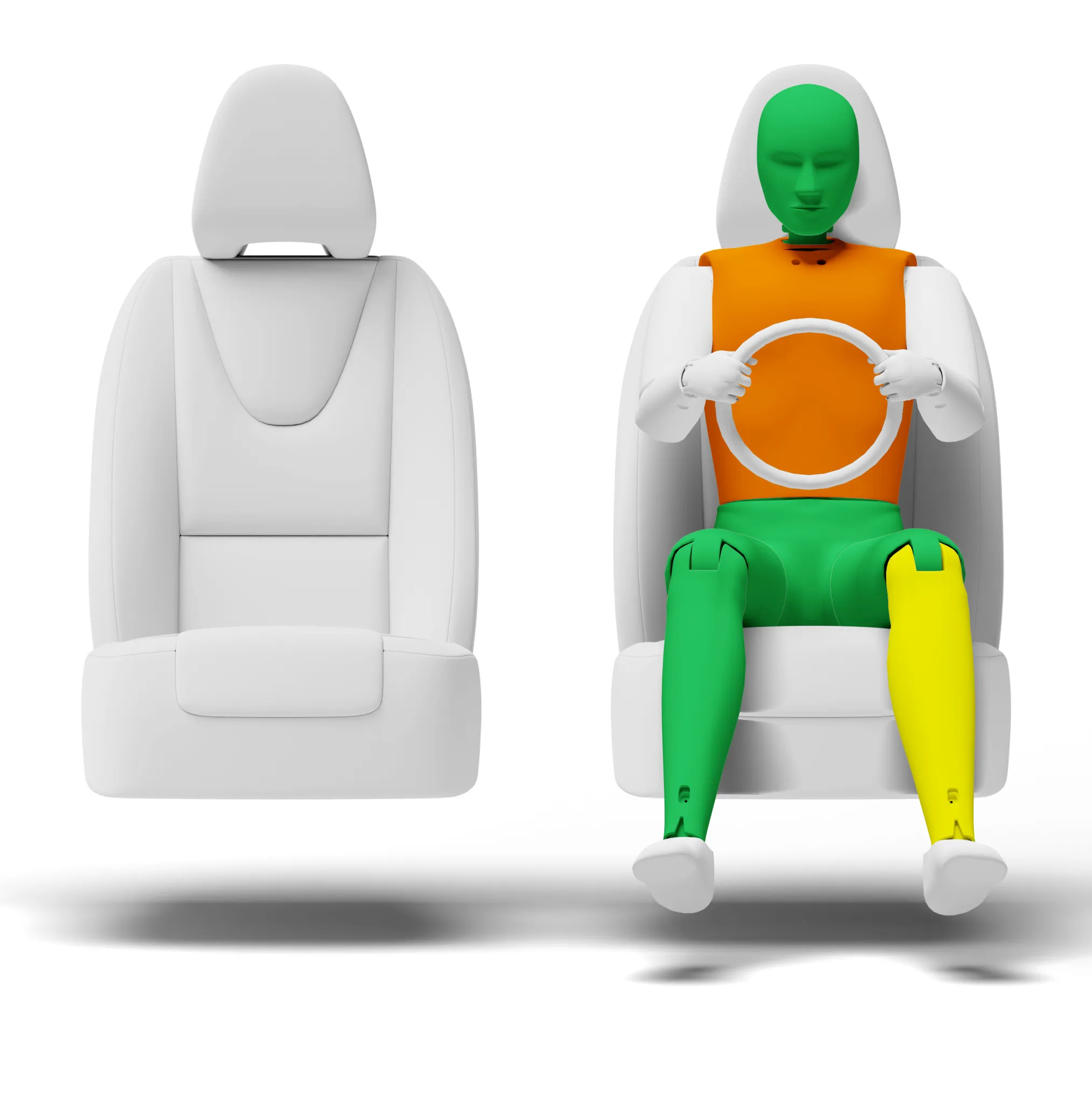 |  | |||||||||
95th |  | 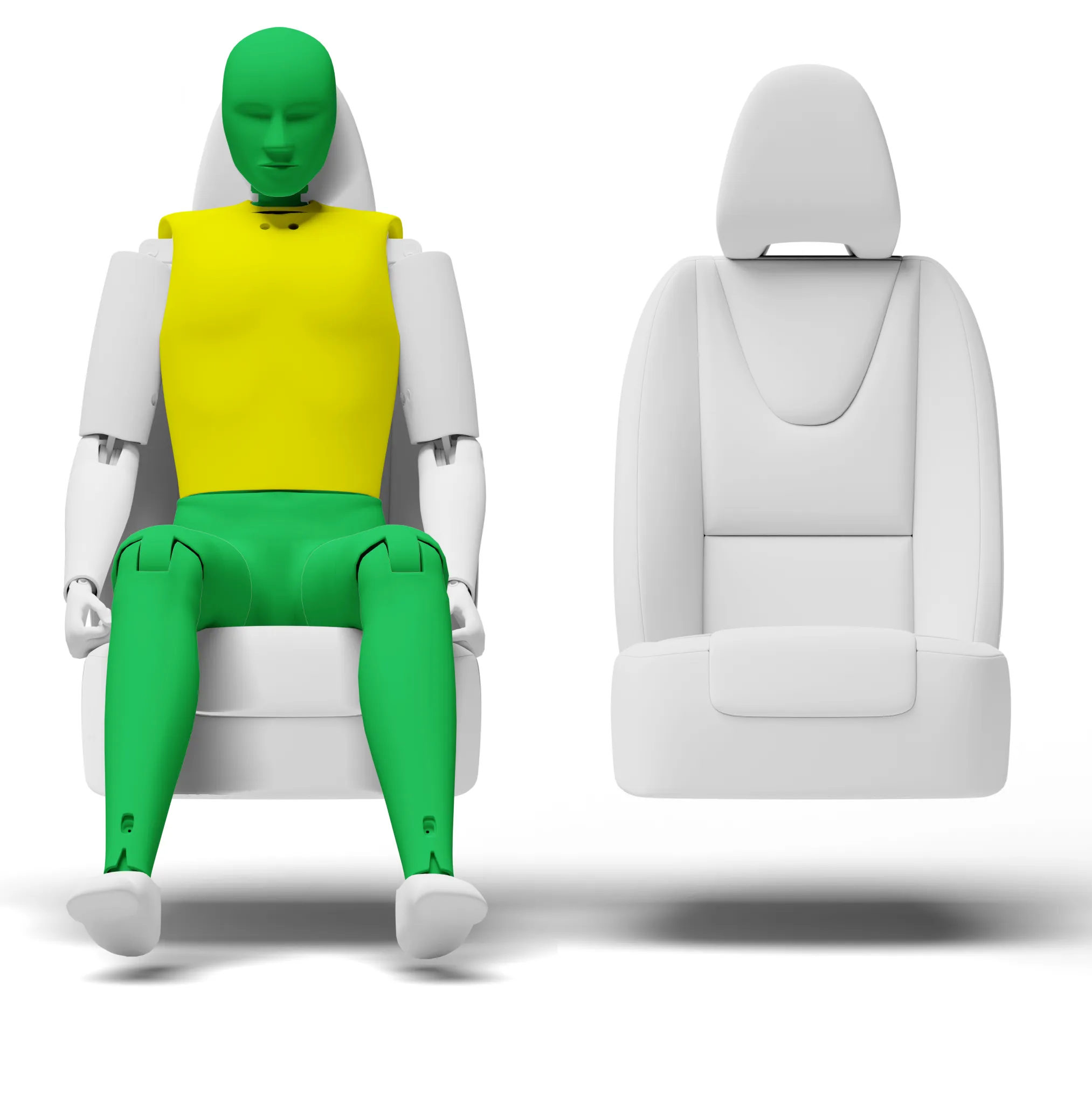 | 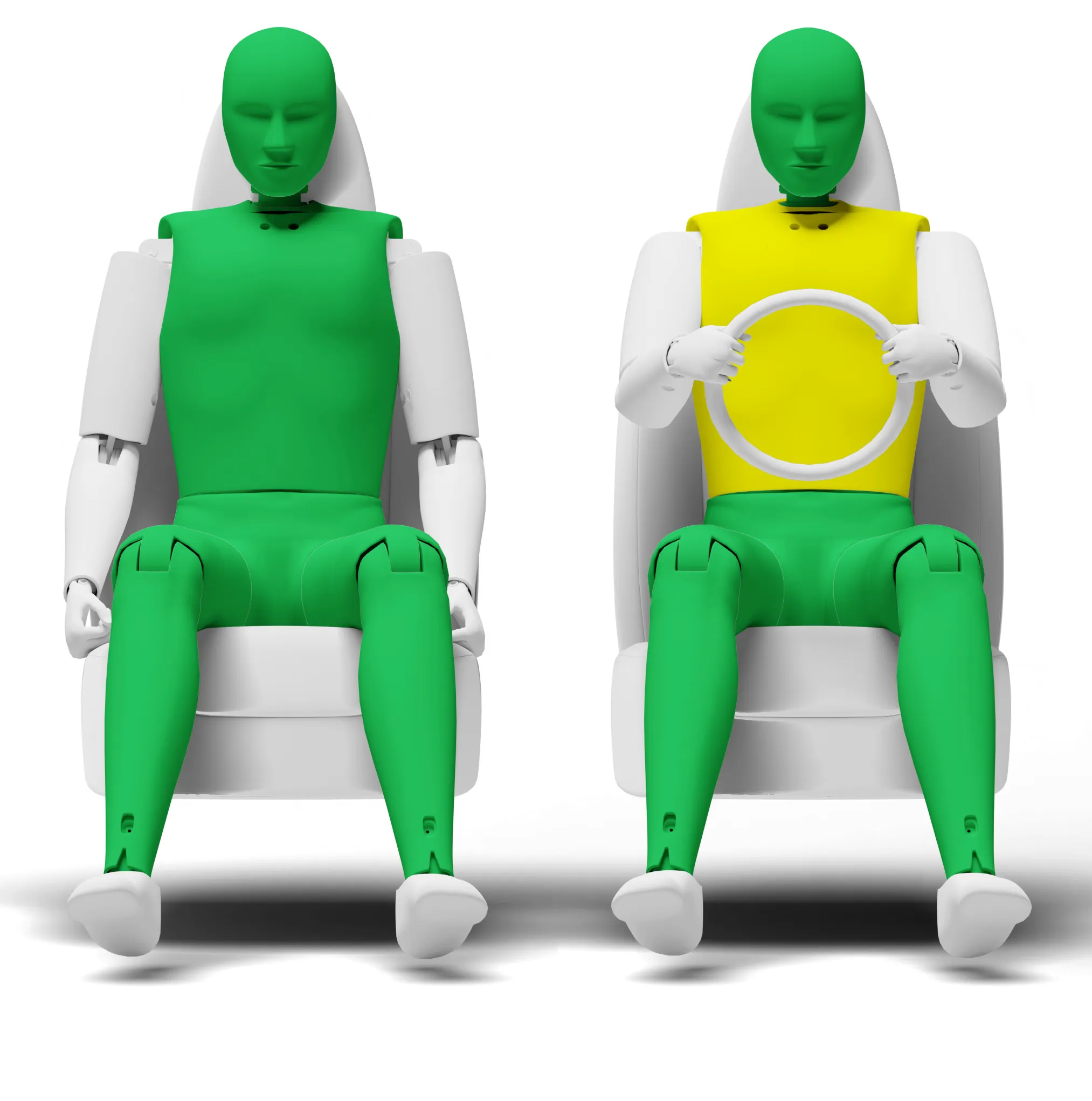 | |||||||||
Side mobile barrier | |
Driver | 100% |
Rear passengers | 100% |
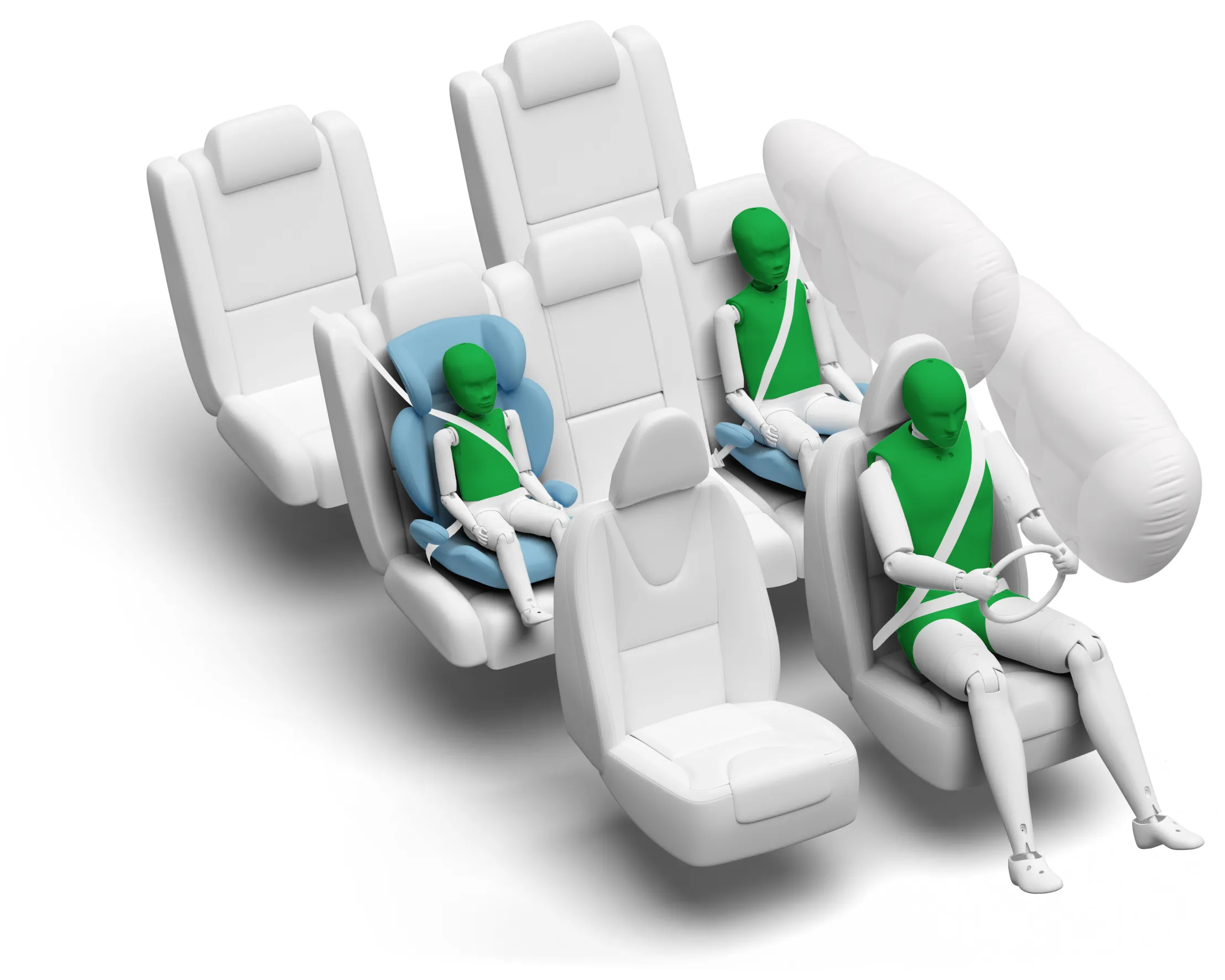
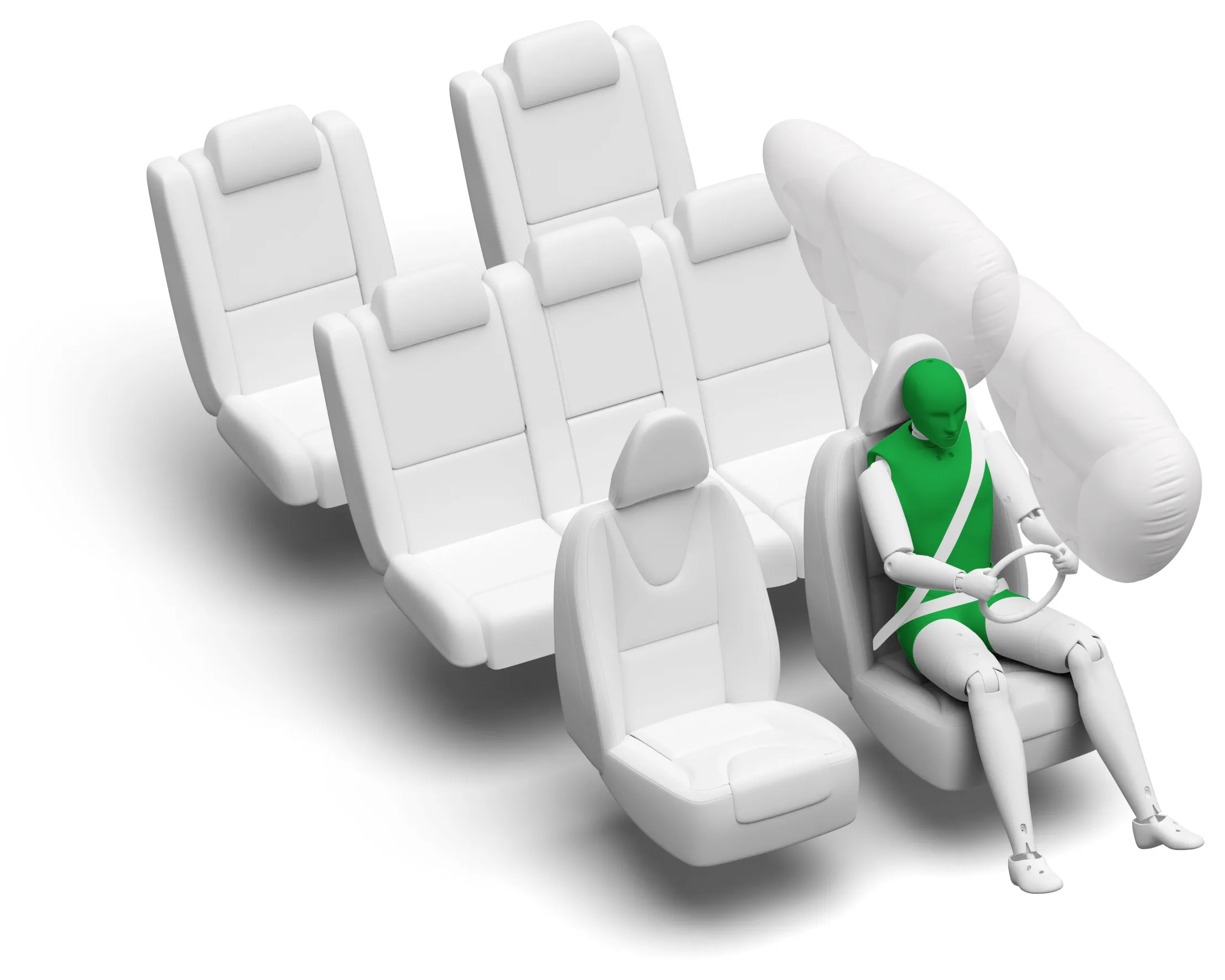
Side pole | |
Driver | 100% |
Far-side | |
Occupant-to-occupant | 100% |
Side mobile barrier | 100% |
Side pole | 100% |
Dynamic | |
Driver | 73% |
Static | |
Front passengers | 100% |
Rear passengers | 100% |
Head impact | |
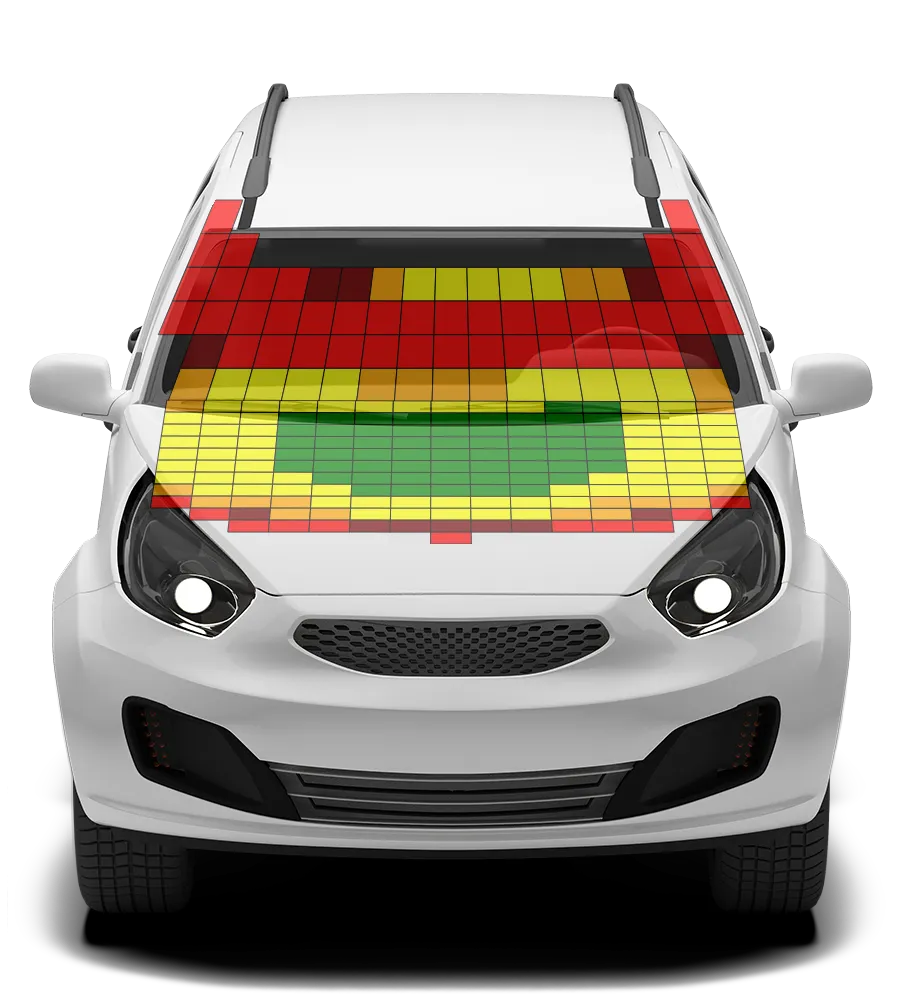
Cyclist | 23% |
Adult pedestrian | 87% |
Child pedestrian | 58% |
Pelvis & leg impact | |
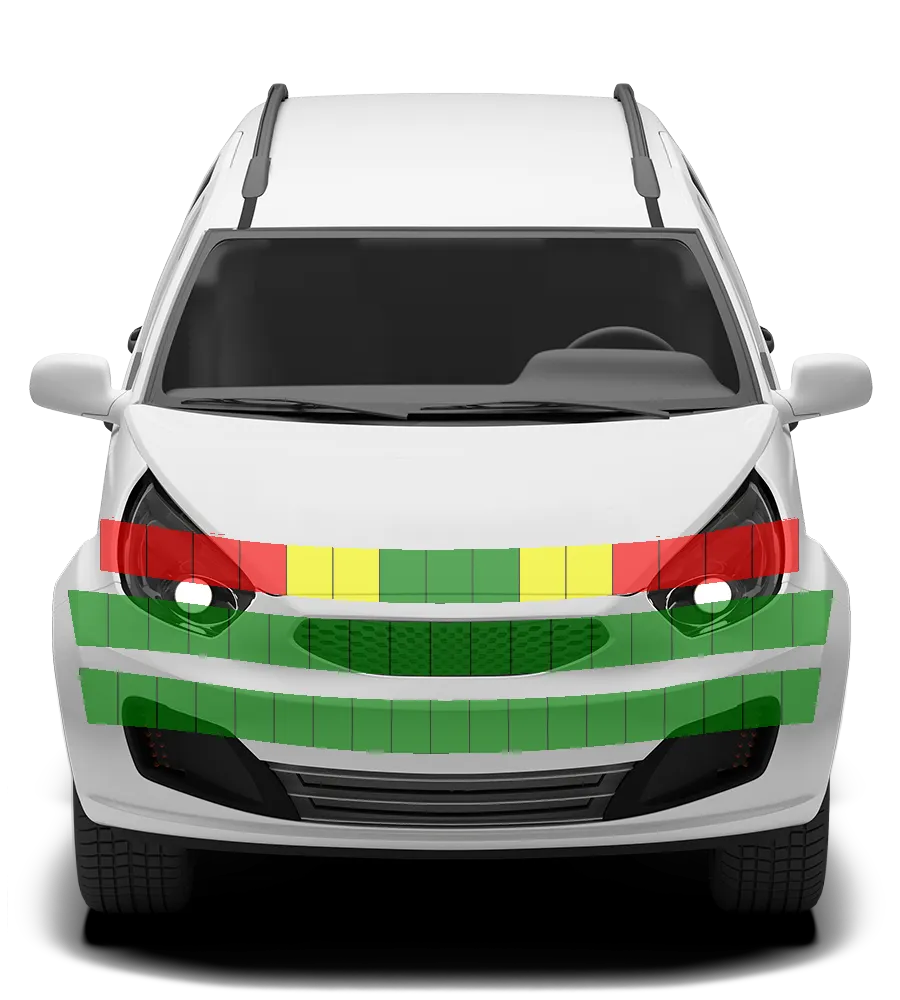
Pelvis | 40% |
Femur | 100% |
Knee & tibia | 100% |
Child seat installation check | |
i-Size | |
Isofix | |
Seatbelt attached |


Rescue information | |
100% | |
Rescue guide | 100% |
Post crash intervention | |
Advanced eCall | 100% |
Hazard light activation | 100% |
Vehicle extrication | |
Energy management | 100% |
Occupant extrication | 100% |
Occupant monitoring | |
Advanced seatbelt reminder |  |
Airbag cut-off switch | |
Occupant stature classification |  |
Child presence detection | |
Driver engagement | |
Distraction detection | |
Fatigue detection | |
Vehicle assistance | |
Advanced speed assist system | |
Adaptive Cruise Control |  |
Steering assistance | |
Frontal collision | |
Advanced Autonomous Emergency Braking | |
Lane departure collision | |
Advanced Emergency Lane Keeping | |
Blind Spot Monitoring | |
Low speed collision | |
Low speed Autonomous Emergency Braking | |
Reverse Autonomous Emergency Braking | |
Cyclist dooring | |
Driver | Front passenger | Rear passenger | |
Child safety | |||
Isofix / i-Size | | | |
Integrated child seat | | | |
Frontal impact | |||
Front airbag | | | |
Adaptive seatbelt | | | |
Side impact | |||
Side head airbag | | | |
Side chest / pelvis airbag | | | |
Centre airbag | | | |
VRU impact | |||
Active pedestrian protection | | ||
Post crash intervention | |
Advanced eCall | |
Multi-collision brake | |
Vehicle extrication | |
Automatic high-voltage deactivation | |
Automatic door unlocking | |
Note: other equipment may be available on the vehicle but was not considered in the test year


Date | Event | Rating | Validity |
|---|---|---|---|
2026-10-12 | Rating Published | |
Body type | Variant description | Drivetrain | Rating applies LHD | Rating applies RHD |
|---|---|---|---|---|
5 door SUV | Diesel - TDI quattro 220kW* | 4x4 | | |
5 door SUV | Diesel - TDI quattro 180kW | 4x4 | | |
5 door SUV | Petrol - TFSI quattro 270kW | 4x4 | | |
5 door SUV | PHEV - TFSI eHybrid 360kW | 4x4 | | |
5 door SUV | PHEV - TFSI eHybrid 290kW | 4x4 | | |


