

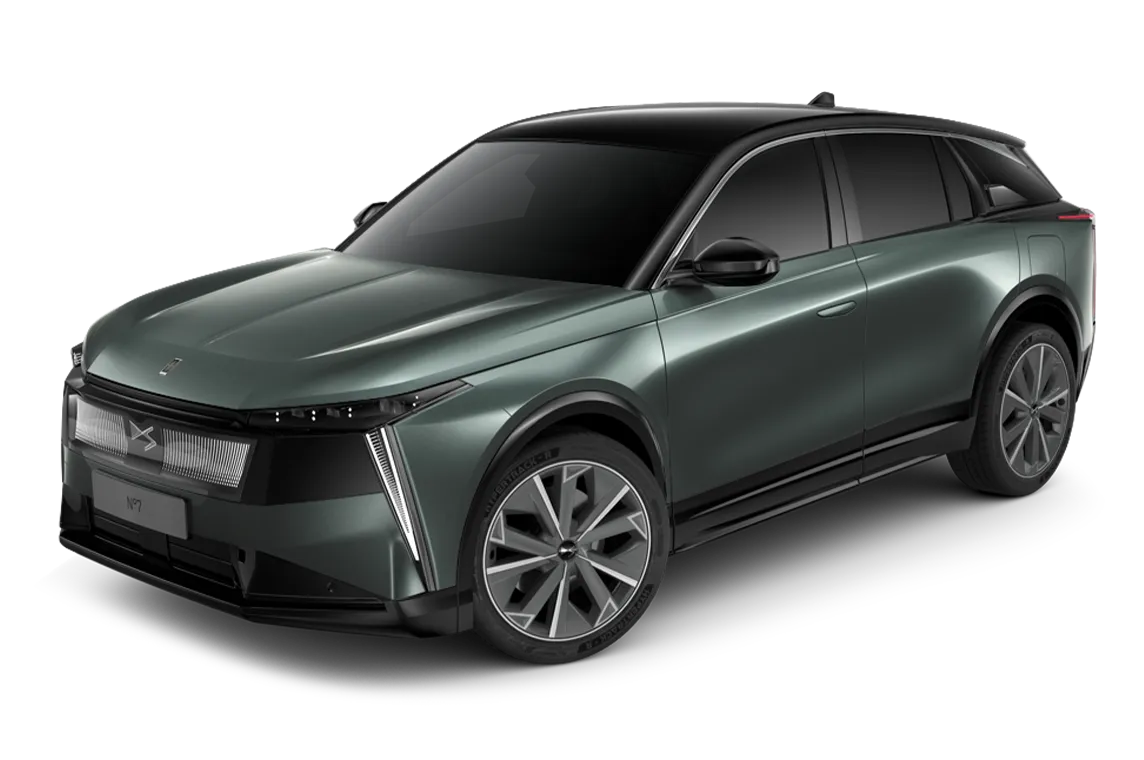
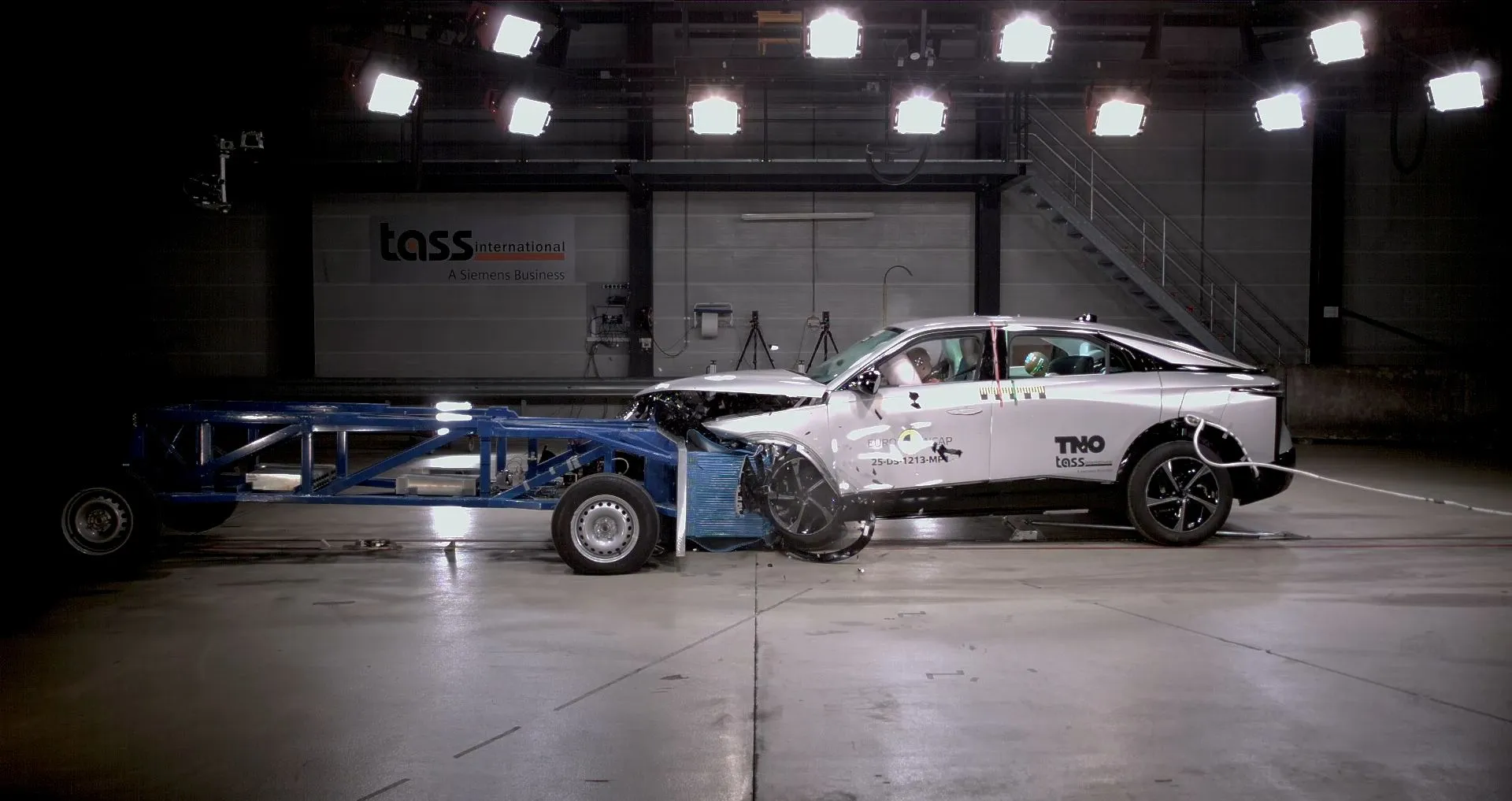
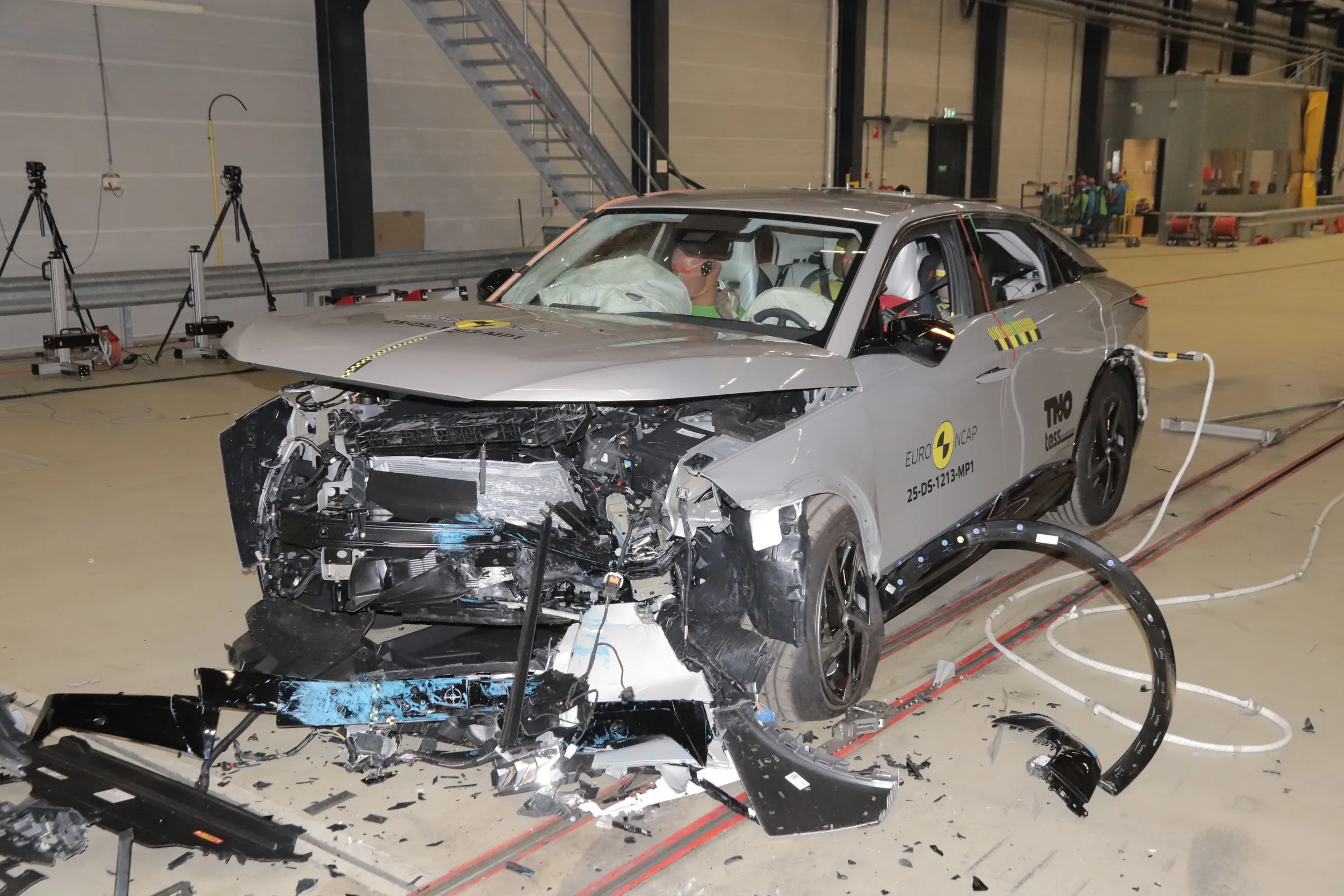
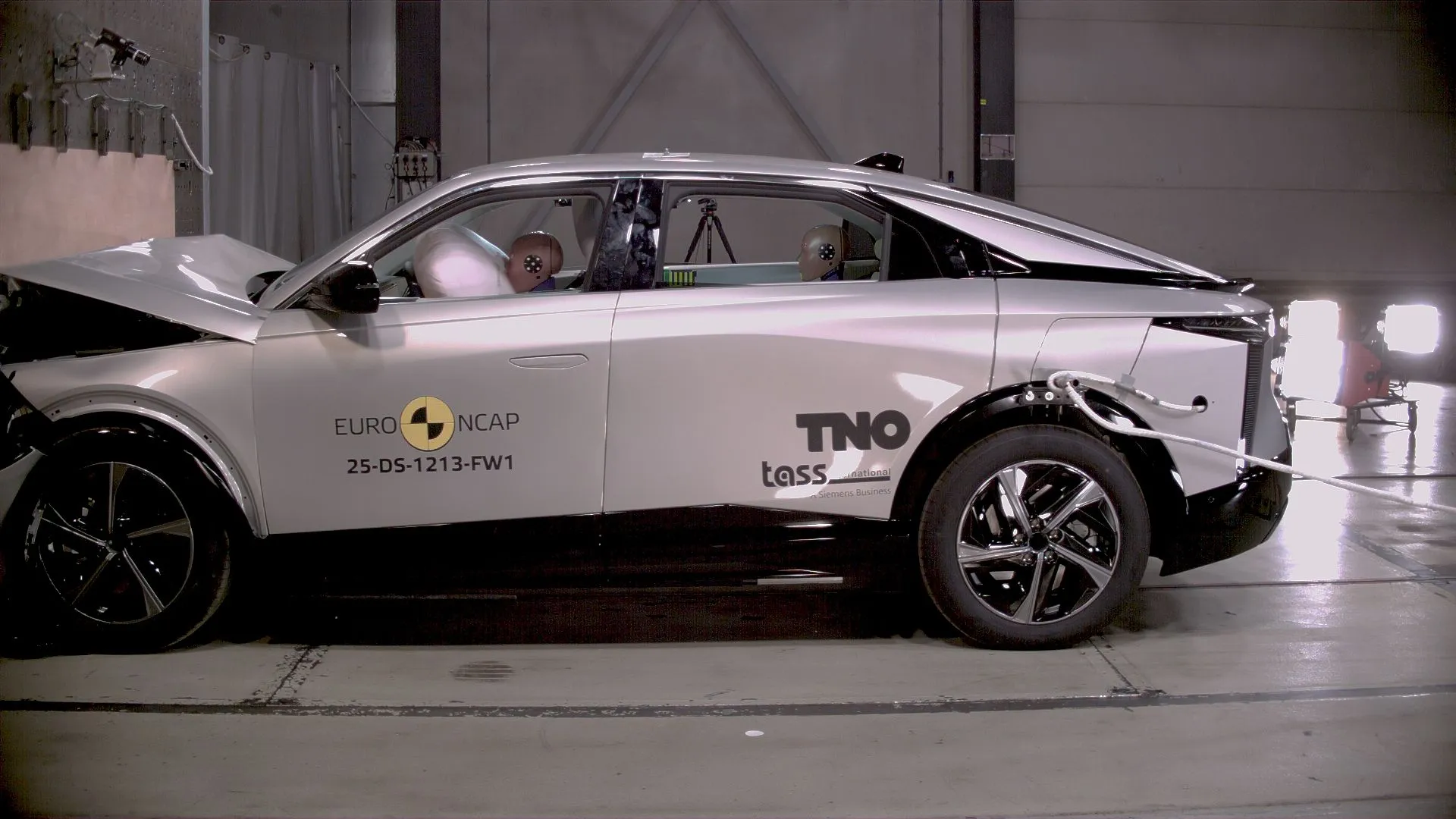
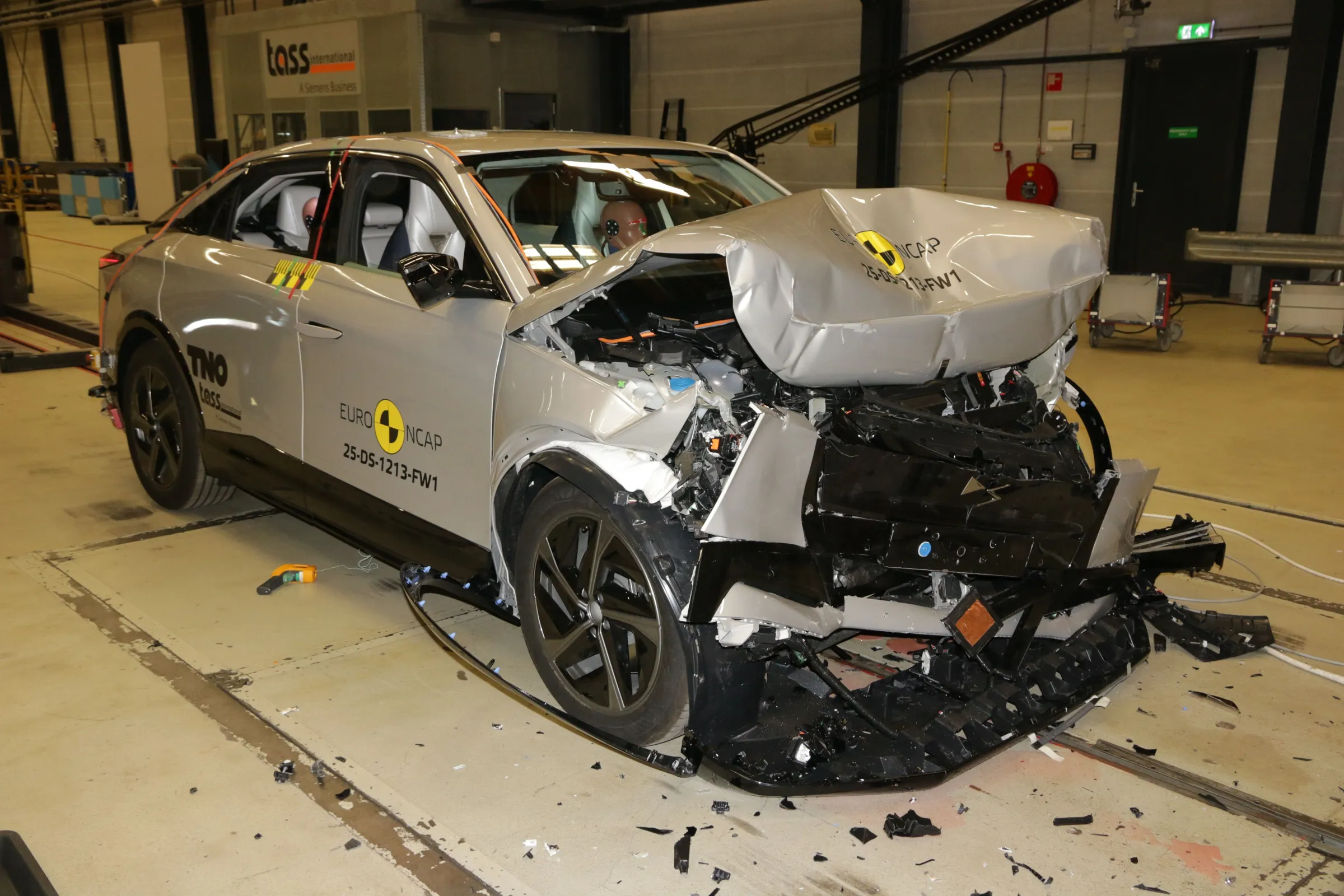
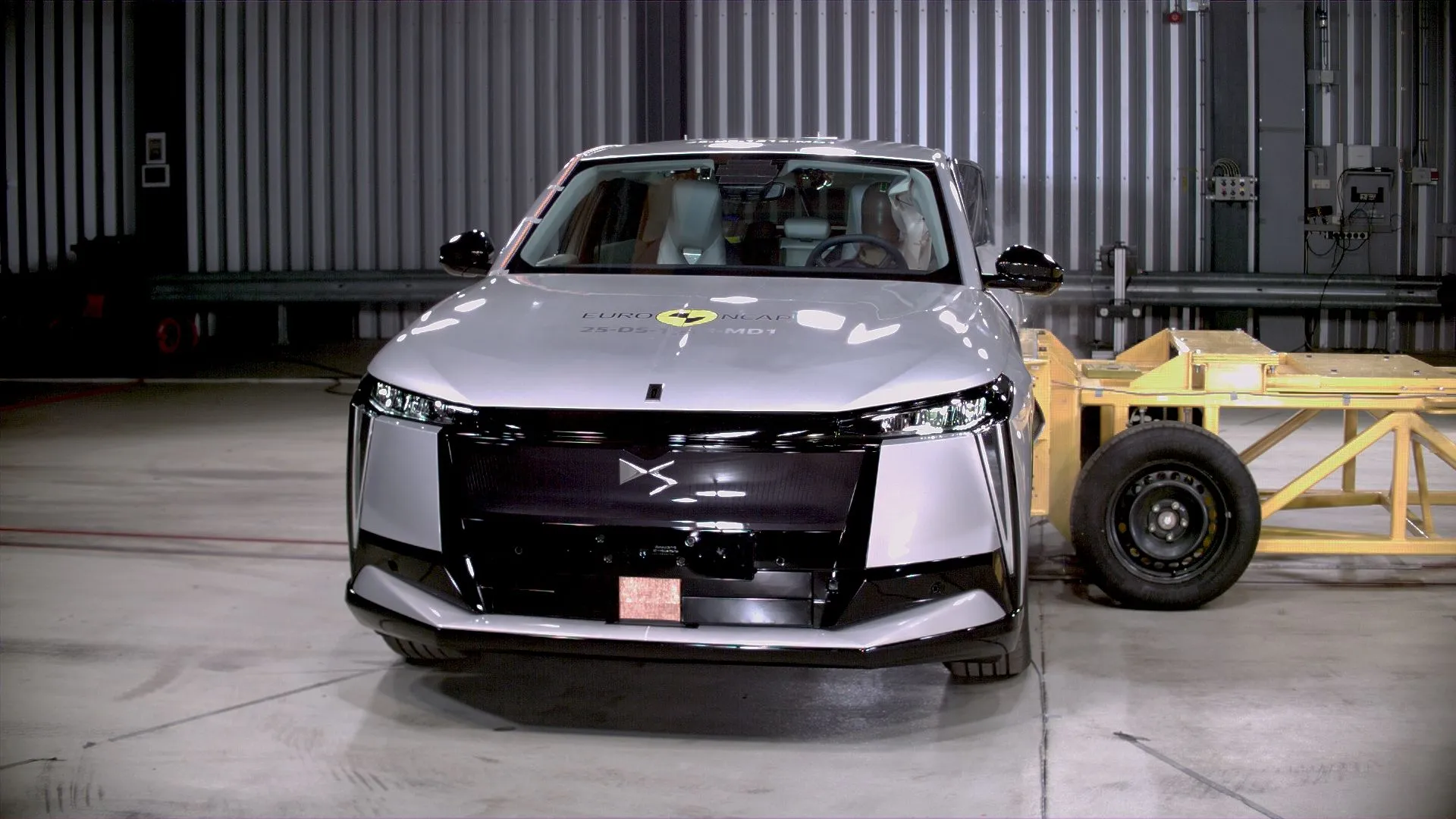
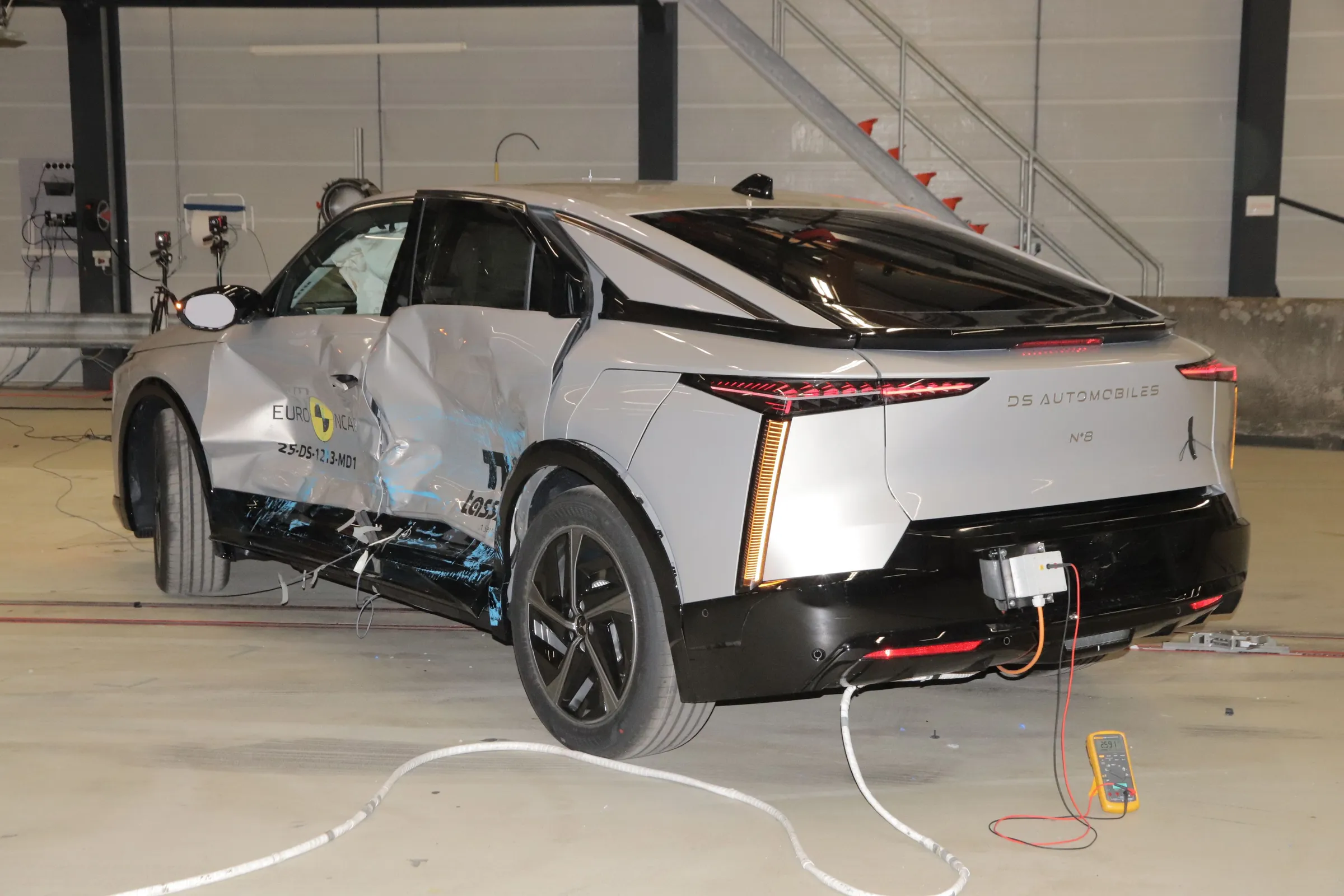
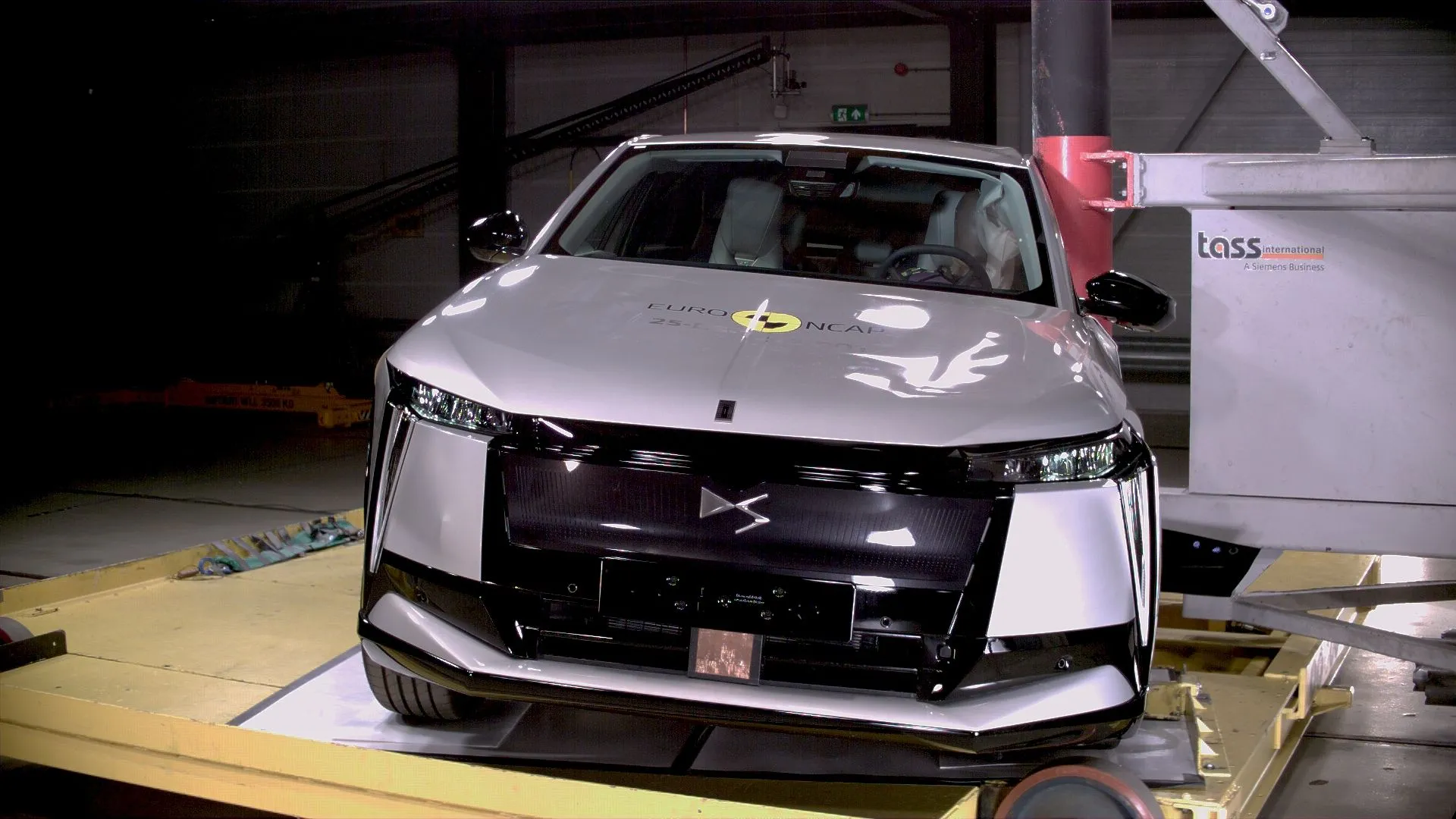
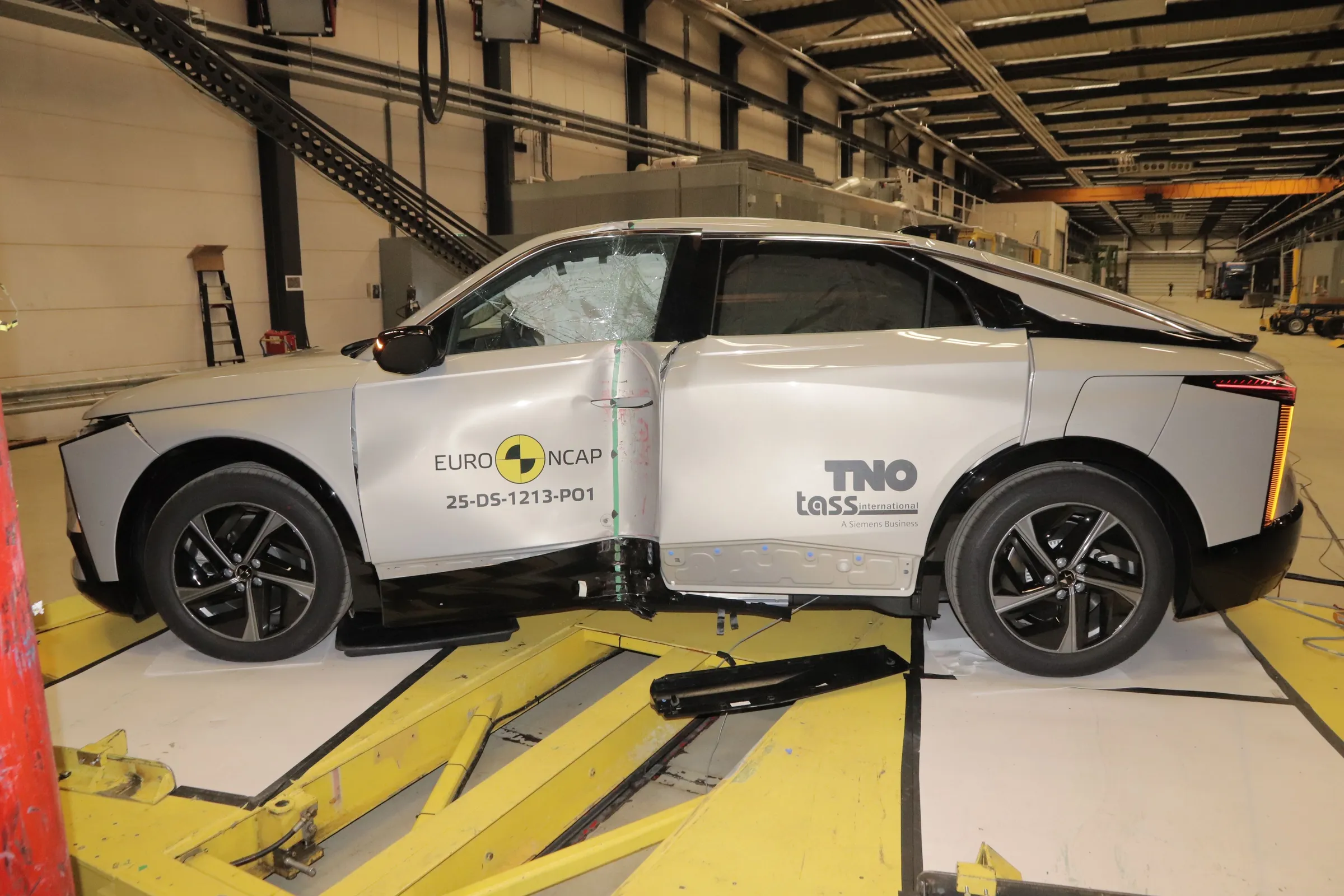


| Mobile Progressive Deformable Barrier | Full Width Rigid Barrier | |
|---|---|---|
 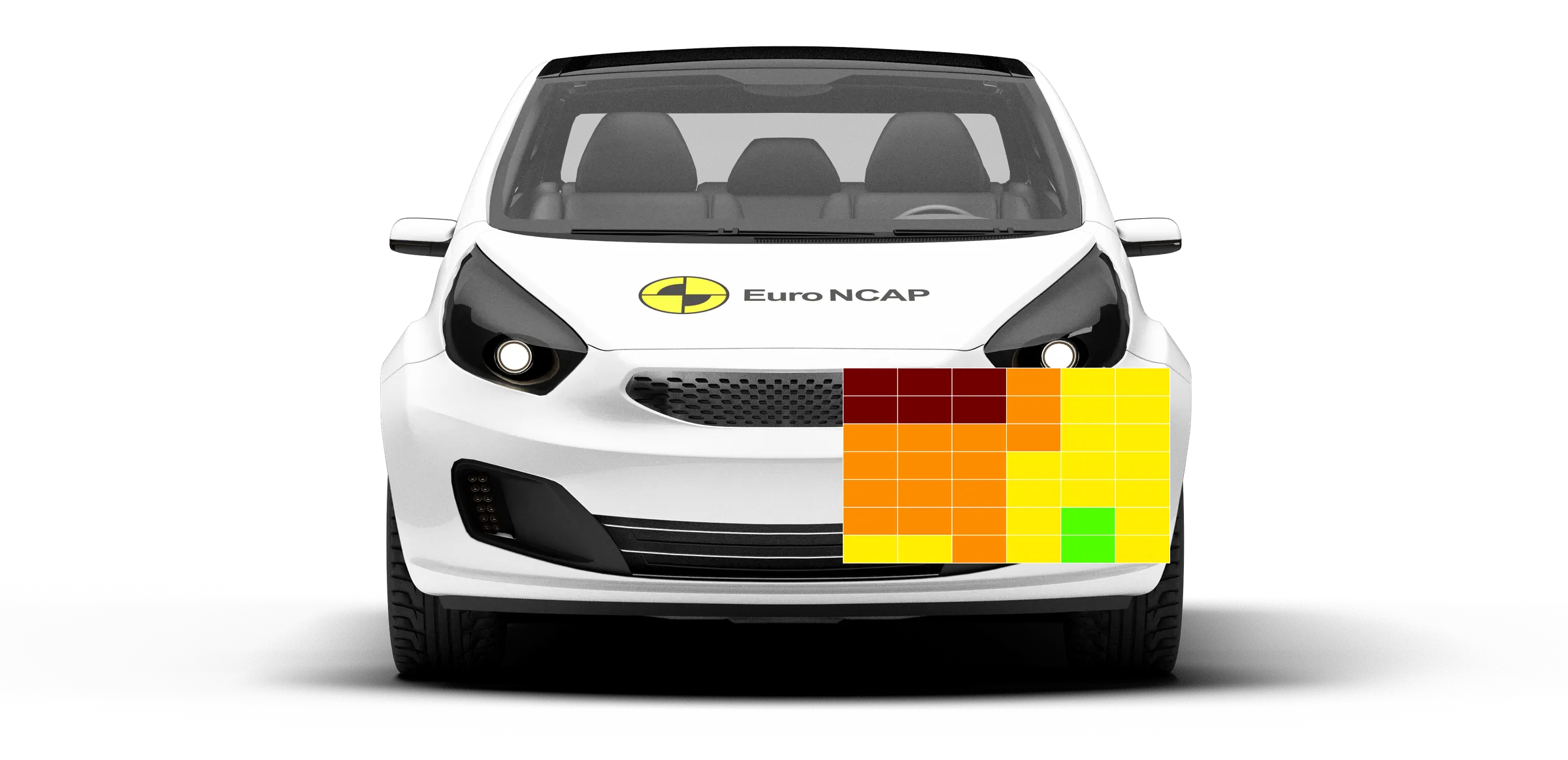 |  | |
| Side Mobile Barrier | Side Pole |
|---|---|
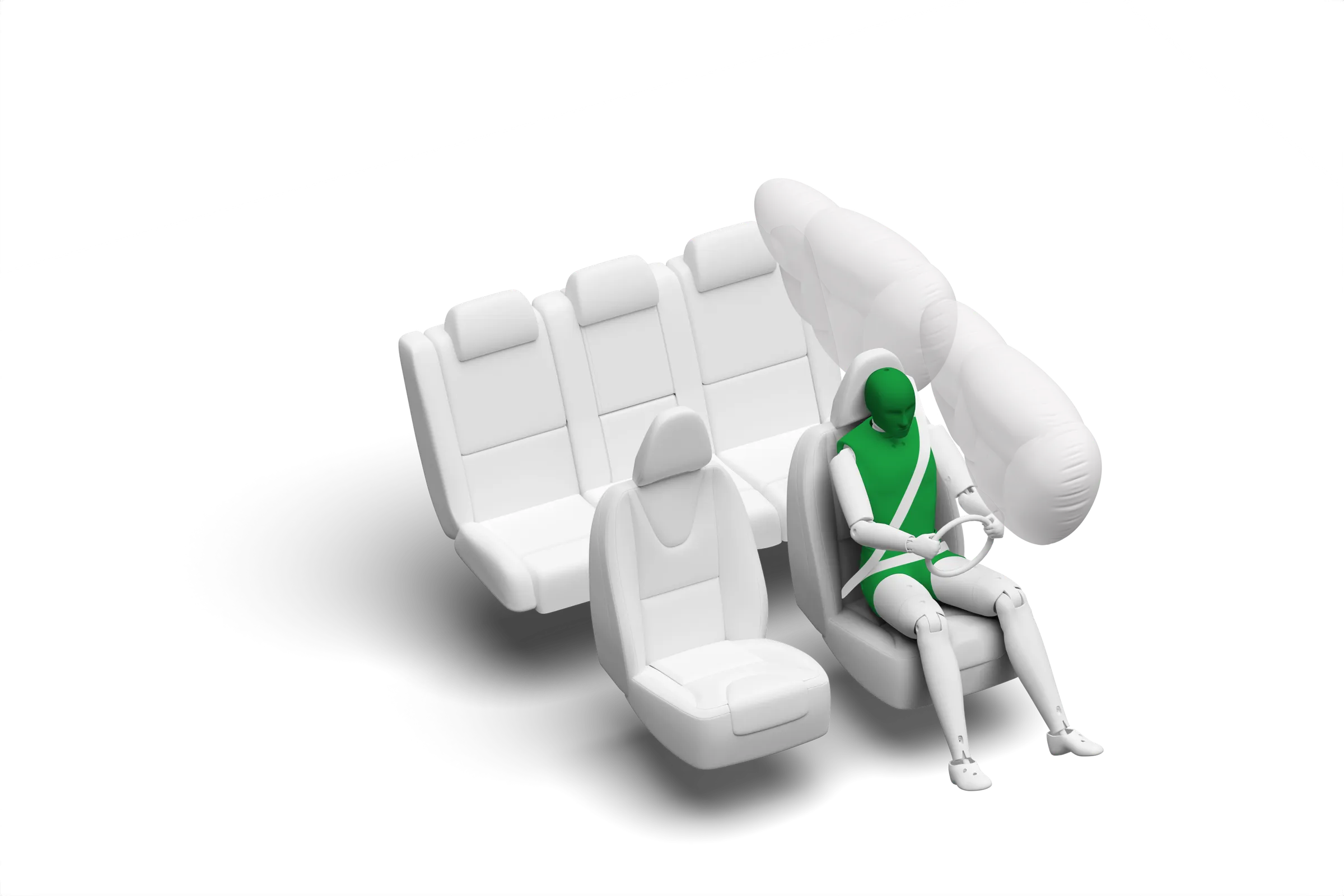 | 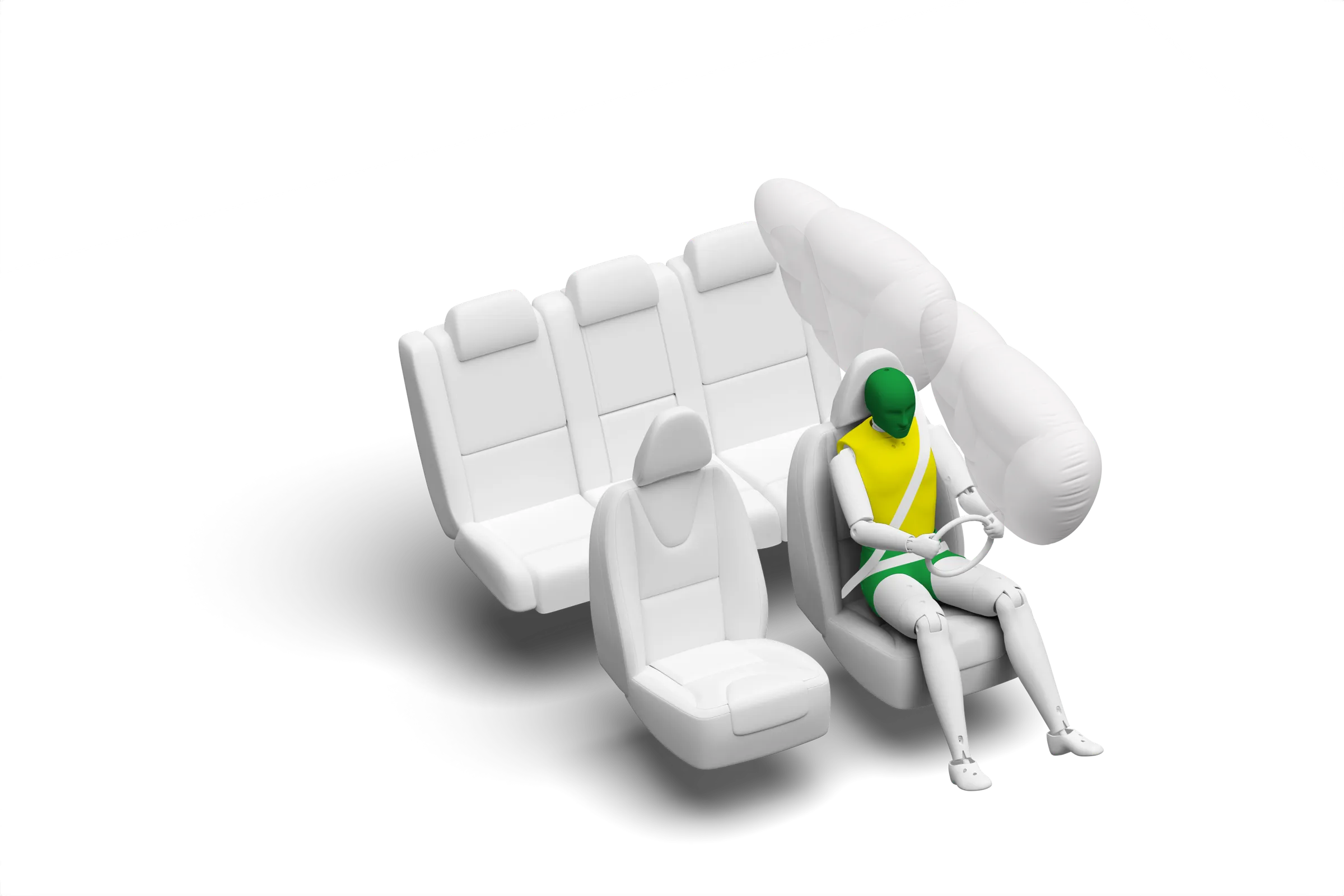 |
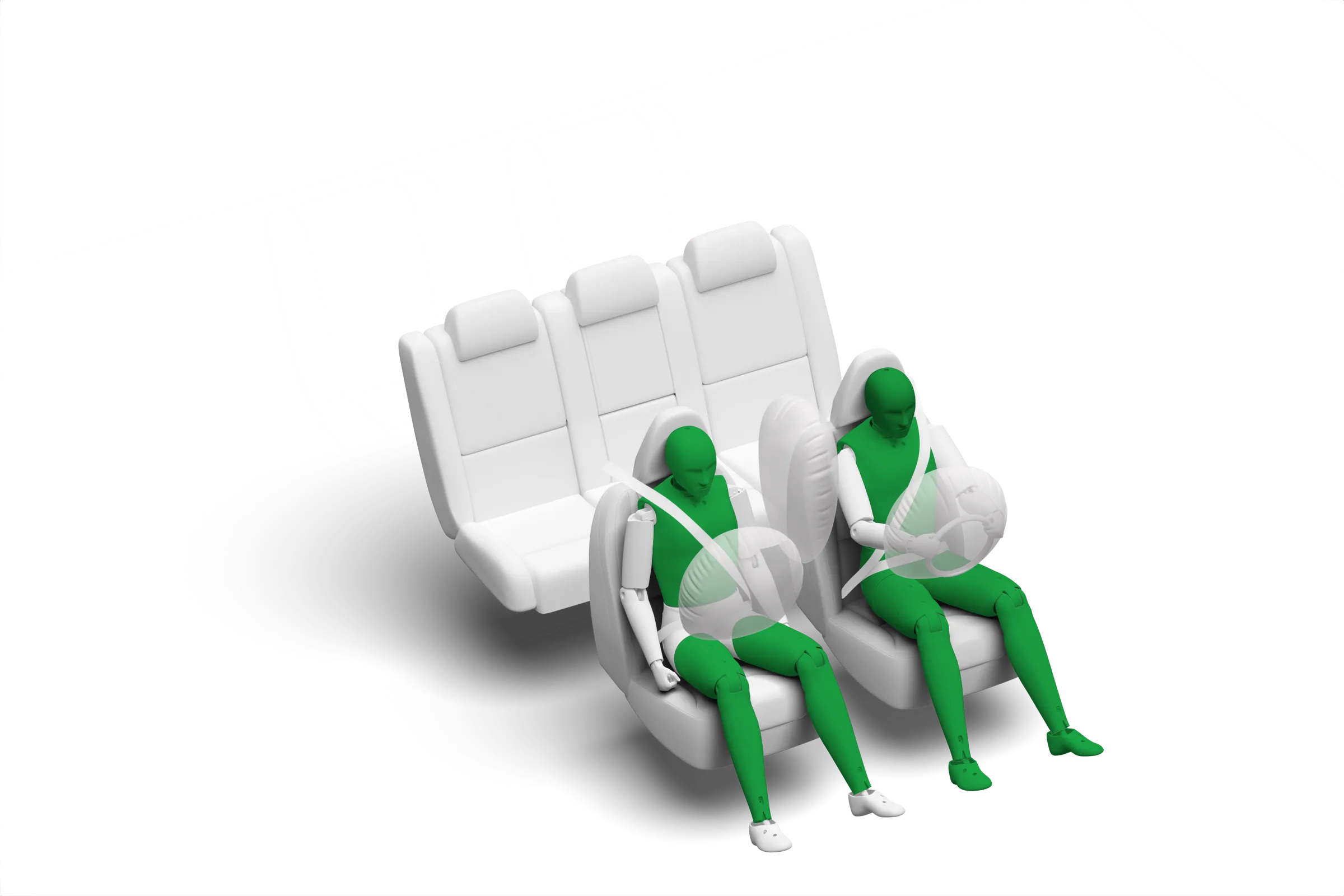
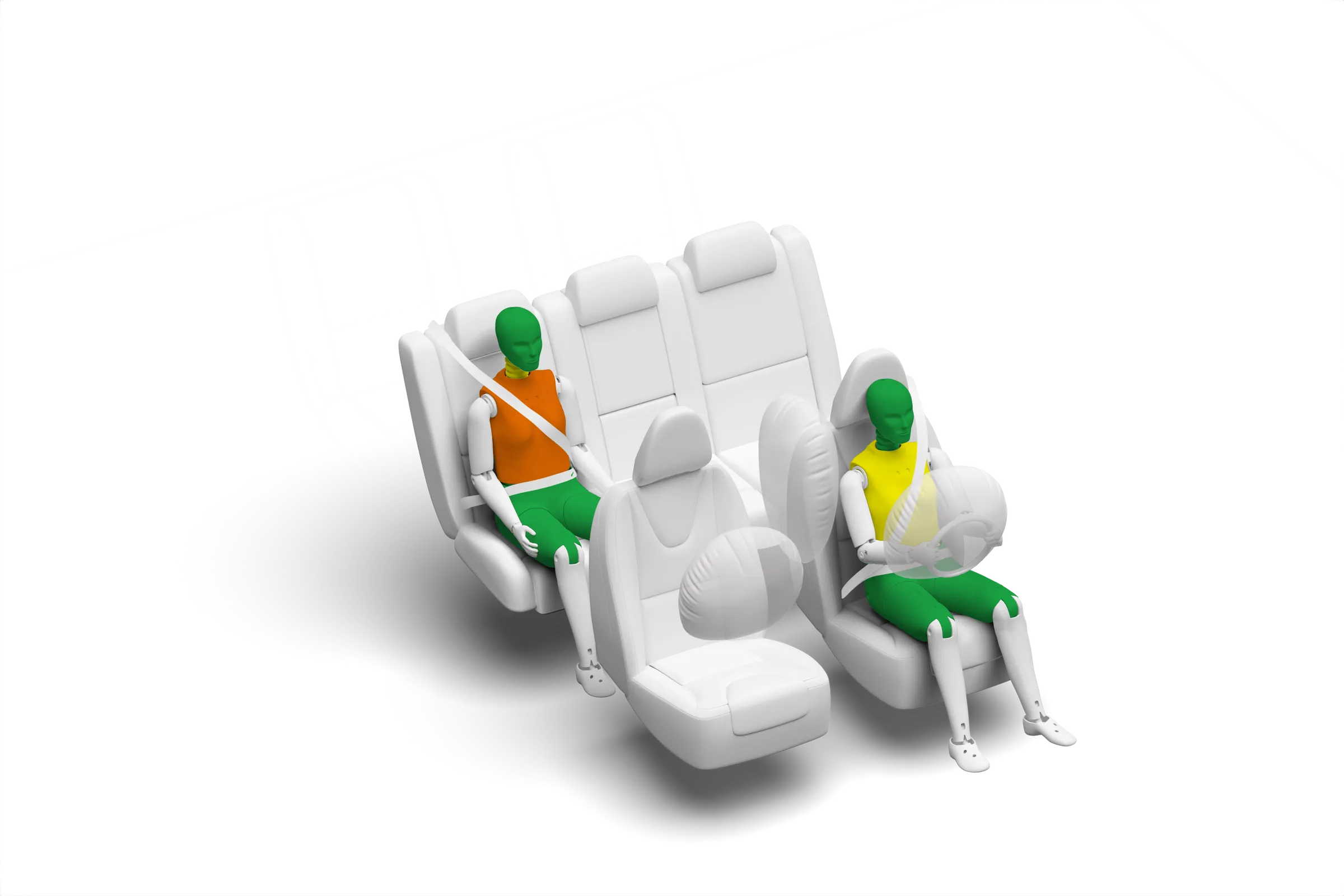
| Far-Side Excursion | Occupant Interaction |
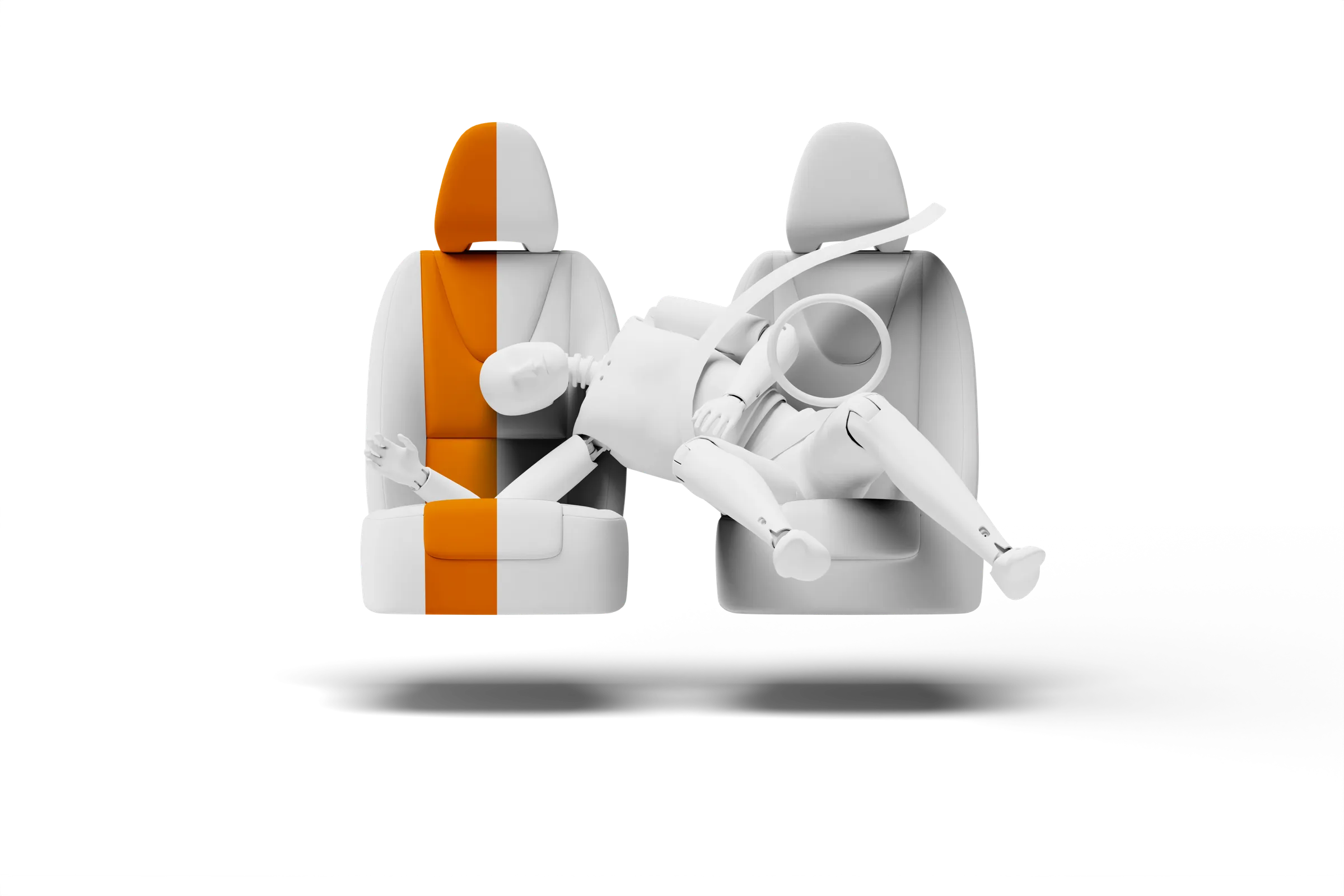 | 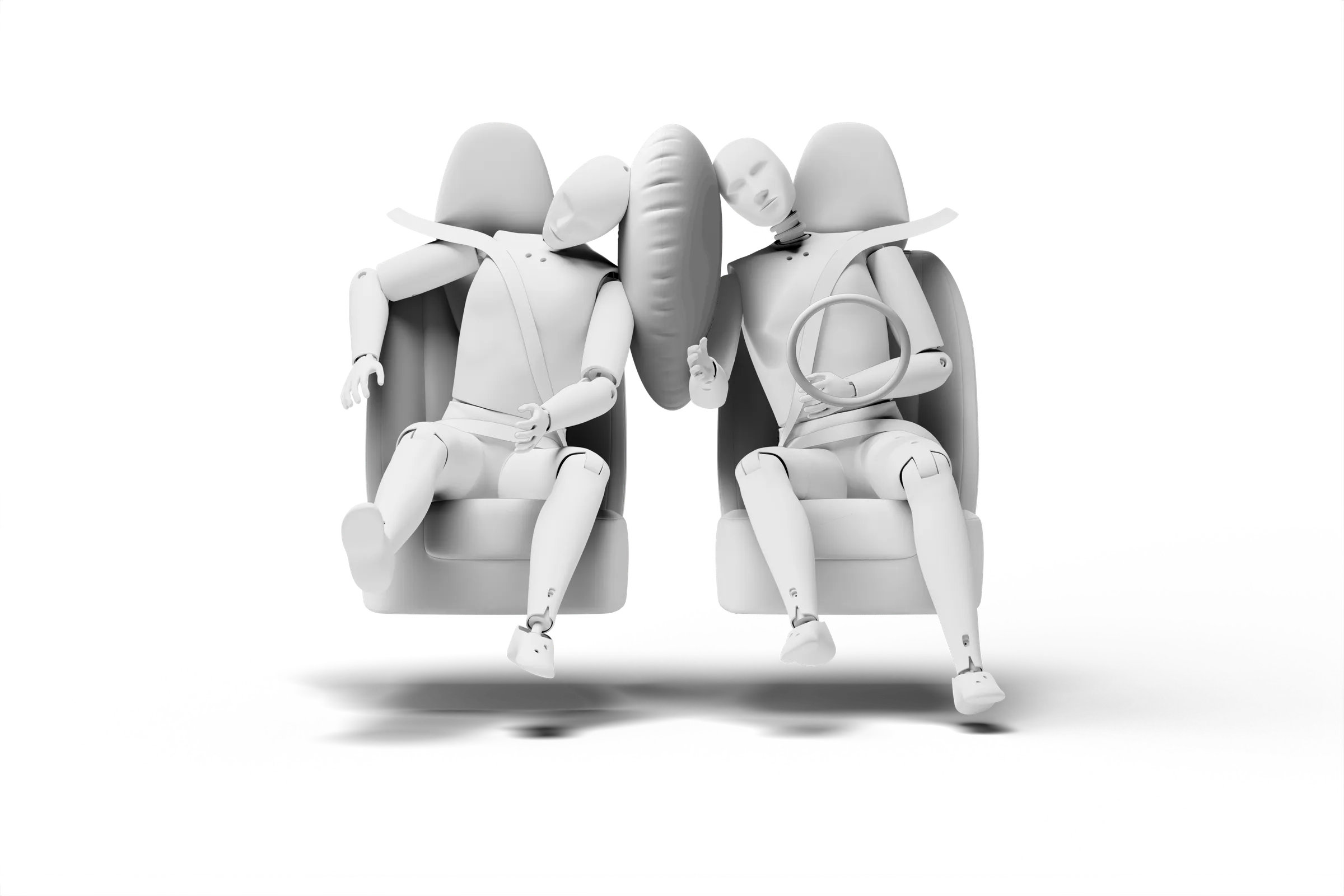 |
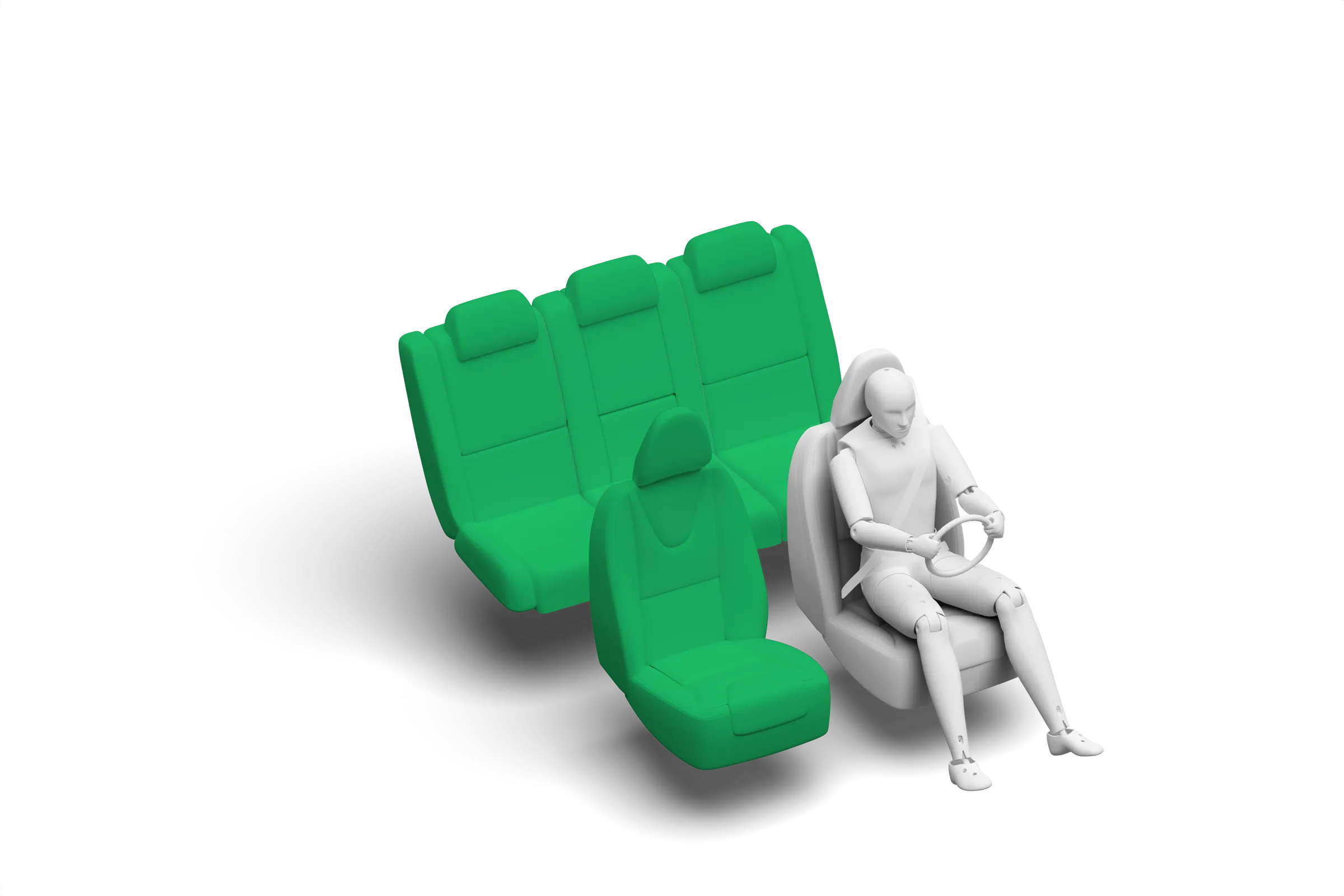
| Rear Seat | Front Seat |
|---|---|
 |  |

Frontal Impact - 16 Pts | Lateral Impact - 8 Pts |
|---|---|
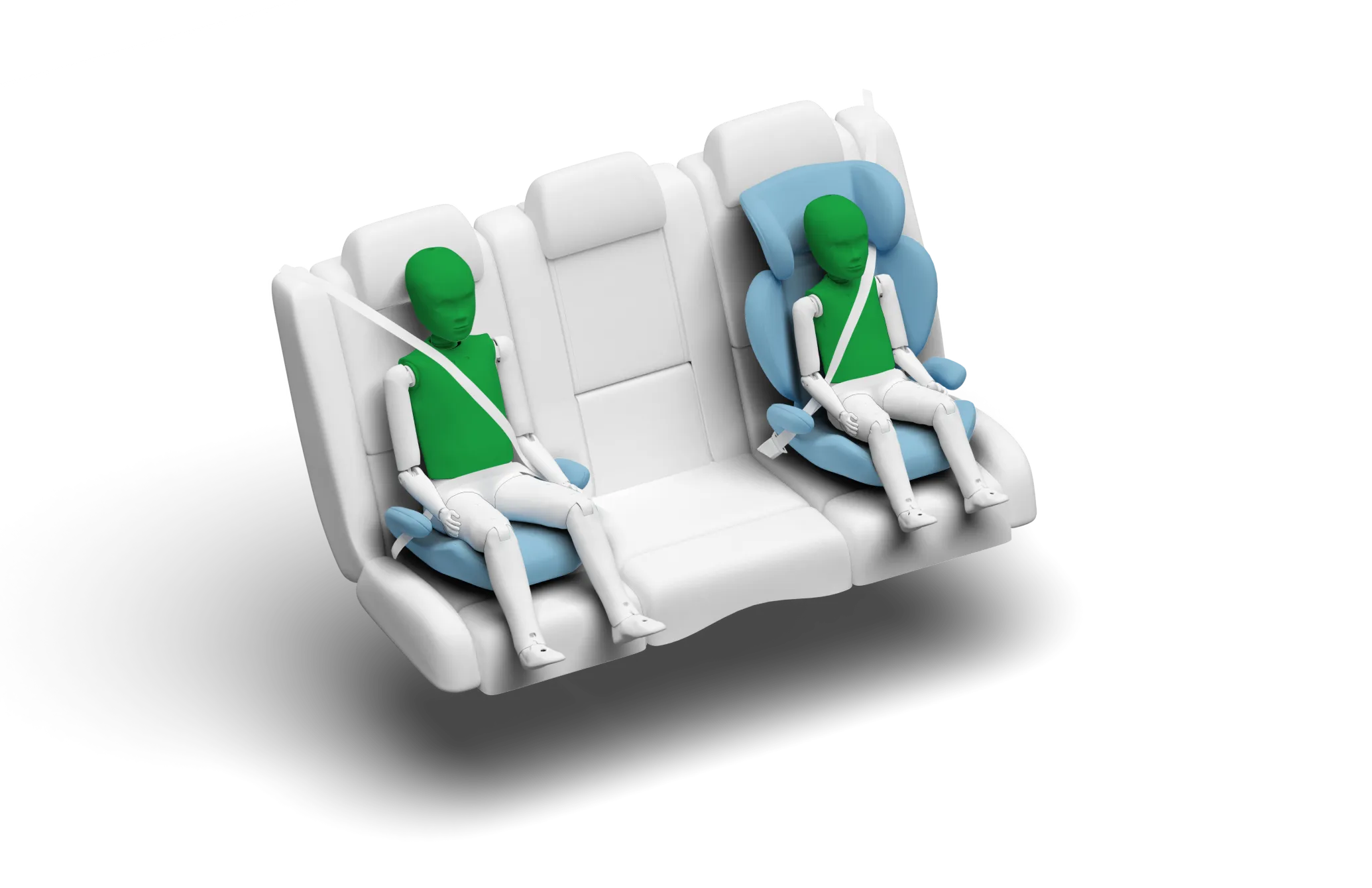 Restraint for 6 year old child: Restraint for 10 year old child: | 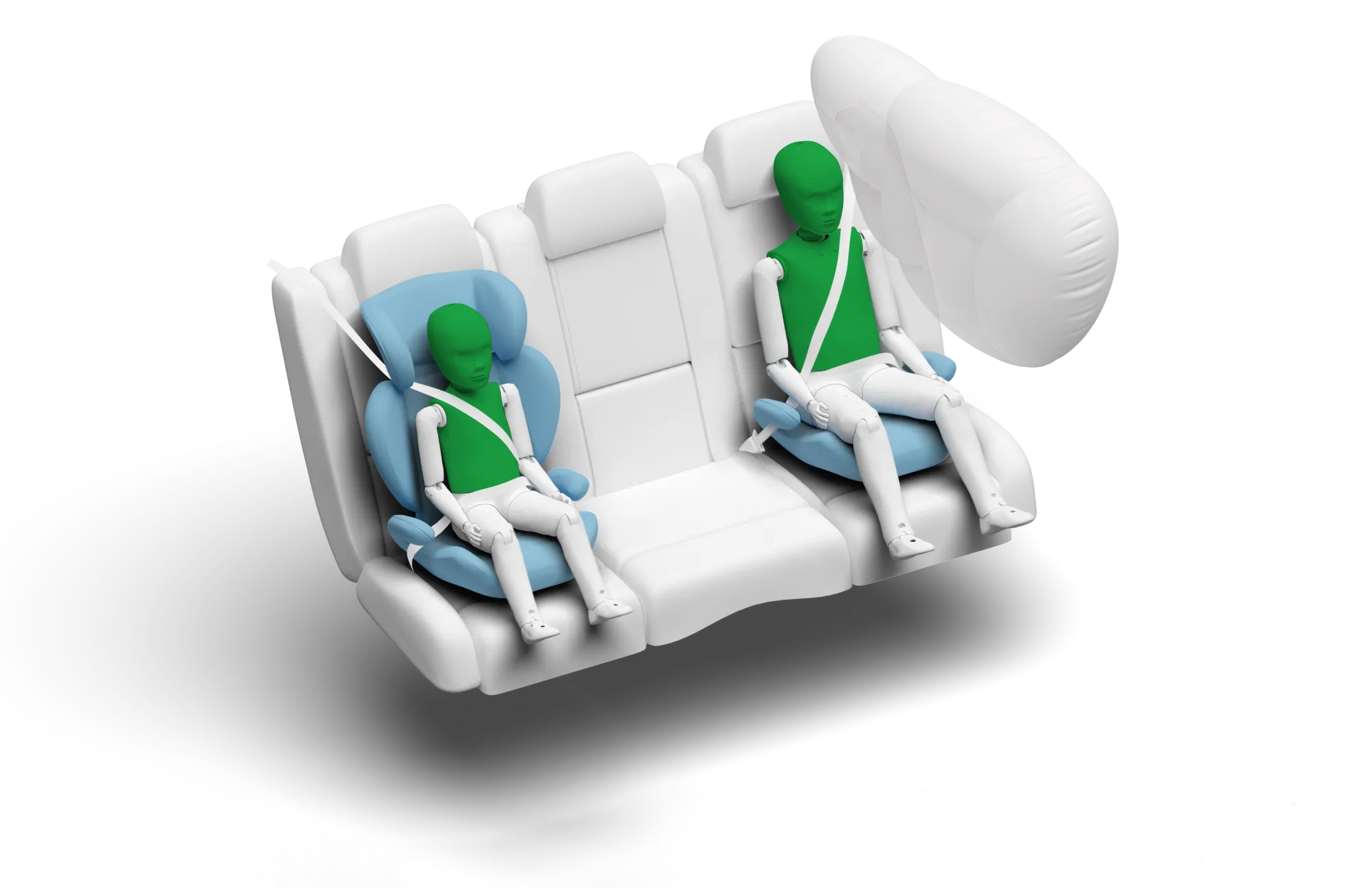 Restraint for 6 year old child: Restraint for 10 year old child: |
Equipment | Front passenger | Row 2 outboard | Row 2 center | Row 3 outboard |
Isofix |  |  | |  |
i-Size | | | | |
Top tether | | | | |
Integrated CRS | | | | |
Child Presence Detection | | | | |
| i-Size | Isofix |
|---|---|
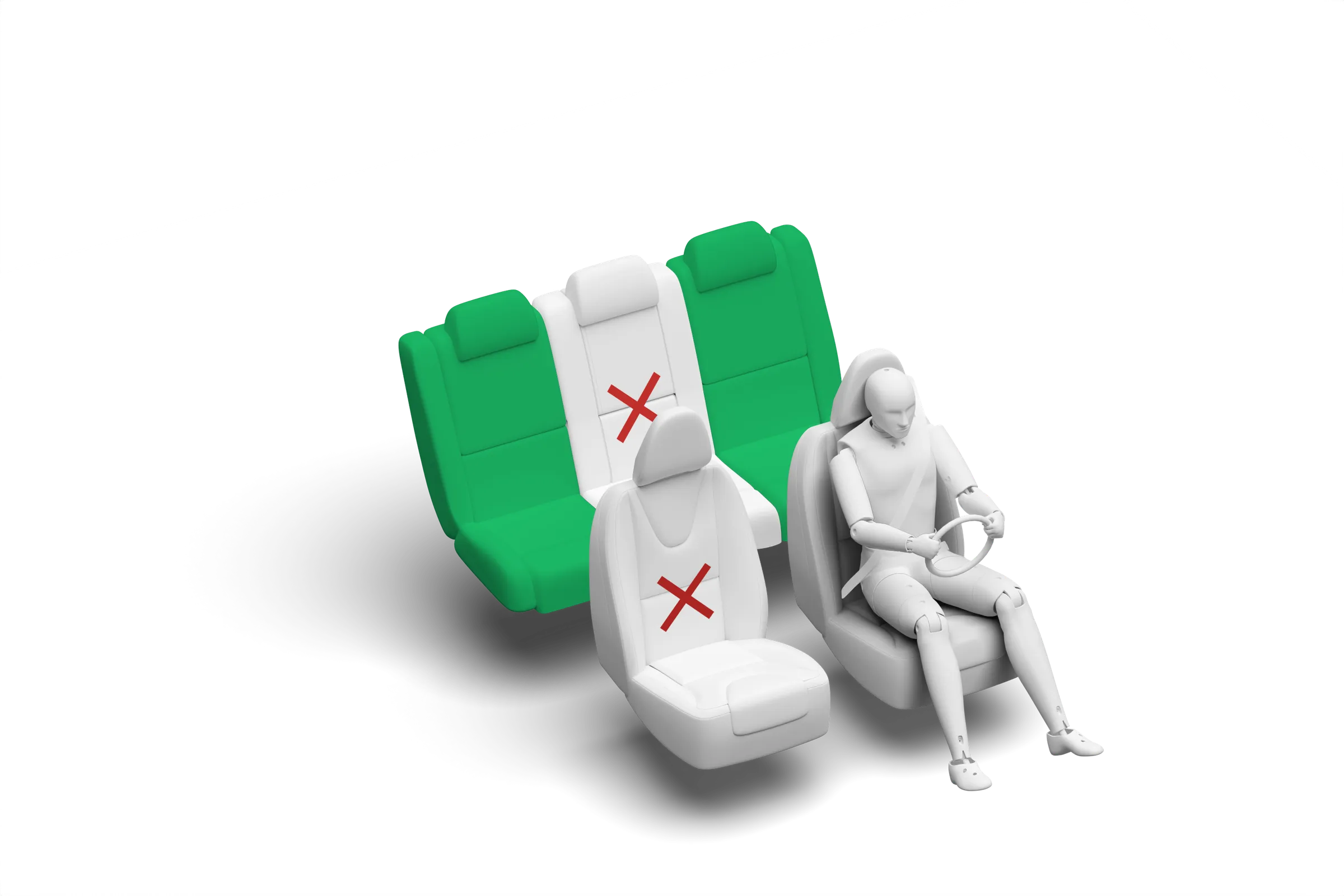 | 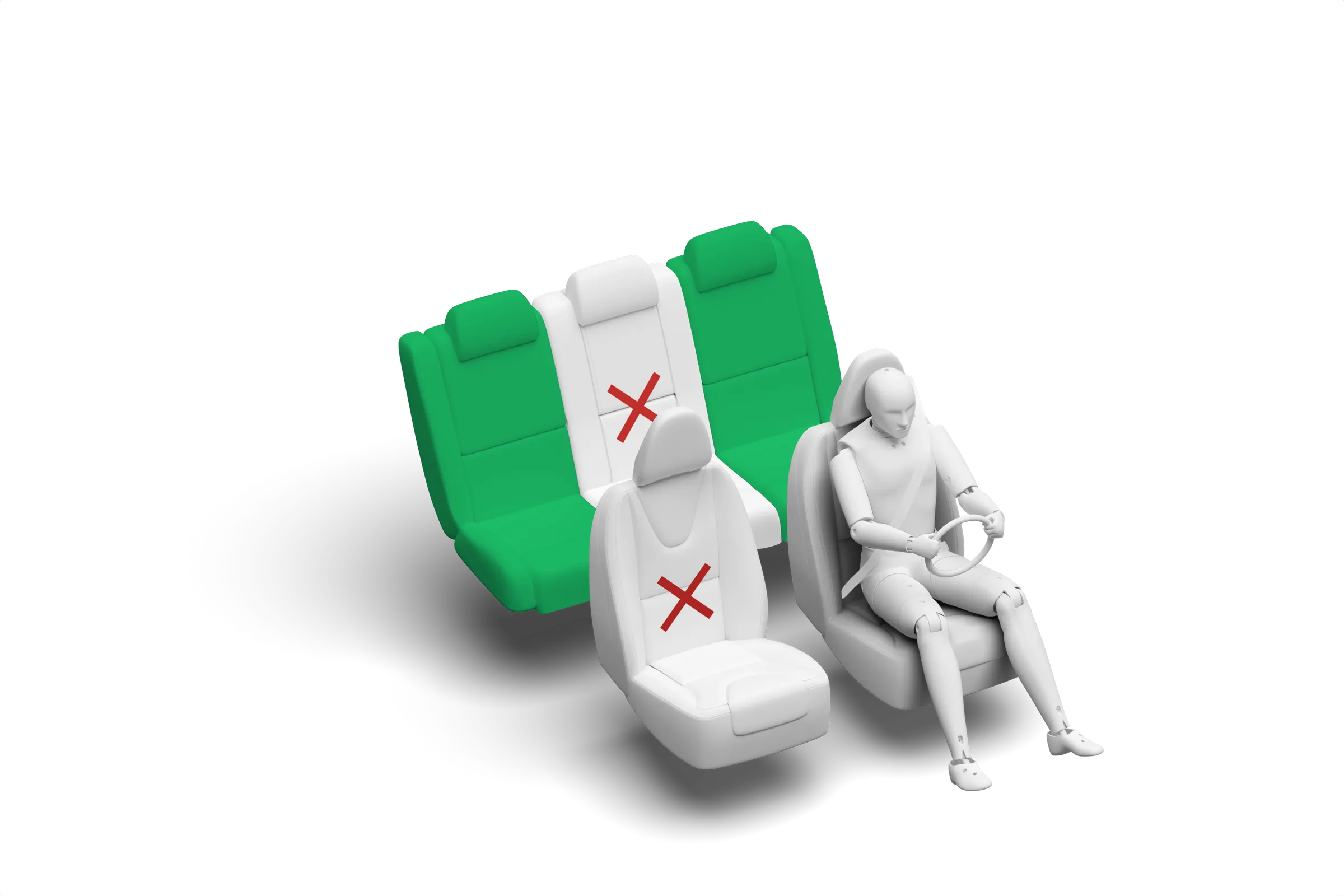 |
| Seatbelt Attached | Legend |
 |      |
|
System Name | Active Safety Brake | |
Type | Auto-Brake with Forward Collision Warning | |
Operational From | 8 km/h | |
Scenario | Day time | Night time |
Car reversing into adult or child |  |  |
Adult crossing a road into which a car is turning | | |
Adult crossing the road | | |
Child running from behind parked vehicles | | |
Adult along the roadside | | |
Scenario | Day time |
Approaching cyclist crossing from behind parked vehicles | |
Turning across path of an oncoming cyclist | |
Approaching a crossing cyclist | |
Approaching a cyclist along the roadside | |
Scenario | Day time |
Dooring a passing cyclist |  |
Scenario | Autobrake function only | Driver reacts to warning |
Approaching a stationary motorcyclist | | |
Approaching a braking motorcyclist | | |
Turn across the path of an oncoming motorcyclist | | |
Scenario | Day time |
Changing lane across the path of an oncoming motorcyclist | |
Changing lane across the path of an overtaking motorcyclist | |
System Name | Speed limiter with Speed limit recognition |
Speed Limit Info Function | Camera & Map, subsigns supported |
Speed Control Function | Intelligent ACC (accurate to 5km/h) |
Warning | Driver Seat | Front Passenger(s) | Rear Passenger(s) |
Visual | | | |
Audible | | | |
Occupant Detection | | | |
System Name | Driver Attention Assist |
Type | Indirect monitoring |
Operational From | 10km/h |
Fatigue | Drowsiness |
Distraction | |
System Name | Lane departure warning and Lane keeping assist |
System Type | LKA and ELK |
Min Speed (Operational From) | 65km/h |
Performance | |
Emergency Lane Keeping | |
Lane Keep Assist | |
Human Machine Interface | |
System Name | Active Safety Brake |
Type | Autonomous emergency braking and forward collision warning |
Operational From | 8 km/h |
Sensor Used | Camera and radar |
Scenario | Autobrake function only | Driver reacts to warning |
Approaching a car crossing a junction | | |
Approaching a car head-on | | |
Turning across the path of an oncoming car | | |
Approaching a stationary car | | |
Approaching a slower moving car | | |
Approaching a braking car | | |
Driver | Passenger | Rear | |
Front Airbag | | | |
Belt Pretensioner | | | |
Belt Loadlimiter | | | |
Knee Airbag | | | |
Driver | Passenger | Rear | |
Side Head Airbag | | | |
Side Chest Airbag | | | |
Side Pelvis Airbag | | | |
Centre Airbag | | | |
Passenger | Rear | |
Isofix | | |
i-Size | | |
Integrated Child Seat | | |
Airbag Cut-Off Switch | | |
Child Presence Detection | | |
Driver | Passenger | Rear | |
Seatbelt Reminder | | | |
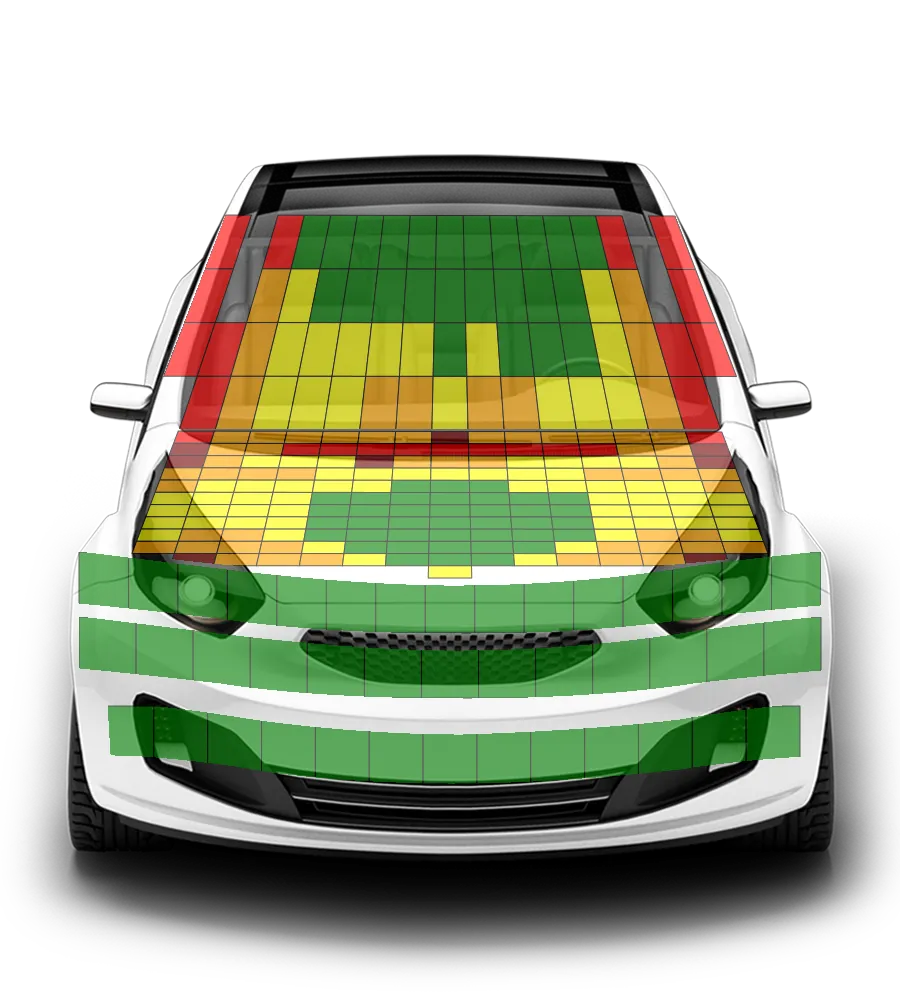
Active bonnet | |
AEB vulnerable road users | |
AEB pedestrian - reverse | |
Cyclist dooring prevention | |
AEB motorcyclist | |
AEB car-to-car | |
Speed assistance | |
Lane assist system | |
Fatigue detection | |
Distraction detection | |
Note: other equipment may be available on the vehicle but was not considered in the test year


Date | Event | Rating | Validity |
|---|---|---|---|
2026-05-20 | Rating Published | |
Body type | Variant description | Drivetrain | Rating applies LHD | Rating applies RHD |
|---|---|---|---|---|
5 door SUV | Electric - Long Range 97kWh 350 AWD | 4x4 | | |
5 door SUV | Electric - Long Range 97kWh 245 FWD | 4x2 | | |
5 door SUV | Hybrid 145 ch | 4x2 | | |
5 door SUV | Electric - 73kWh 230 FWD* | 4x2 | | |


